Latest Article
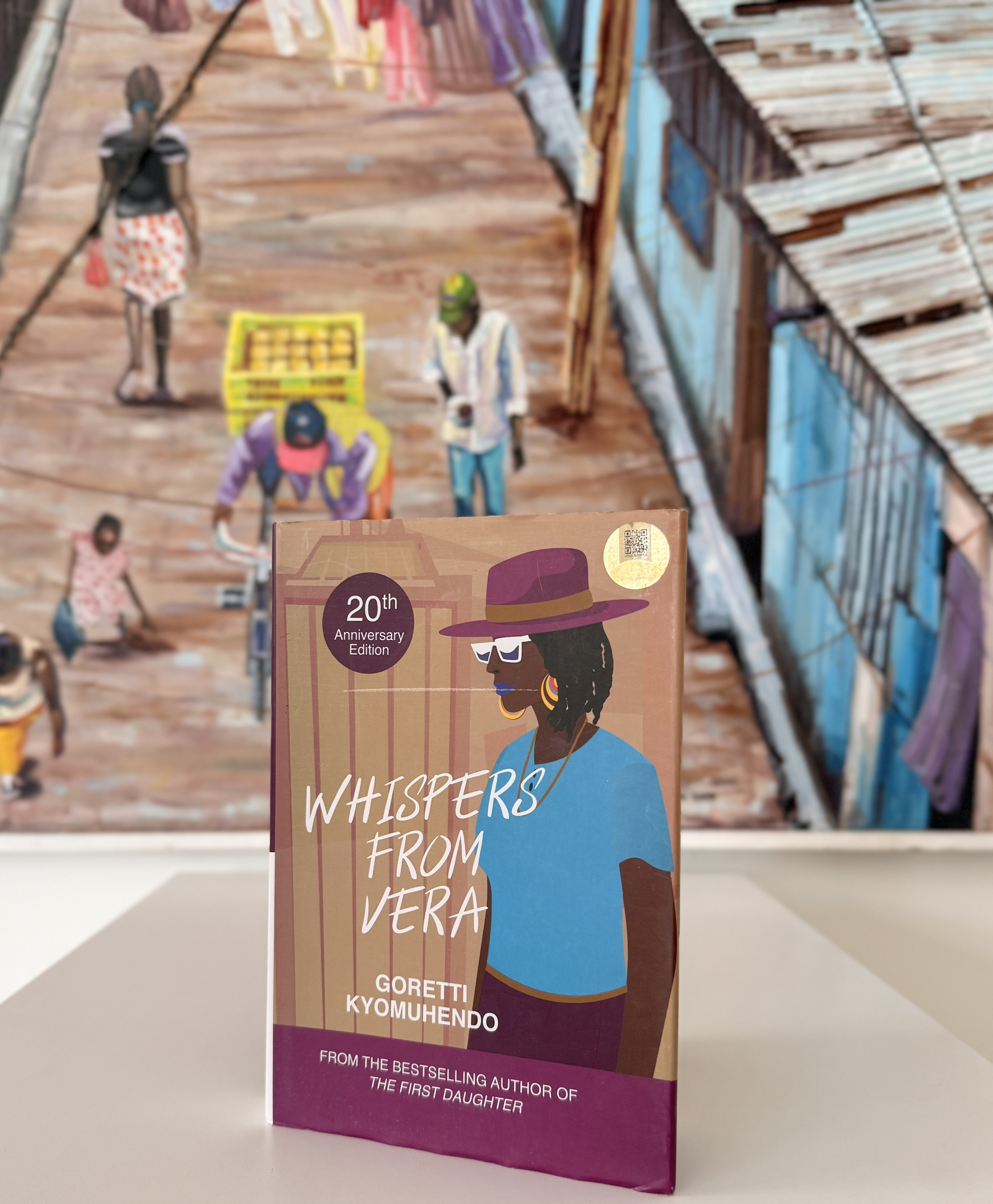
From Kampala, the twists and tales of modern womanhood
Vera’s life takes an unexpected turn when she meets Eric, a polished, seemingly successful corporate executive who embodies everything she has been taught to hope for. Their romance, laced with charm and optimism, offers Vera a glimpse into the future she has long imagined: a stable partnership, a home, and the promise of the life she believes she deserves. Yet, as Kyomuhendo reveals, appearances can be deceptive. Eric is guarding a secret of immense consequence, one that threatens to upend Vera’s plans and challenges her understanding of what she truly wants.
Filter
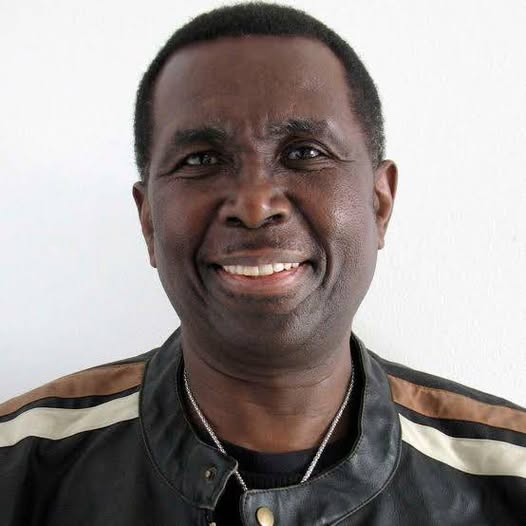
Beyond Kenya, Meja Mwangi carried African storytelling into global conversations, winning international recognition while remaining rooted in local realities. Even when he lived and worked abroad, his imagination never left home. Kenya was always the beating heart of his work. For generations of readers, writers, journalists and students, Mwangi offered permission: permission to write boldly, to centre the margins, to resist romanticising struggle, and to tell African stories without apology or translation.

This raw, urgent poem is a confessional plunge into the fractured mind of a man drowning in guilt, poverty, lust and alcohol. Caught between the consequences of infidelity, the threat of disease, rising domestic tensions, a failing job and overwhelming shame, he turns repeatedly to the bottle as his only supposed source of courage, clarity and escape.

This raw, urgent poem is a confessional plunge into the fractured mind of a man drowning in guilt, poverty, lust and alcohol. Caught between the consequences of infidelity, the threat of disease, rising domestic tensions, a failing job and overwhelming shame, he turns repeatedly to the bottle as his only supposed source of courage, clarity and escape. Through a voice that is both tragic and darkly comic, the poem exposes the contradictions of a man who wants to “eat life full-tilt” while spiralling under the weight of his choices. It is an unfiltered portrait of urban struggle—a man wrestling with sexual recklessness, fear of AIDS, marital pressures, intrusive in-laws, financial strain, and the gnawing desire to feel powerful again. Visceral, satirical and painfully honest, this work lays bare the psychology of a man running from responsibility but haunted by every consequence. It is a portrait of survival, masculinity, and the dangerous solace of the bottle.
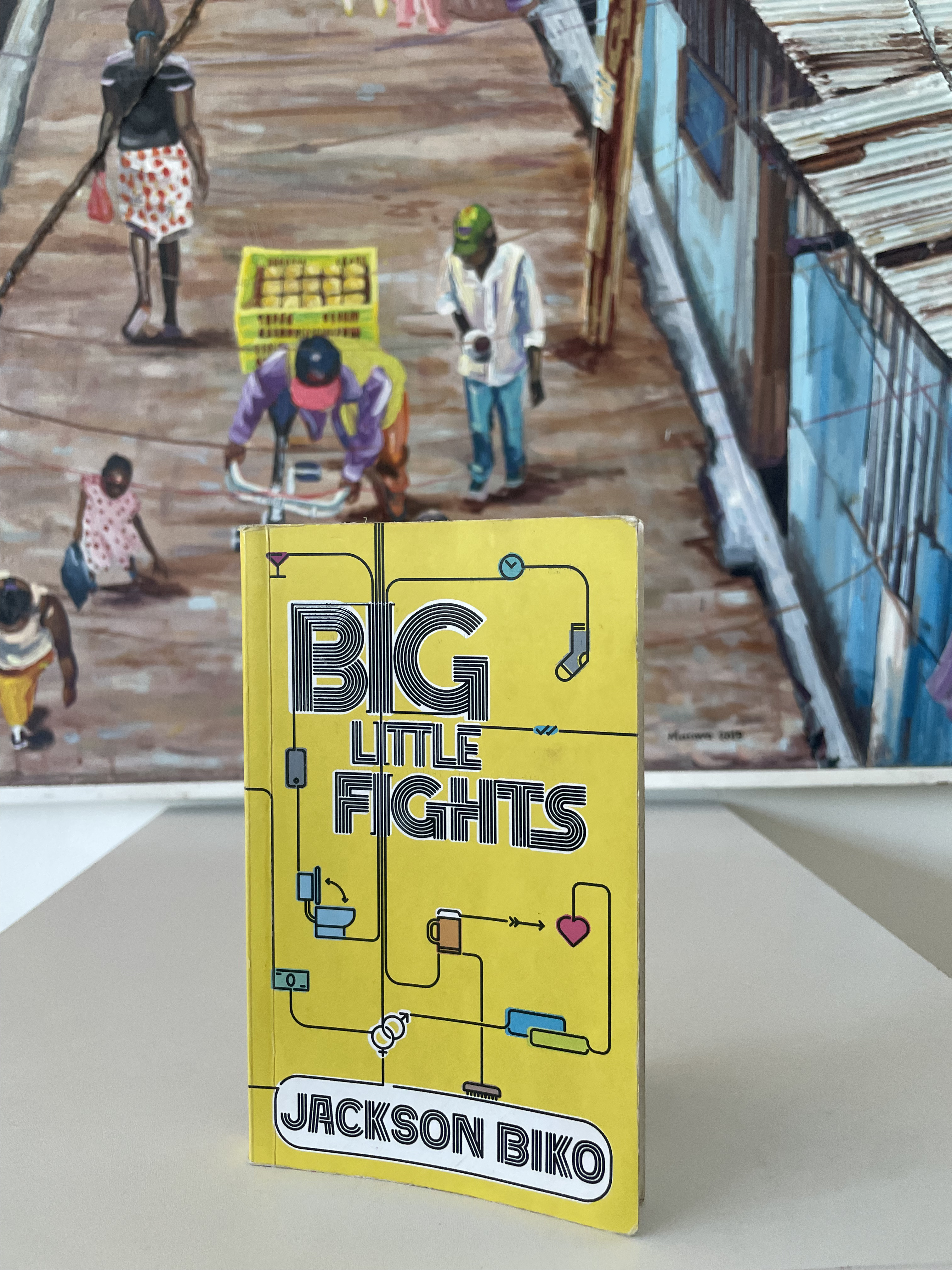
Love, as Biko shows, is messy, hilarious, frustrating, and endlessly fascinating. In a world obsessed with perfection, he reminds us that it is the small, everyday “big little fights” that reveal our priorities, insecurities, and capacity for empathy. And, if we pay attention, these tiny conflicts can teach us how to love better.
Cultural and generational tensions also permeate the book. Traditional frameworks of marriage—rooted in obedience, domesticity, and defined gender roles—clash with contemporary values of equality, independence, and self-expression. Biko demonstrates how these tensions play out in everyday disagreements, illustrating the broader societal shifts influencing modern love.