
Latest Article
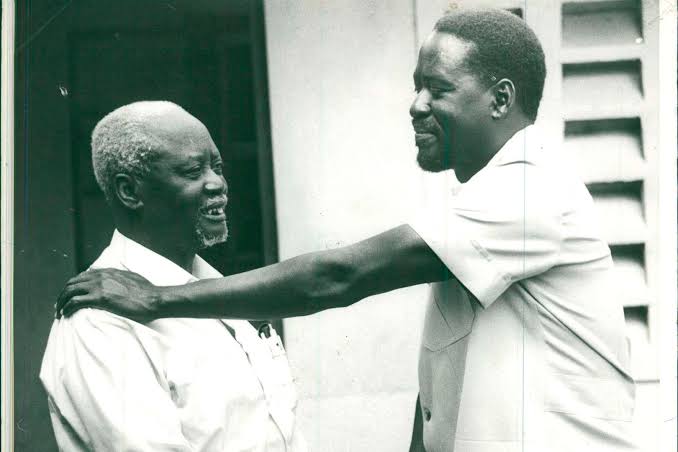
Baba, while you are away: the songs, struggles and contradictions of Raila Odinga
In death, Raila was accorded a state funeral, and the country watched as a man who had spent decades seeking the presidency received the ceremonial honours of a former national leader. The symbolism was striking. He never became president, yet his death occasioned the rituals, public mourning and national attention usually reserved for figures who had occupied the highest office.
Filter

The CS Interior had termed the exercise an internal affair, which was still at a premature stage, and claimed that bringing the matter to light would only help fan flames of malevolence from the rest of Kenyans.

In a region where loss, resilience, and survival are tightly interwoven, stories such as Rough Silk carry a particular weight. They speak not only to personal journeys, but to collective histories shaped by adversity.
The United Nations Office of the High Commissioner for Human Rights claimed it had received preliminary information from an anonymous witness that the Kenya Defence Forces were, for several weeks, on the offensive towards civilian locals in El Adde before the massacre.
The United Nations Office of the High Commissioner for Human Rights claimed it had received preliminary information from an anonymous witness that the Kenya Defence Forces were, for several weeks, on the offensive towards civilian locals in El Adde before the massacre.
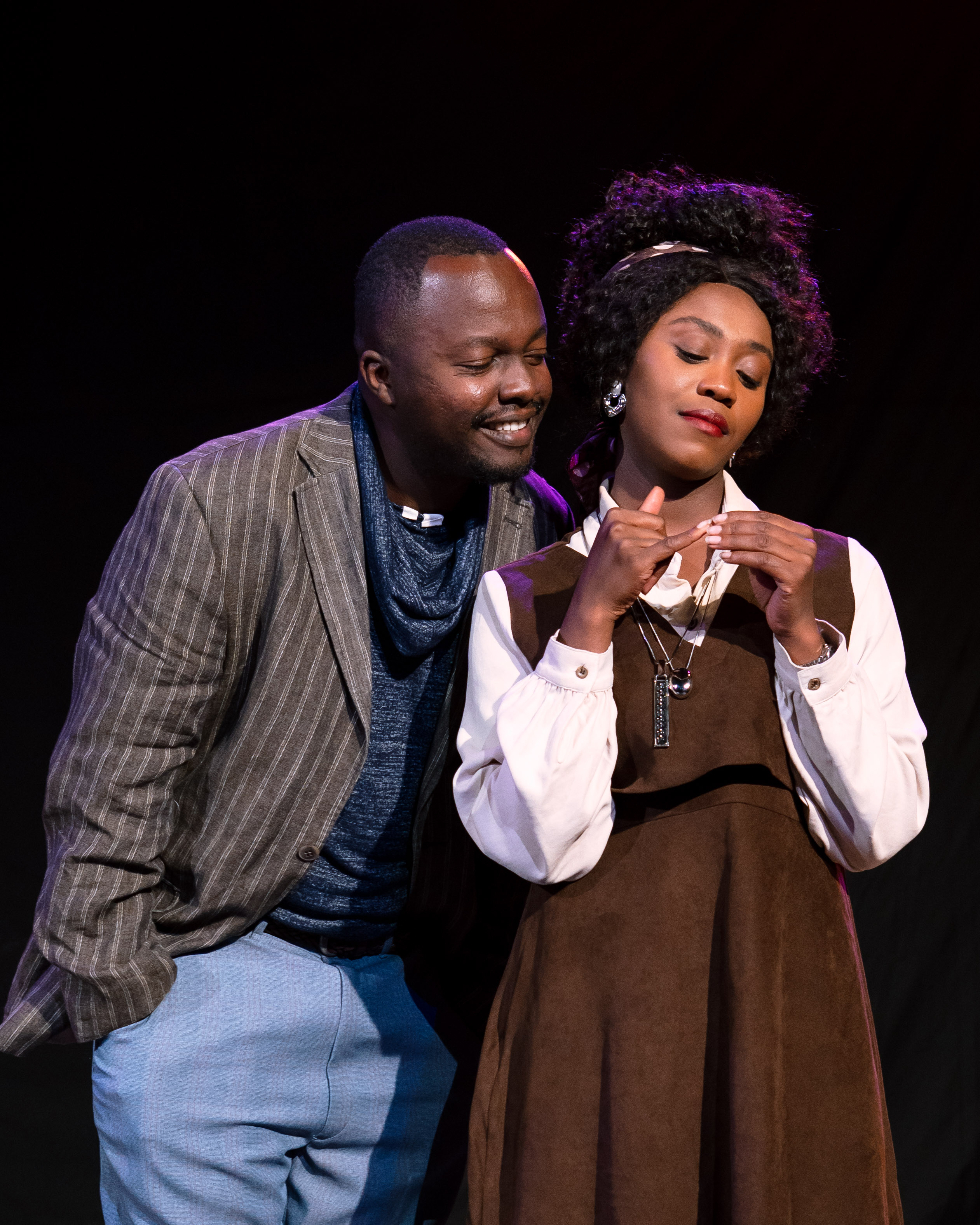
Published barely eleven years after Kenya’s independence, the novel entered a society that was undergoing rapid transformation. Women were beginning to occupy offices, secretarial pools, and professional spaces in greater numbers. Yet with that entry into the workforce came complicated negotiations of power—between ambition and vulnerability, between economic independence and social expectation.

Bill Odhiambo is a survivor of the 2016 military massacre in El Adde, which wiped out over a hundred Kenyan soldiers and left him crippled. Ostracised from the public by the Miles’ regime and forced to lead a quiet life in Busia Town, Bill suffers from post-traumatic stress disorder, constantly blaming himself for what took place in Somalia. He desires to reveal the faces and truth behind the bloodbath and find justice for himself and his fellow fallen soldiers. The UN’s claim that a survivor is under constraints by the Kenyan government breathes new life into the saga.
