

Love, Chaos, and the Universality of Human Relationships
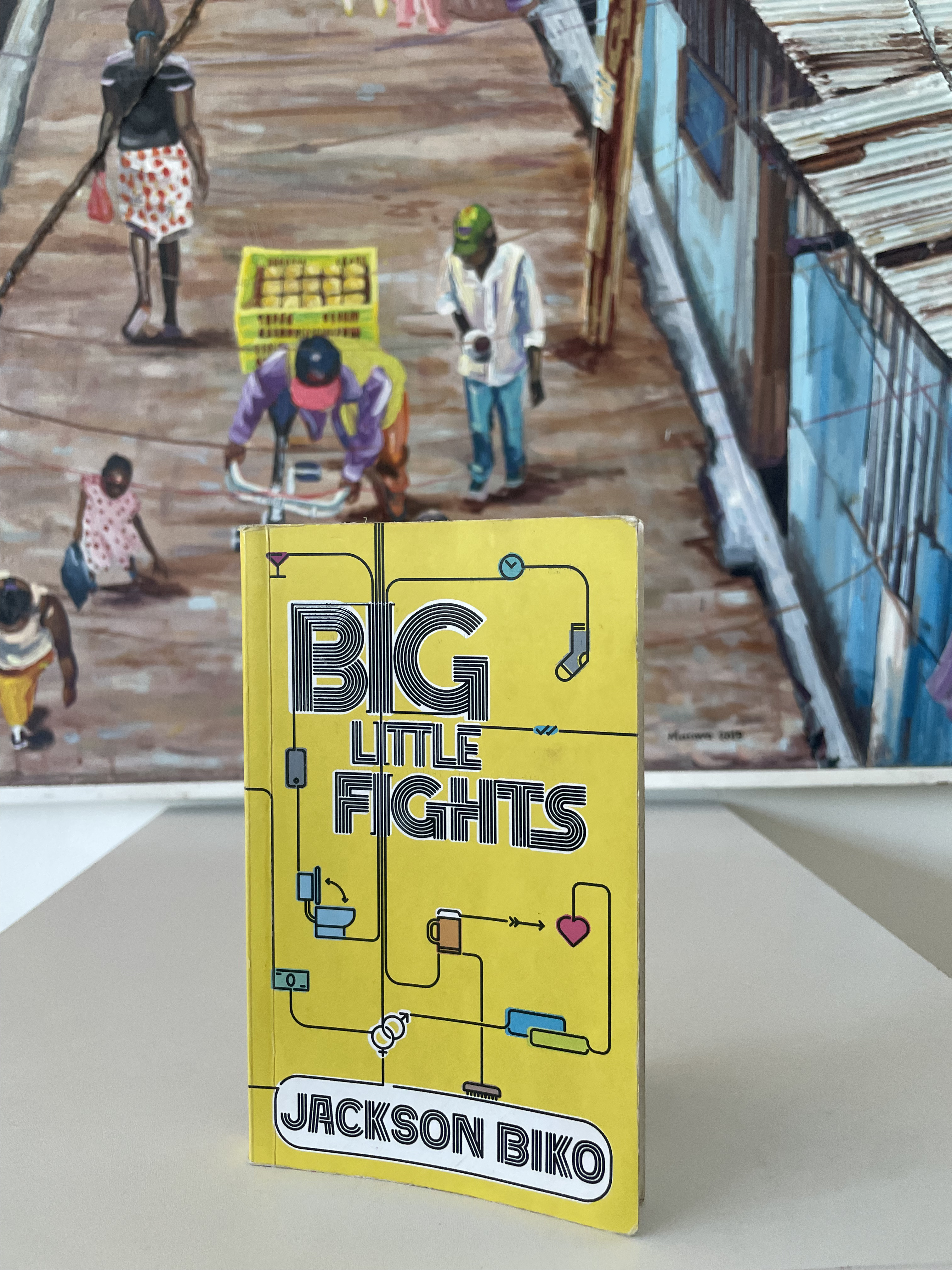
TITLE: Big Little Fights
AUTHOR: Jackson Biko
PUBLISHER: Jackson Biko
REVIEWER: Tracy M. Ochieng
AVAILABILITY: shop.eKitabu.com
PRICE: Ksh1,200 (Print)
Love is rarely simple. Jackson Biko’s Big Little Fights demonstrates that the most significant conflicts in relationships often have little to do with infidelity. Surprising, isn’t it? Despite teachings that divorce is warranted only in cases of sexual immorality, many couples weather betrayals, while others call it quits at the first sign of tension. Perhaps love is less about perfection and more about negotiation, compromise, and shared patience.
Biko approaches this theme with a unique structural choice: the book features 20 couples, all named Rose and Ian. At first, this repetition feels whimsical; as the stories unfold, it becomes clear that the author is making a broader point: the challenges of love, intimacy, and human connection are universal. Across these couples, arguments over the smallest matters—a forgotten dinner, a snoring habit, how one chews—mirror the struggles many couples face. Biko cleverly demonstrates that, while names and faces may change, the dynamics of love remain remarkably consistent.
The 20 stories are concise, and some feel slightly rushed, leaving readers wishing for more time to inhabit each couple’s world. Similarly, the occasional reflective “life lessons” appended to the end of stories sometimes interrupt the narrative flow. Yet, these small imperfections do little to detract from Biko’s brilliance. His writing is sharp, humorous, and perceptive, blending social commentary with the everyday absurdities of love.
Modern relationships, as Biko explores, are layered with expectations, insecurities, and social scrutiny. Winning love sometimes goes beyond charm or attraction. People even consult witch doctors—maji marefu—to secure the partner of their dreams. Women, in particular, are judged for their past relationships, while men are often given a free pass. These double standards persist, reflecting enduring societal biases about gender, morality, and suitability as a spouse.
Biko illustrates how minor disagreements—over meals, sleeping habits, or the approval of friends—can escalate into significant conflicts. These “big little fights” reveal the hidden pressures and unspoken expectations that shape romantic relationships. They are not trivial; they are a window into human psychology, insecurities, and the negotiation required to maintain intimacy over time.
Alcohol and lifestyle choices also feature prominently. Independent women who enjoy nights out, smoke, vape, or experiment with substances often face criticism. Social media amplifies this scrutiny: a weekend post can invite comments like “Nani ataoa huyu?” (“Who would marry her?”) from both men and women. These reactions reveal cultural discomfort with changing gender roles, personal independence, and autonomy in relationships. Biko uses these examples to highlight broader social commentary: love is not only personal, it is political, cultural, and social.
The recurring motif of Rose and Ian across 20 stories allows Biko to explore relationship dynamics over time, showing that love is messy but universal. Every couple experiences quarrels, misunderstandings, and reconciliations. Arguments that might appear insignificant—who forgot to buy groceries or left a plate unwashed—often reveal deeper emotional undercurrents. These “little fights” accumulate, shaping relationships and testing patience, empathy, and compromise.
Humour remains Biko’s greatest strength. His sharp observations about human behaviour invite readers to laugh at themselves while reflecting on their own relationships. The absurdities of jealousy, past lovers, and tiny daily irritations are presented with wit and clarity, reminding us that love is rarely perfect. The universality of Rose and Ian reinforces the idea that everyone, everywhere, navigates similar challenges.
Cultural and generational tensions also permeate the book. Traditional frameworks of marriage—rooted in obedience, domesticity, and defined gender roles—clash with contemporary values of equality, independence, and self-expression. Biko demonstrates how these tensions play out in everyday disagreements, illustrating the broader societal shifts influencing modern love.
Ultimately, Big Little Fights is not just about quarrels; it is an educative exploration of human relationships. Biko encourages reflection on our own behaviour, communication, and expectations. He reminds readers that empathy, patience, and understanding are more important than perfection, and that love is as much about managing conflicts as it is about sharing joy.
In conclusion, Jackson Biko’s Big Little Fights is a witty, insightful, and deeply human exploration of love. The 20 couples, all named Rose and Ian, serve as a playful yet powerful lens for examining the universal patterns of intimacy, conflict, and reconciliation. While some stories feel rushed and the appended reflections occasionally interrupt the narrative, Biko’s brilliance as a writer shines throughout.
Love, as Biko shows, is messy, hilarious, frustrating, and endlessly fascinating. In a world obsessed with perfection, he reminds us that it is the small, everyday “big little fights” that reveal our priorities, insecurities, and capacity for empathy. And, if we pay attention, these tiny conflicts can teach us how to love better.
Tracy Ochieng is a staff writer with Books in Africa. Email: tracy.ochieng@ekitabu.com
Featured Book

Related Book
Get to know more about the mentioned books
Related Article

Love, Chaos, and the Universality of Human Relationships
By
TITLE: Big Little Fights
AUTHOR: Jackson Biko
PUBLISHER: Jackson Biko
REVIEWER: Tracy M. Ochieng
AVAILABILITY: shop.eKitabu.com
PRICE: Ksh1,200 (Print)
Love is rarely simple. Jackson Biko’s Big Little Fights demonstrates that the most significant conflicts in relationships often have little to do with infidelity. Surprising, isn’t it? Despite teachings that divorce is warranted only in cases of sexual immorality, many couples weather betrayals, while others call it quits at the first sign of tension. Perhaps love is less about perfection and more about negotiation, compromise, and shared patience.
Biko approaches this theme with a unique structural choice: the book features 20 couples, all named Rose and Ian. At first, this repetition feels whimsical; as the stories unfold, it becomes clear that the author is making a broader point: the challenges of love, intimacy, and human connection are universal. Across these couples, arguments over the smallest matters—a forgotten dinner, a snoring habit, how one chews—mirror the struggles many couples face. Biko cleverly demonstrates that, while names and faces may change, the dynamics of love remain remarkably consistent.
The 20 stories are concise, and some feel slightly rushed, leaving readers wishing for more time to inhabit each couple’s world. Similarly, the occasional reflective “life lessons” appended to the end of stories sometimes interrupt the narrative flow. Yet, these small imperfections do little to detract from Biko’s brilliance. His writing is sharp, humorous, and perceptive, blending social commentary with the everyday absurdities of love.
Modern relationships, as Biko explores, are layered with expectations, insecurities, and social scrutiny. Winning love sometimes goes beyond charm or attraction. People even consult witch doctors—maji marefu—to secure the partner of their dreams. Women, in particular, are judged for their past relationships, while men are often given a free pass. These double standards persist, reflecting enduring societal biases about gender, morality, and suitability as a spouse.
Biko illustrates how minor disagreements—over meals, sleeping habits, or the approval of friends—can escalate into significant conflicts. These “big little fights” reveal the hidden pressures and unspoken expectations that shape romantic relationships. They are not trivial; they are a window into human psychology, insecurities, and the negotiation required to maintain intimacy over time.
Alcohol and lifestyle choices also feature prominently. Independent women who enjoy nights out, smoke, vape, or experiment with substances often face criticism. Social media amplifies this scrutiny: a weekend post can invite comments like “Nani ataoa huyu?” (“Who would marry her?”) from both men and women. These reactions reveal cultural discomfort with changing gender roles, personal independence, and autonomy in relationships. Biko uses these examples to highlight broader social commentary: love is not only personal, it is political, cultural, and social.
The recurring motif of Rose and Ian across 20 stories allows Biko to explore relationship dynamics over time, showing that love is messy but universal. Every couple experiences quarrels, misunderstandings, and reconciliations. Arguments that might appear insignificant—who forgot to buy groceries or left a plate unwashed—often reveal deeper emotional undercurrents. These “little fights” accumulate, shaping relationships and testing patience, empathy, and compromise.
Humour remains Biko’s greatest strength. His sharp observations about human behaviour invite readers to laugh at themselves while reflecting on their own relationships. The absurdities of jealousy, past lovers, and tiny daily irritations are presented with wit and clarity, reminding us that love is rarely perfect. The universality of Rose and Ian reinforces the idea that everyone, everywhere, navigates similar challenges.
Cultural and generational tensions also permeate the book. Traditional frameworks of marriage—rooted in obedience, domesticity, and defined gender roles—clash with contemporary values of equality, independence, and self-expression. Biko demonstrates how these tensions play out in everyday disagreements, illustrating the broader societal shifts influencing modern love.
Ultimately, Big Little Fights is not just about quarrels; it is an educative exploration of human relationships. Biko encourages reflection on our own behaviour, communication, and expectations. He reminds readers that empathy, patience, and understanding are more important than perfection, and that love is as much about managing conflicts as it is about sharing joy.
In conclusion, Jackson Biko’s Big Little Fights is a witty, insightful, and deeply human exploration of love. The 20 couples, all named Rose and Ian, serve as a playful yet powerful lens for examining the universal patterns of intimacy, conflict, and reconciliation. While some stories feel rushed and the appended reflections occasionally interrupt the narrative, Biko’s brilliance as a writer shines throughout.
Love, as Biko shows, is messy, hilarious, frustrating, and endlessly fascinating. In a world obsessed with perfection, he reminds us that it is the small, everyday “big little fights” that reveal our priorities, insecurities, and capacity for empathy. And, if we pay attention, these tiny conflicts can teach us how to love better.
Tracy Ochieng is a staff writer with Books in Africa. Email: tracy.ochieng@ekitabu.com
Share :


Lorem ipsum dolor sit amet, consectetur adipiscing elit. Suspendisse varius enim in eros elementum tristique. Duis cursus, mi quis viverra ornare, eros dolor interdum nulla, ut commodo diam libero vitae erat. Aenean faucibus nibh et justo cursus id rutrum lorem imperdiet. Nunc ut sem vitae risus tristique posuere.
Lorem ipsum dolor sit amet, consectetur adipiscing elit. Suspendisse varius enim in eros elementum tristique. Duis cursus, mi quis viverra ornare, eros dolor interdum nulla, ut commodo diam libero vitae erat. Aenean faucibus nibh et justo cursus id rutrum lorem imperdiet. Nunc ut sem vitae risus tristique posuere.