
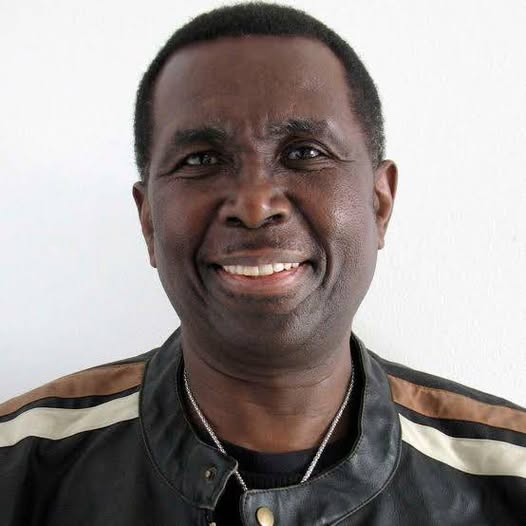

Meja Mwangi, Renowned Kenyan Novelist, Is Dead
A Tribute to Meja Mwangi (1948–2025)
Meja Mwangi wrote Kenya into itself.
With his passing, we lose not just a prolific novelist, but a fearless chronicler of ordinary lives lived under extraordinary pressure. He wrote with urgency, humour, anger and compassion often in the same breath. His pages carried the dust of estates, the noise of bars, the ache of failed dreams, and the stubborn dignity of people determined to survive.
Mwangi was never interested in polishing reality to make it palatable. Instead, he held up a mirror to post-independence Kenya and asked us to look, really look, at the lives shaped by poverty, power, masculinity, violence, hope and disillusionment. In Going Down River Road, Kill Me Quick, Carcase for Hounds, and The Cockroach Dance, he centred characters who were rarely granted narrative space: the unemployed youth, the urban poor, the restless drifters caught between aspiration and despair. Through them, he revealed the moral and emotional cost of a society still negotiating its freedom.
His prose was lean, direct, unapologetic. There was nothing ornamental about it. Mwangi trusted language to do what it was meant to do: tell the truth. That honesty, sometimes uncomfortable, sometimes tender, earned him both admiration and resistance. But he never softened his voice to fit expectation. He wrote as he saw, and he wrote as he felt.
Beyond Kenya, Meja Mwangi carried African storytelling into global conversations, winning international recognition while remaining rooted in local realities. Even when he lived and worked abroad, his imagination never left home. Kenya was always the beating heart of his work.
For generations of readers, writers, journalists and students, Mwangi offered permission: permission to write boldly, to centre the margins, to resist romanticising struggle, and to tell African stories without apology or translation.
Today, we mourn the man. We celebrate the body of work he leaves behind; books that will continue to unsettle, educate, and speak to new readers long after this moment of loss. Meja Mwangi may have left us, but his words remain, sharp and alive, insisting that we pay attention.
May he rest in power.
Tracy Ochieng is a staff writer with Books in Africa. Email: tracy.ochieng@ekitabu.com
Featured Book

Related Book
Get to know more about the mentioned books
Related Article

Meja Mwangi, Renowned Kenyan Novelist, Is Dead
By
A Tribute to Meja Mwangi (1948–2025)
Meja Mwangi wrote Kenya into itself.
With his passing, we lose not just a prolific novelist, but a fearless chronicler of ordinary lives lived under extraordinary pressure. He wrote with urgency, humour, anger and compassion often in the same breath. His pages carried the dust of estates, the noise of bars, the ache of failed dreams, and the stubborn dignity of people determined to survive.
Mwangi was never interested in polishing reality to make it palatable. Instead, he held up a mirror to post-independence Kenya and asked us to look, really look, at the lives shaped by poverty, power, masculinity, violence, hope and disillusionment. In Going Down River Road, Kill Me Quick, Carcase for Hounds, and The Cockroach Dance, he centred characters who were rarely granted narrative space: the unemployed youth, the urban poor, the restless drifters caught between aspiration and despair. Through them, he revealed the moral and emotional cost of a society still negotiating its freedom.
His prose was lean, direct, unapologetic. There was nothing ornamental about it. Mwangi trusted language to do what it was meant to do: tell the truth. That honesty, sometimes uncomfortable, sometimes tender, earned him both admiration and resistance. But he never softened his voice to fit expectation. He wrote as he saw, and he wrote as he felt.
Beyond Kenya, Meja Mwangi carried African storytelling into global conversations, winning international recognition while remaining rooted in local realities. Even when he lived and worked abroad, his imagination never left home. Kenya was always the beating heart of his work.
For generations of readers, writers, journalists and students, Mwangi offered permission: permission to write boldly, to centre the margins, to resist romanticising struggle, and to tell African stories without apology or translation.
Today, we mourn the man. We celebrate the body of work he leaves behind; books that will continue to unsettle, educate, and speak to new readers long after this moment of loss. Meja Mwangi may have left us, but his words remain, sharp and alive, insisting that we pay attention.
May he rest in power.
Tracy Ochieng is a staff writer with Books in Africa. Email: tracy.ochieng@ekitabu.com
Share :


Lorem ipsum dolor sit amet, consectetur adipiscing elit. Suspendisse varius enim in eros elementum tristique. Duis cursus, mi quis viverra ornare, eros dolor interdum nulla, ut commodo diam libero vitae erat. Aenean faucibus nibh et justo cursus id rutrum lorem imperdiet. Nunc ut sem vitae risus tristique posuere.
Lorem ipsum dolor sit amet, consectetur adipiscing elit. Suspendisse varius enim in eros elementum tristique. Duis cursus, mi quis viverra ornare, eros dolor interdum nulla, ut commodo diam libero vitae erat. Aenean faucibus nibh et justo cursus id rutrum lorem imperdiet. Nunc ut sem vitae risus tristique posuere.