

Till death of the marriage do us part
“Women, you will always be called to be humble to your husbands, so whoever is inciting you, the wazungus and feminism, just know we can’t change the scriptures. Husbands, you will always be called to love your wife…”
There is something fascinating about listening to sermons on marriage in a room full of married, religious people. Not because the lessons are new, they rarely are, but because the room itself often tells a different story from the one being preached.
A few weekends ago, I attended a family gathering where a Catholic priest was invited to deliver a sermon. The audience was made up largely of young millennial families. There were toddlers weaving between chairs, husbands scrolling through their phones before the service began, wives balancing conversations while keeping an eye on restless children or rubbing their pregnant bellies. It was, in many ways, a portrait of contemporary family life. The priest chose the story of Herod, Herodias and the beheading of John the Baptist. By the time he reached his conclusion, however, the biblical narrative had become a familiar lesson about marriage: men must resist lust, women must embrace submission, families flourish when each person fulfils their God-given role, and abortion is the murder of an innocent child.
It was the sort of sermon that has echoed through churches for generations. Except something had changed. The women listening were no longer silent. My cousin questioned one point. My aunt challenged another. I found myself responding under my breath before speaking aloud. Soon, our corner of the gathering had become an ongoing conversation with the priest. Every so often, someone from our corner would interject, "Okthooe! Marriage is not to die for." It is a phrase many Kenyans know well. It is not a dismissal of marriage but a rejection of martyrdom. It means that no woman—or man, for that matter—should remain in a marriage that has become violent, dehumanising or unsafe simply because society reveres the institution. The exclamation cut through the sermon, reminding everyone that while marriage may be sacred, human life is more so.
What struck me wasn't that we disagreed. It was how instinctively we pushed back against ideas that previous generations may simply have accepted. The priest was not entirely unfair; he, for one, condemned male infidelity. He criticised husbands who abandoned their responsibilities and spoke against lust and selfishness. Yet, as the sermon unfolded, something familiar happened. The burden of saving marriage slowly migrated back to women.
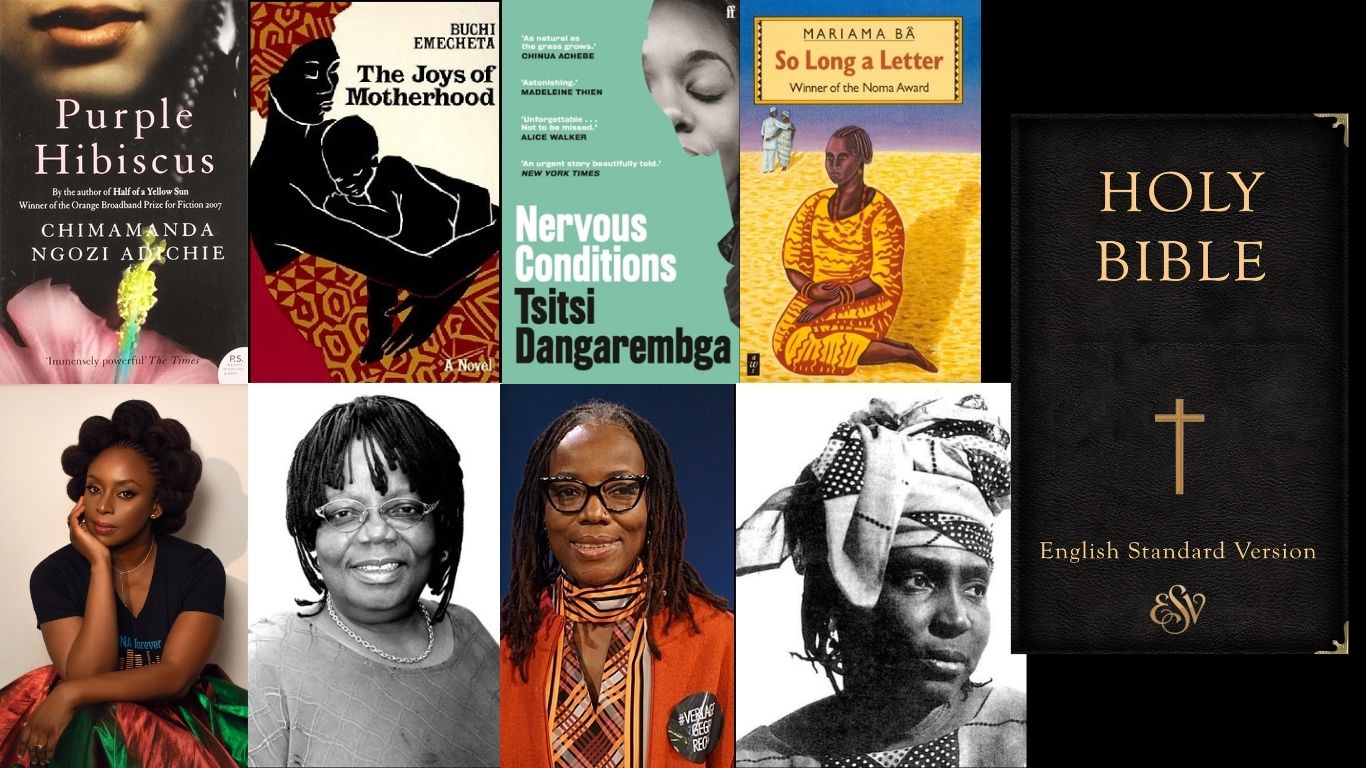
It struck me as curious that the priest blamed wazungus and ‘western feminism’ for women's questions. Yet the voices echoing in my head that afternoon were not foreign. They were unmistakably African. Mariama Bâ had already asked what fidelity demanded of women. Buchi Emecheta had already exposed the cost of self-sacrifice. Ama Ata Aidoo had already imagined marriages built on negotiation rather than hierarchy. Tsitsi Dangarembga had already shown how obedience is cultivated long before the wedding day. Chimamanda Ngozi Adichie had already written about the violence that can hide behind religious respectability. None of these women needed Europe to teach them how to question. They needed only to pay attention to the lives around them.
The priest admonished men and reminded them to do better. Women were instructed to be better, and that is an important difference. This imbalance has long characterised conversations about marriage across much of Africa. Men are warned against failure; women are prepared to absorb its consequences.
“You know as a man the temptation to fall into lust is there, especially when you are earning good money or are heading a big company. The temptation to move from one lady to another is there, but don’t tell us to understand that you are human. By the grace of God you can overcome that lust…” When marriages begin to crack, the advice often follows a predictable script: pray and fast more. Submit more. Be patient. Endure. Forgive. Respect your husband. Preserve the family because it is the most important unit in society. Rarely do we ask why so much of the emotional labour of preserving marriage falls upon women.
Even the phrase "Tell them, Father," which floated around the room whenever the priest criticised men, carried a quiet and deep sadness. It wasn't the reaction of people hearing revolutionary wisdom, but the exhausted agreement of women who had heard these warnings before and watched their spouses change very little.
After all, if decades of sermons against adultery have not eliminated adultery, perhaps the problem is not that men have not heard the message; perhaps the problem is that we continue to believe that moral instruction alone can repair relationships shaped by power, culture and deeply entrenched expectations.
The sermon also revealed another tension that is becoming increasingly difficult to ignore. Many African marriages today are being negotiated by people who inhabit two different worlds simultaneously. Many of the women in that room were solid professionals. They earned incomes, managed households, raised children and contributed financially to their families. They participate in public life in ways that were unavailable to many of their mothers and grandmothers. Yet the moral framework presented to them still assumed that authority naturally rested with their husbands, that female submission is virtuous and questioning that arrangement is evidence of rebellion rather than reflection. Not because women have suddenly become impossible wives nor because men are uniquely incapable of adapting, but because many couples are trying to fit contemporary lives into an inherited model of marriage that no longer reflects the realities they inhabit and this is where religious conversations often struggle. Churches have become exceptionally good at prescribing roles and less comfortable asking whether those roles continue to serve the people living them.
The priest insisted that Scripture cannot be changed.
Neither can history. Literature has always done something different by asking not what ought to happen, but what does happen. When Mariama Bâ wrote So Long a Letter, she wasn't arguing theology. She was documenting what humility looked like when a woman was asked to accept her husband's second marriage with grace. Ramatoulaye's dignity doesn't come from silent endurance. It comes from refusing to let betrayal define her.
The women who had already answered the priest
As I listened to the priest speak, I realised I had heard this conversation before. Not in church, but in African literature. Long before social media gave women the language to question marriage, African women writers had already begun dismantling its myths.
When So Long a Letter was published in 1979, Mariama Bâ gave us Ramatoulaye, a woman whose marriage is upended when her husband takes a younger wife. What makes the novel remarkable is not simply that it confronts polygamy, but that it asks whether dignity can survive in a society that tells women endurance is their highest calling. Ramatoulaye does not reject marriage outright; she rejects the expectation that a woman's suffering is what gives marriage its value.
A few years later, Nervous Conditions would ask another uncomfortable question. Tambudzai's story is not about marriage, but it is about the institutions that teach women obedience long before they become wives. Dangarembga understood that submission does not begin at the altar. It is rehearsed in childhood, rewarded in adolescence and expected in adulthood.
Then came Purple Hibiscus.
Eugene Achike is a devout Catholic, generous to his church and admired by his community. From the outside, he embodies the righteous Christian husband. Inside his home, however, his authority is maintained through fear and violence. Adichie refuses us the comfort of separating piety from abuse. She forces us to ask whether a marriage can be called holy when it leaves bruises no one speaks about.
Perhaps that is why our corner of the congregation kept interrupting the sermon.
We have read these stories. We have lived them.
The priest spoke as though the greatest threat to marriage was feminism.
African literature suggests something else entirely: Marriage’s greatest threat may be the insistence that women preserve marriage at the expense of themselves.
The priest says:
"Women, be humble."
Mariama Bâ replies:
Humility did not save Ramatoulaye from betrayal.
The priest says:
"Marriage is sacred."
Buchi Emecheta asks:
Sacred for whom?
The priest warns against feminism.
Ama Ata Aidoo laughs—not mockingly, but knowingly—and spends an entire novel exploring what happens when an African woman simply asks to be treated as an equal partner.
The priest speaks about authority.
Chimamanda gives us Eugene Achike, a man whose authority is sanctioned by the Church while his family lives in terror.
The Church believes it is teaching timeless truths. African women writers have spent decades documenting what happens when those truths meet real women.
As the priest concluded his sermon, I realised he wasn't the only one preaching that afternoon. Sitting silently in my memory were Mariama Bâ, Buchi Emecheta, Ama Ata Aidoo, Tsitsi Dangarembga and Chimamanda Ngozi Adichie. They, too, have written sermons about marriage. Only theirs begin not with doctrine, but with women.
Father, if you have time after Mass, I'd like to lend you a few books.
Tracy Ochieng is a staff writer with Books in Africa. Email: tracy.ochieng@ekitabu.com
Featured Book
Related Book
Get to know more about the mentioned books
Related Article
.jpg)
Till death of the marriage do us part
By
“Women, you will always be called to be humble to your husbands, so whoever is inciting you, the wazungus and feminism, just know we can’t change the scriptures. Husbands, you will always be called to love your wife…”
There is something fascinating about listening to sermons on marriage in a room full of married, religious people. Not because the lessons are new, they rarely are, but because the room itself often tells a different story from the one being preached.
A few weekends ago, I attended a family gathering where a Catholic priest was invited to deliver a sermon. The audience was made up largely of young millennial families. There were toddlers weaving between chairs, husbands scrolling through their phones before the service began, wives balancing conversations while keeping an eye on restless children or rubbing their pregnant bellies. It was, in many ways, a portrait of contemporary family life. The priest chose the story of Herod, Herodias and the beheading of John the Baptist. By the time he reached his conclusion, however, the biblical narrative had become a familiar lesson about marriage: men must resist lust, women must embrace submission, families flourish when each person fulfils their God-given role, and abortion is the murder of an innocent child.
It was the sort of sermon that has echoed through churches for generations. Except something had changed. The women listening were no longer silent. My cousin questioned one point. My aunt challenged another. I found myself responding under my breath before speaking aloud. Soon, our corner of the gathering had become an ongoing conversation with the priest. Every so often, someone from our corner would interject, "Okthooe! Marriage is not to die for." It is a phrase many Kenyans know well. It is not a dismissal of marriage but a rejection of martyrdom. It means that no woman—or man, for that matter—should remain in a marriage that has become violent, dehumanising or unsafe simply because society reveres the institution. The exclamation cut through the sermon, reminding everyone that while marriage may be sacred, human life is more so.
What struck me wasn't that we disagreed. It was how instinctively we pushed back against ideas that previous generations may simply have accepted. The priest was not entirely unfair; he, for one, condemned male infidelity. He criticised husbands who abandoned their responsibilities and spoke against lust and selfishness. Yet, as the sermon unfolded, something familiar happened. The burden of saving marriage slowly migrated back to women.
It struck me as curious that the priest blamed wazungus and ‘western feminism’ for women's questions. Yet the voices echoing in my head that afternoon were not foreign. They were unmistakably African. Mariama Bâ had already asked what fidelity demanded of women. Buchi Emecheta had already exposed the cost of self-sacrifice. Ama Ata Aidoo had already imagined marriages built on negotiation rather than hierarchy. Tsitsi Dangarembga had already shown how obedience is cultivated long before the wedding day. Chimamanda Ngozi Adichie had already written about the violence that can hide behind religious respectability. None of these women needed Europe to teach them how to question. They needed only to pay attention to the lives around them.
The priest admonished men and reminded them to do better. Women were instructed to be better, and that is an important difference. This imbalance has long characterised conversations about marriage across much of Africa. Men are warned against failure; women are prepared to absorb its consequences.
“You know as a man the temptation to fall into lust is there, especially when you are earning good money or are heading a big company. The temptation to move from one lady to another is there, but don’t tell us to understand that you are human. By the grace of God you can overcome that lust…” When marriages begin to crack, the advice often follows a predictable script: pray and fast more. Submit more. Be patient. Endure. Forgive. Respect your husband. Preserve the family because it is the most important unit in society. Rarely do we ask why so much of the emotional labour of preserving marriage falls upon women.
Even the phrase "Tell them, Father," which floated around the room whenever the priest criticised men, carried a quiet and deep sadness. It wasn't the reaction of people hearing revolutionary wisdom, but the exhausted agreement of women who had heard these warnings before and watched their spouses change very little.
After all, if decades of sermons against adultery have not eliminated adultery, perhaps the problem is not that men have not heard the message; perhaps the problem is that we continue to believe that moral instruction alone can repair relationships shaped by power, culture and deeply entrenched expectations.
The sermon also revealed another tension that is becoming increasingly difficult to ignore. Many African marriages today are being negotiated by people who inhabit two different worlds simultaneously. Many of the women in that room were solid professionals. They earned incomes, managed households, raised children and contributed financially to their families. They participate in public life in ways that were unavailable to many of their mothers and grandmothers. Yet the moral framework presented to them still assumed that authority naturally rested with their husbands, that female submission is virtuous and questioning that arrangement is evidence of rebellion rather than reflection. Not because women have suddenly become impossible wives nor because men are uniquely incapable of adapting, but because many couples are trying to fit contemporary lives into an inherited model of marriage that no longer reflects the realities they inhabit and this is where religious conversations often struggle. Churches have become exceptionally good at prescribing roles and less comfortable asking whether those roles continue to serve the people living them.
The priest insisted that Scripture cannot be changed.
Neither can history. Literature has always done something different by asking not what ought to happen, but what does happen. When Mariama Bâ wrote So Long a Letter, she wasn't arguing theology. She was documenting what humility looked like when a woman was asked to accept her husband's second marriage with grace. Ramatoulaye's dignity doesn't come from silent endurance. It comes from refusing to let betrayal define her.
The women who had already answered the priest
As I listened to the priest speak, I realised I had heard this conversation before. Not in church, but in African literature. Long before social media gave women the language to question marriage, African women writers had already begun dismantling its myths.
When So Long a Letter was published in 1979, Mariama Bâ gave us Ramatoulaye, a woman whose marriage is upended when her husband takes a younger wife. What makes the novel remarkable is not simply that it confronts polygamy, but that it asks whether dignity can survive in a society that tells women endurance is their highest calling. Ramatoulaye does not reject marriage outright; she rejects the expectation that a woman's suffering is what gives marriage its value.
A few years later, Nervous Conditions would ask another uncomfortable question. Tambudzai's story is not about marriage, but it is about the institutions that teach women obedience long before they become wives. Dangarembga understood that submission does not begin at the altar. It is rehearsed in childhood, rewarded in adolescence and expected in adulthood.
Then came Purple Hibiscus.
Eugene Achike is a devout Catholic, generous to his church and admired by his community. From the outside, he embodies the righteous Christian husband. Inside his home, however, his authority is maintained through fear and violence. Adichie refuses us the comfort of separating piety from abuse. She forces us to ask whether a marriage can be called holy when it leaves bruises no one speaks about.
Perhaps that is why our corner of the congregation kept interrupting the sermon.
We have read these stories. We have lived them.
The priest spoke as though the greatest threat to marriage was feminism.
African literature suggests something else entirely: Marriage’s greatest threat may be the insistence that women preserve marriage at the expense of themselves.
The priest says:
"Women, be humble."
Mariama Bâ replies:
Humility did not save Ramatoulaye from betrayal.
The priest says:
"Marriage is sacred."
Buchi Emecheta asks:
Sacred for whom?
The priest warns against feminism.
Ama Ata Aidoo laughs—not mockingly, but knowingly—and spends an entire novel exploring what happens when an African woman simply asks to be treated as an equal partner.
The priest speaks about authority.
Chimamanda gives us Eugene Achike, a man whose authority is sanctioned by the Church while his family lives in terror.
The Church believes it is teaching timeless truths. African women writers have spent decades documenting what happens when those truths meet real women.
As the priest concluded his sermon, I realised he wasn't the only one preaching that afternoon. Sitting silently in my memory were Mariama Bâ, Buchi Emecheta, Ama Ata Aidoo, Tsitsi Dangarembga and Chimamanda Ngozi Adichie. They, too, have written sermons about marriage. Only theirs begin not with doctrine, but with women.
Father, if you have time after Mass, I'd like to lend you a few books.
Tracy Ochieng is a staff writer with Books in Africa. Email: tracy.ochieng@ekitabu.com
Share :


Lorem ipsum dolor sit amet, consectetur adipiscing elit. Suspendisse varius enim in eros elementum tristique. Duis cursus, mi quis viverra ornare, eros dolor interdum nulla, ut commodo diam libero vitae erat. Aenean faucibus nibh et justo cursus id rutrum lorem imperdiet. Nunc ut sem vitae risus tristique posuere.
Lorem ipsum dolor sit amet, consectetur adipiscing elit. Suspendisse varius enim in eros elementum tristique. Duis cursus, mi quis viverra ornare, eros dolor interdum nulla, ut commodo diam libero vitae erat. Aenean faucibus nibh et justo cursus id rutrum lorem imperdiet. Nunc ut sem vitae risus tristique posuere.