
Latest Article
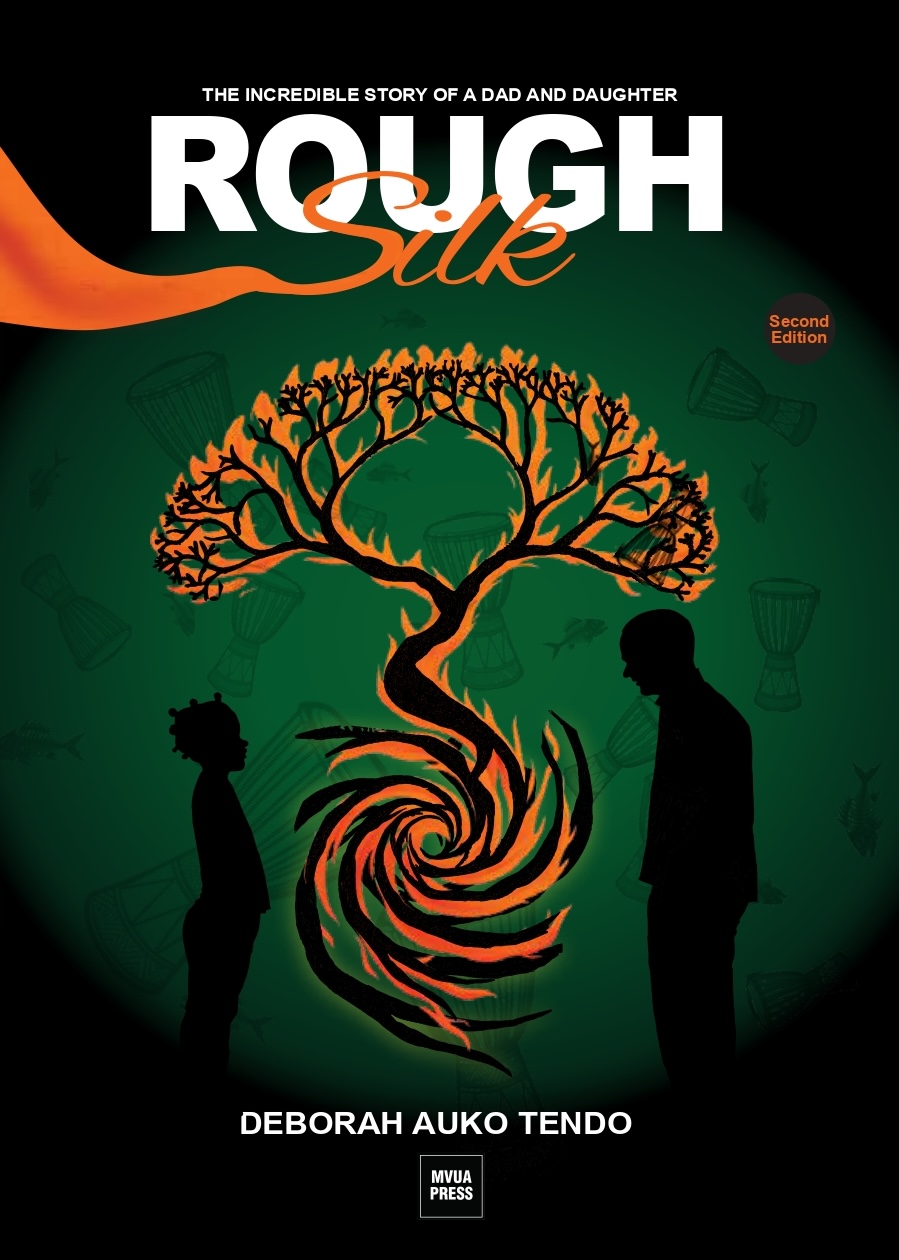
Hints of Baba: Tendo’s ‘Rough Silk’ wins TBC runners-up award
Spanning 69 years, Rough Silk traces the life of George Auko—a man whose very birth feels steeped in myth. When Achieng Nyongalo gives birth beneath the Otho tree, her blood feeding into the soil as she takes her last breath, Auko’s life begins as hers ends. It is a moment that feels less like coincidence and more like design—an intervention of Juok, the unseen hand that shapes destiny in Luo cosmology.
Filter
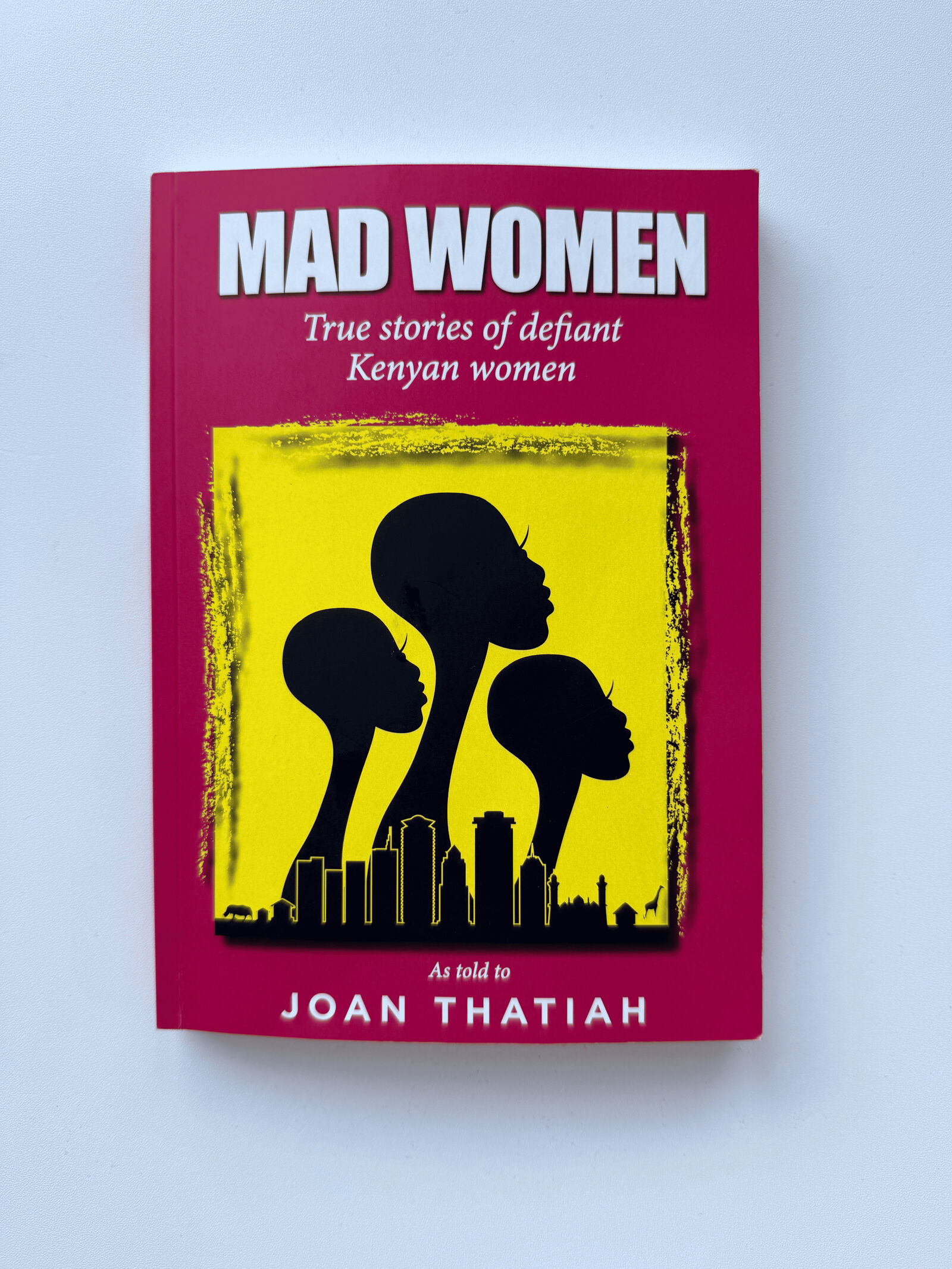
These are not just stories, they are recognisable and lived realities. The topic of abortion remains a hushed one spoken in codes and euphemisms on platforms like TikTok, where creators, anonymous or not, refer to pregnancy as “the stranger in my womb”, quietly building communities of support for women navigating impossible choices.
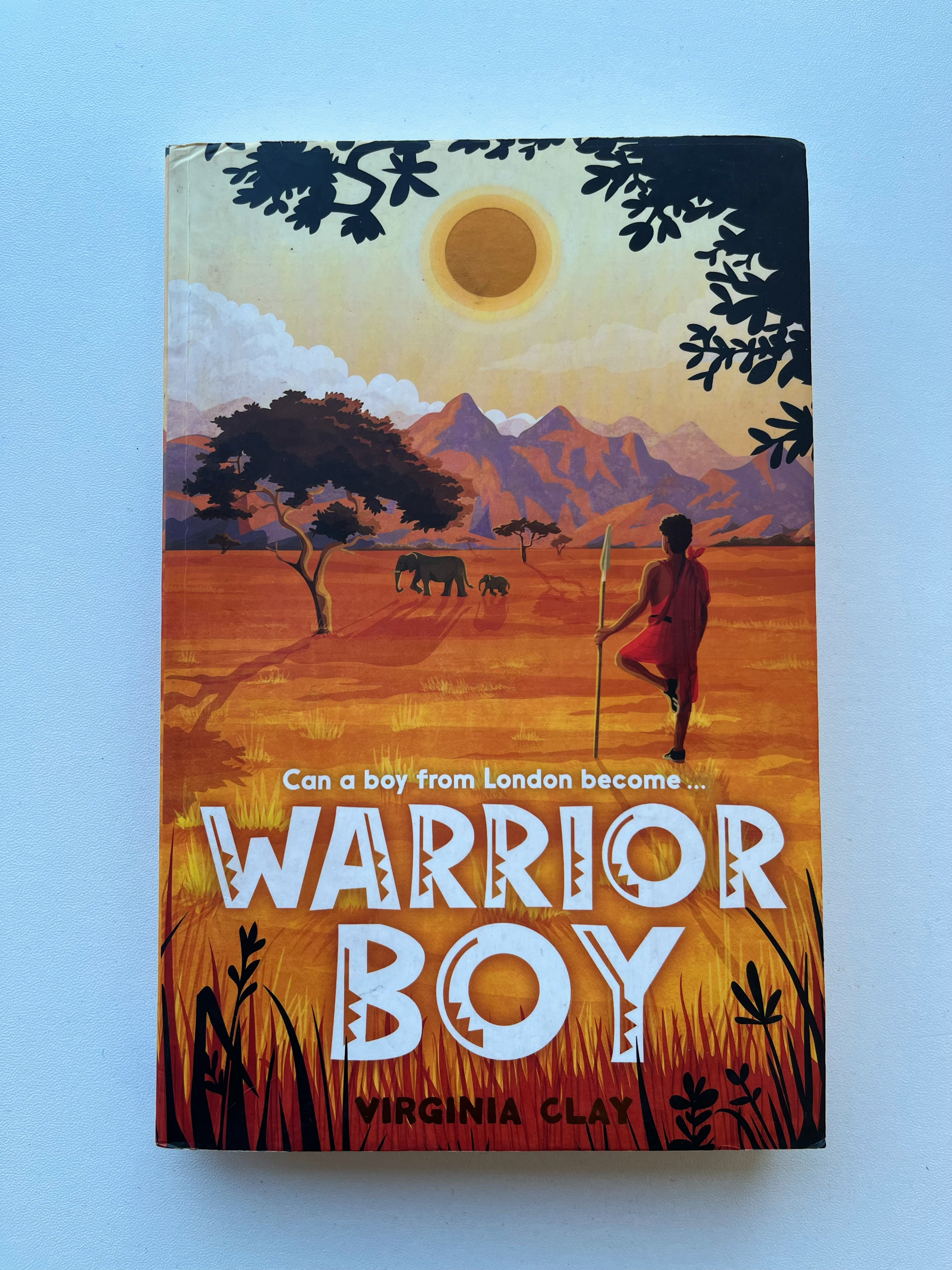
Central to this ethical inquiry is Ben’s father, a Maasai warrior, who died protecting a film crew during a lion attack. Clay avoids mythologising him. His bravery is acknowledged, but so is its cost. He exists in the narrative as both presence and absence: a figure of pride, but also of unresolved expectation. In one of the novel’s most affecting moments, Ben studies a photograph of his father in traditional Maasai dress, framed in olive wood from his village. The image becomes a powerful symbol of inherited masculinity and imagined strength. For Ben, this photograph is both an anchor and a burden. It represents an ideal he feels unable to live up to—a warriorhood defined by physical courage and sacrifice. Clay excels here in illustrating how children internalise narratives long before they understand them. Ben’s fear of returning to Kenya is not framed as weakness, but as grief: a fear of exposure, of being measured against an identity he never chose yet feels bound to honour.
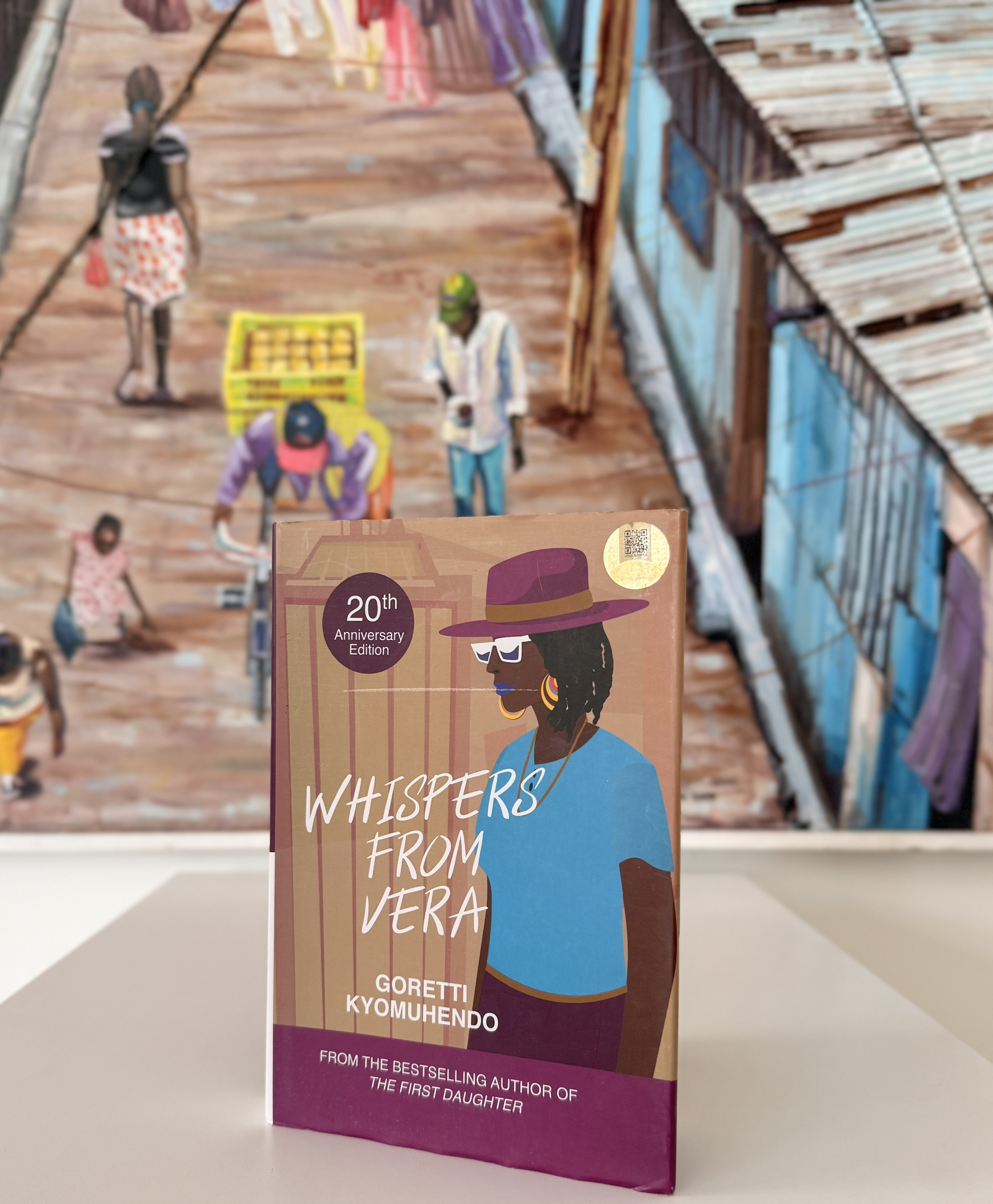
Vera’s life takes an unexpected turn when she meets Eric, a polished, seemingly successful corporate executive who embodies everything she has been taught to hope for. Their romance, laced with charm and optimism, offers Vera a glimpse into the future she has long imagined: a stable partnership, a home, and the promise of the life she believes she deserves. Yet, as Kyomuhendo reveals, appearances can be deceptive. Eric is guarding a secret of immense consequence, one that threatens to upend Vera’s plans and challenges her understanding of what she truly wants.
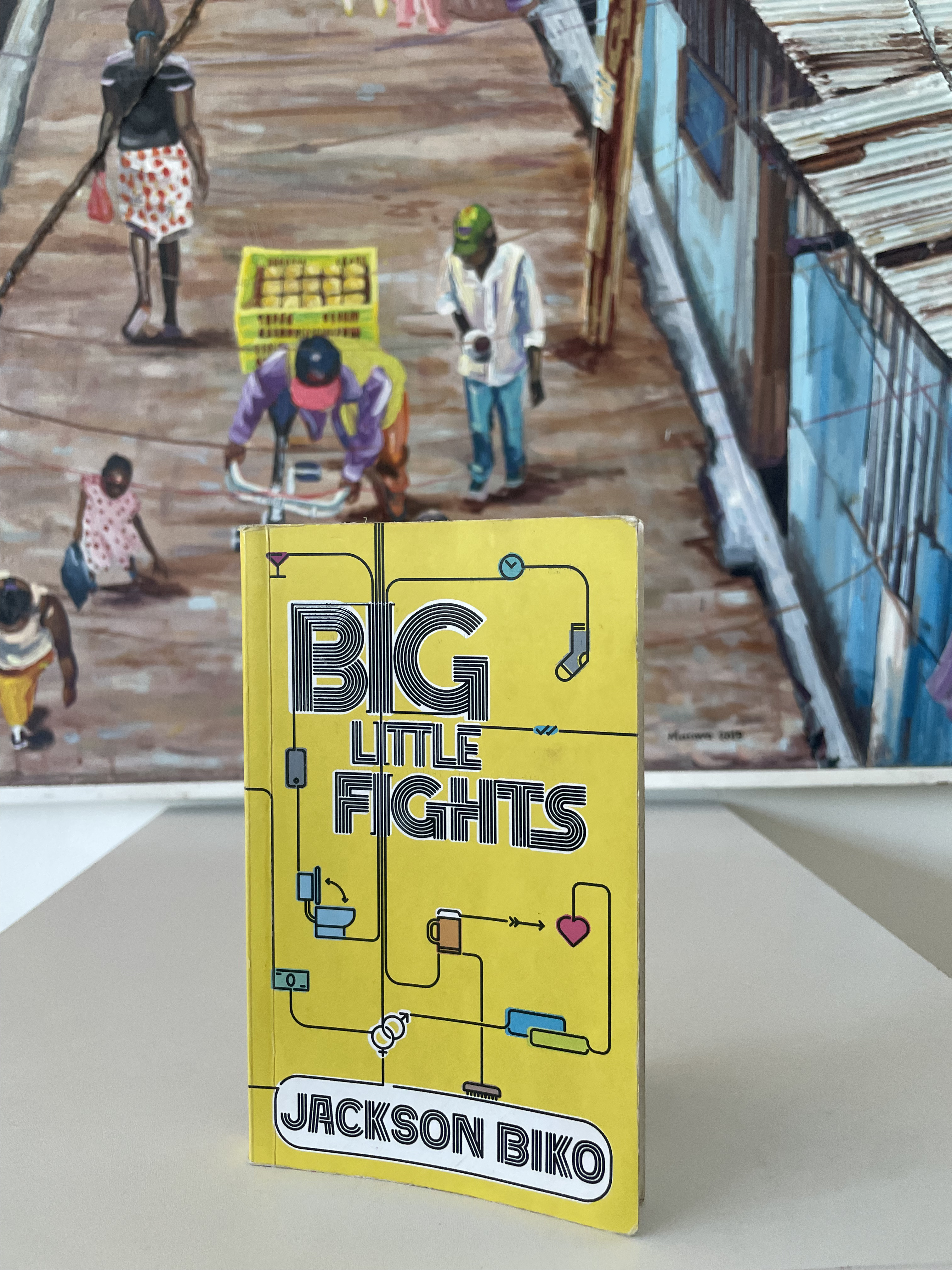
Cultural and generational tensions also permeate the book. Traditional frameworks of marriage—rooted in obedience, domesticity, and defined gender roles—clash with contemporary values of equality, independence, and self-expression. Biko demonstrates how these tensions play out in everyday disagreements, illustrating the broader societal shifts influencing modern love.
.png)
His Only Wife by Peace Adzo Medie begins with Elikem absent on his wedding day, represented instead by his brother Richard. It is a story that peels back the curtain on marriage, family pressure, and the politics of beauty in African society.

This book is utterly charming, laugh‑out‑loud funny, and deeply moving. It portrays resilience — how children raised by grandparents in the countryside, by a nanny in the city and then at boarding school, with little parental presence, can grow up self‑reliant and perceptive. It’s a voice seldom heard in children’s literature and one that heralds a new and powerful wave of African storytelling by Africans, for Africans
