
Latest Article
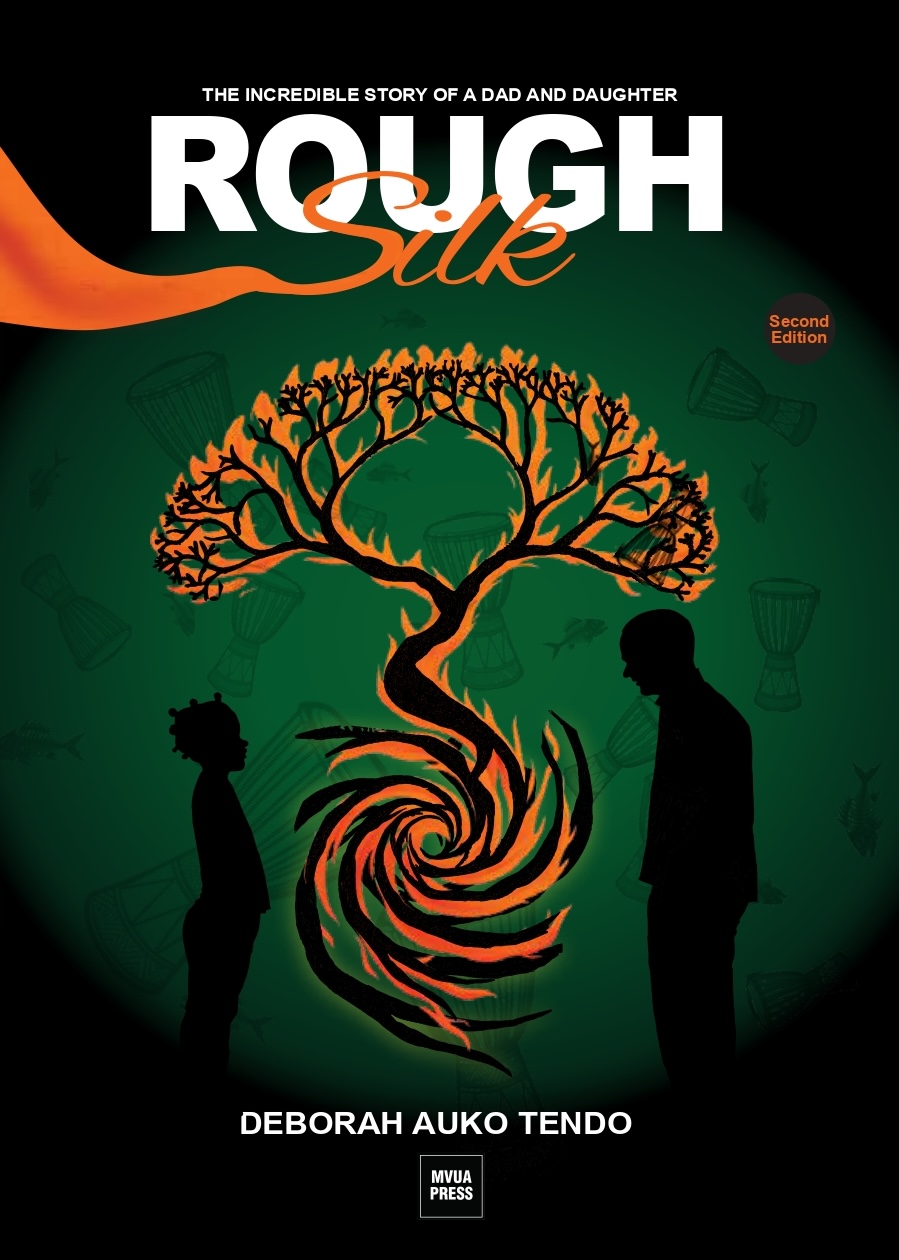
Hints of Baba: Tendo’s ‘Rough Silk’ wins TBC runners-up award
Spanning 69 years, Rough Silk traces the life of George Auko—a man whose very birth feels steeped in myth. When Achieng Nyongalo gives birth beneath the Otho tree, her blood feeding into the soil as she takes her last breath, Auko’s life begins as hers ends. It is a moment that feels less like coincidence and more like design—an intervention of Juok, the unseen hand that shapes destiny in Luo cosmology.
Filter

Womanisers make naïve girls think they are the most loved persons in the world, only to realise that they were all along being led down the garden path.

Confronted with mind-numbing crimes, it is writers like Kasaine who step up to the plate, use their imagination and help us make sense of these events.

The hybrid nature of the Fair—combining panel discussions, master classes, experiential activities, and book sales—made it wholesome and even more vibrant than the first edition.
