
Latest Article
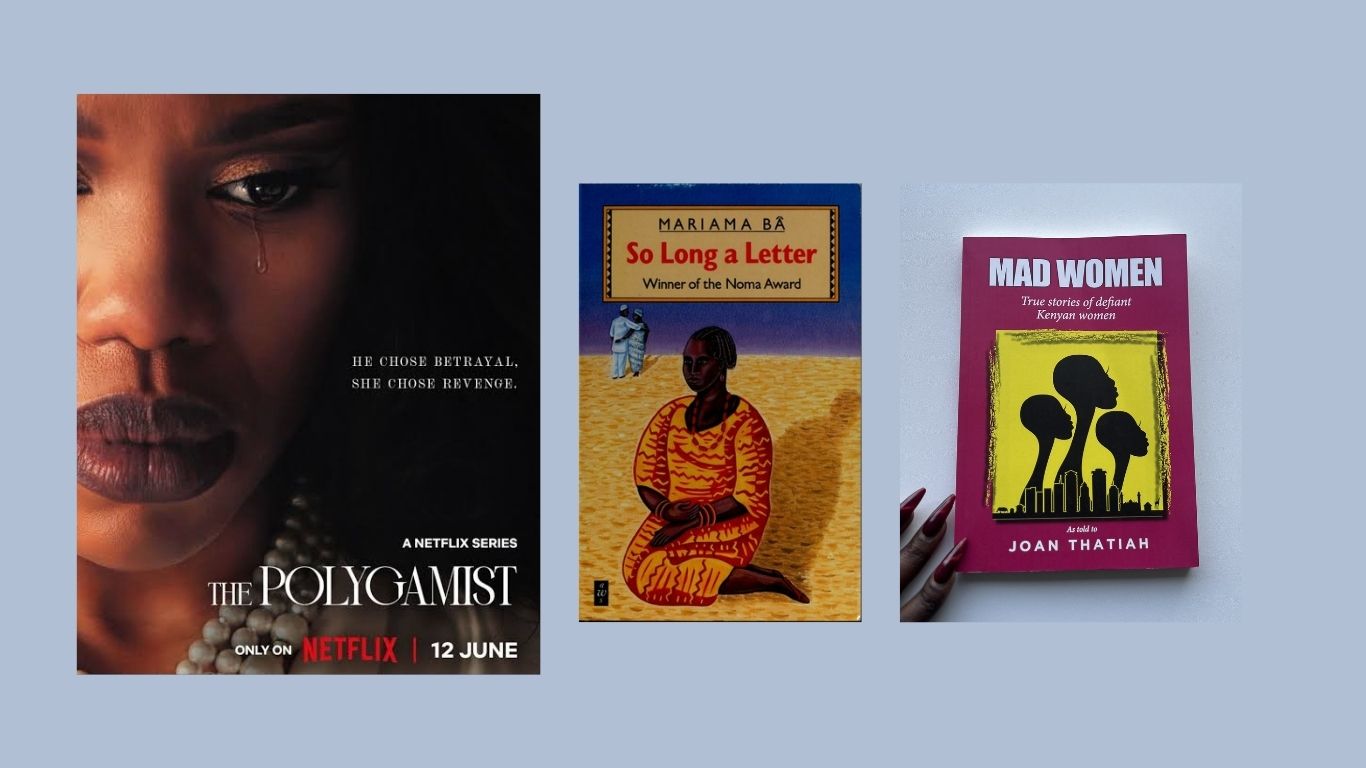
"The Polygamist" and the shame of being seen loving
Anthropologists and historians have long distinguished between polygyny—the practice of one man having multiple wives—and infidelity or promiscuity. Across many African societies, polygyny operated within communal structures. Wives generally knew one another. Senior wives held authority. Children belonged not only to parents but to extended families. Marriage itself was understood as a union between lineages rather than merely two individuals.
Filter

The sudden death of a pious Man of God saddened and worried me. What kind of man would the white smoke billowing out of the Vatican’s Sistine Chapel unveil to replace him? Would he be a sissy and conniving charlatan or a fearless shepherd with the spine to resolutely poke fingers into the devil’s nose? asks Ted Malanda.

At the heart of Kenya’s literary scene lies a reverence for the past, especially for what Kwani? represented. Its legacy is undeniable, and its contribution to literature in East Africa deserves to be acknowledged. But how long can we keep circling the same conversations?

"There's a market, and there's curiosity about African stories by Africans. We must find our way into that market," says Empress Ciku Kimani-Mwaniki.

Story is an intrinsic part of being human. Whether recounting a challenging ordeal to our friends, explaining why something wasn’t our fault or closing a deal, the fabric of our daily life is woven through story.

This year’s theme, “A Decade of Kenyan Stories – Past, Present & Beyond,” invites reflection not only on what Kenyan writers have accomplished, but where their stories are heading.

If international success is the more viable route, what does that mean for the future of African literature and its relationship with homegrown audiences?
