
Latest Article
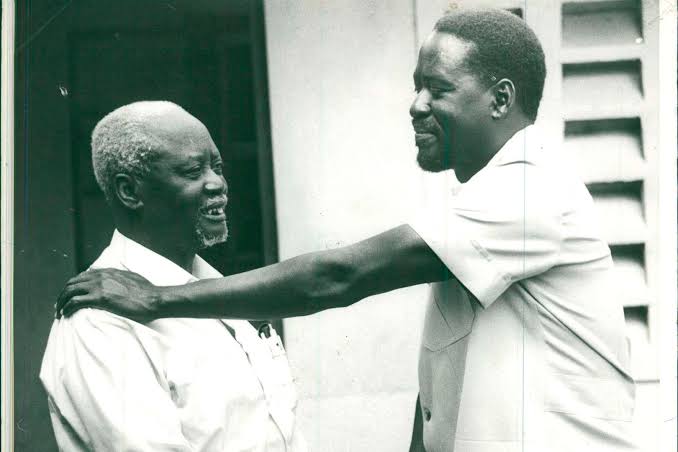
Baba, while you are away: the songs, struggles and contradictions of Raila Odinga
In death, Raila was accorded a state funeral, and the country watched as a man who had spent decades seeking the presidency received the ceremonial honours of a former national leader. The symbolism was striking. He never became president, yet his death occasioned the rituals, public mourning and national attention usually reserved for figures who had occupied the highest office.
Filter
.png)
Cut off from supply lines, the fighters chewed bitter wild roots that left their mouths numb. They drank from cold streams thick with silt. Each night, their stomachs clenched with hunger, their bodies curled against each other for warmth beneath canopies that dripped rain like tears. Yet even in exhaustion, they stared into the darkness and saw freedom shimmering—close enough to feel, yet still beyond reach.
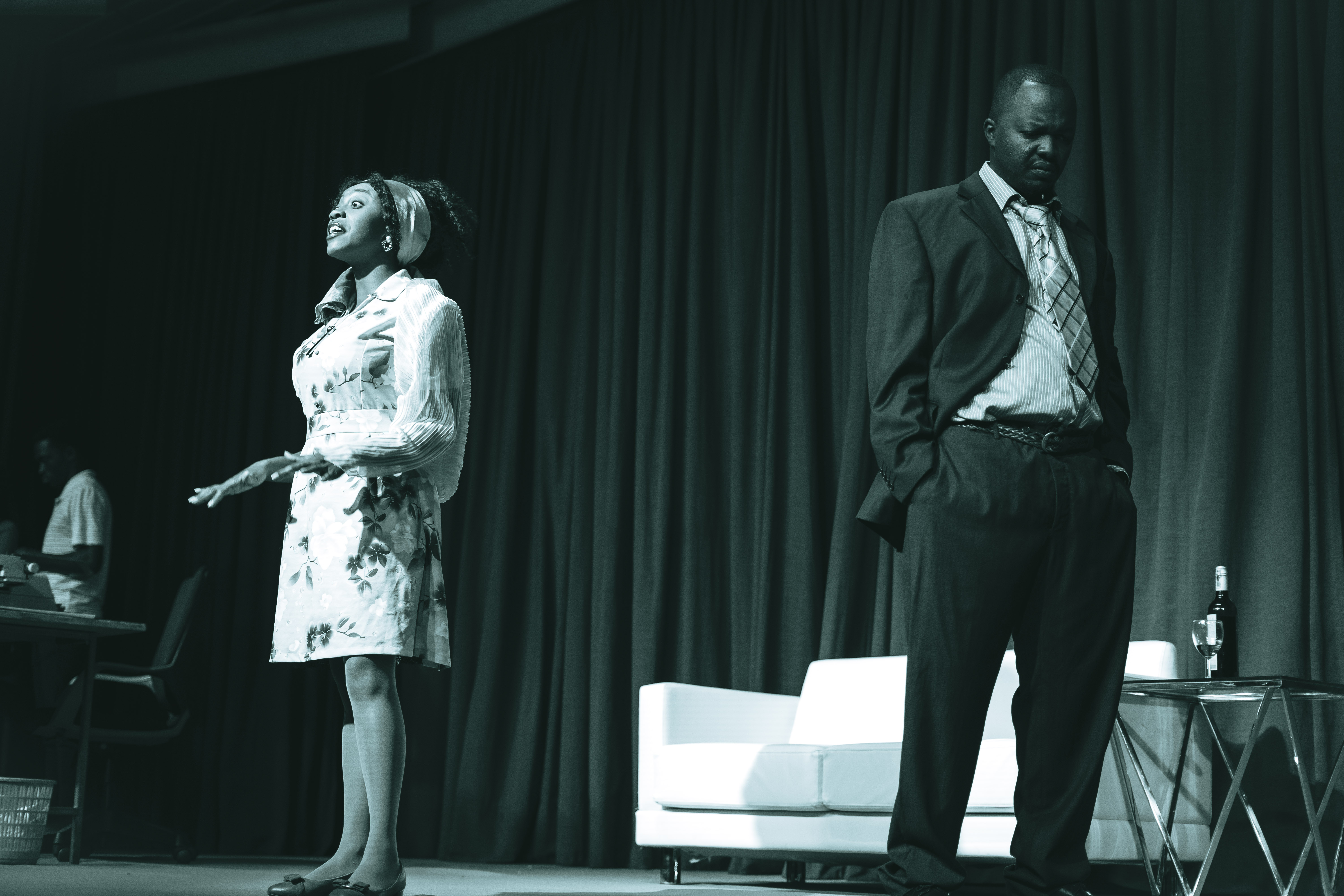
Theatre is like juggling multiple balls at once. You’re in character, but you’re also aware of the audience, your scene partners, and the technical aspects of the show. Occasionally, there’s a moment—maybe fifteen minutes in a two-hour performance—when everything aligns, and you’re fully inside the character. Those moments are magical.
.png)
In Thegio Location of Nyeri, where the resistance burned hottest, Senior Chief Waithaje met a brutal death beneath a Mukuyu tree—fifty men against one, his loyalty to the colonial authorities sealing his fate. To the government, he was a hero. To the Mau Mau, a traitor.
.jpg)
The artists talked about issues facing Kenya, from the economy, to the taxes, to the capitation funds, the debts, the abductions, and the violence.
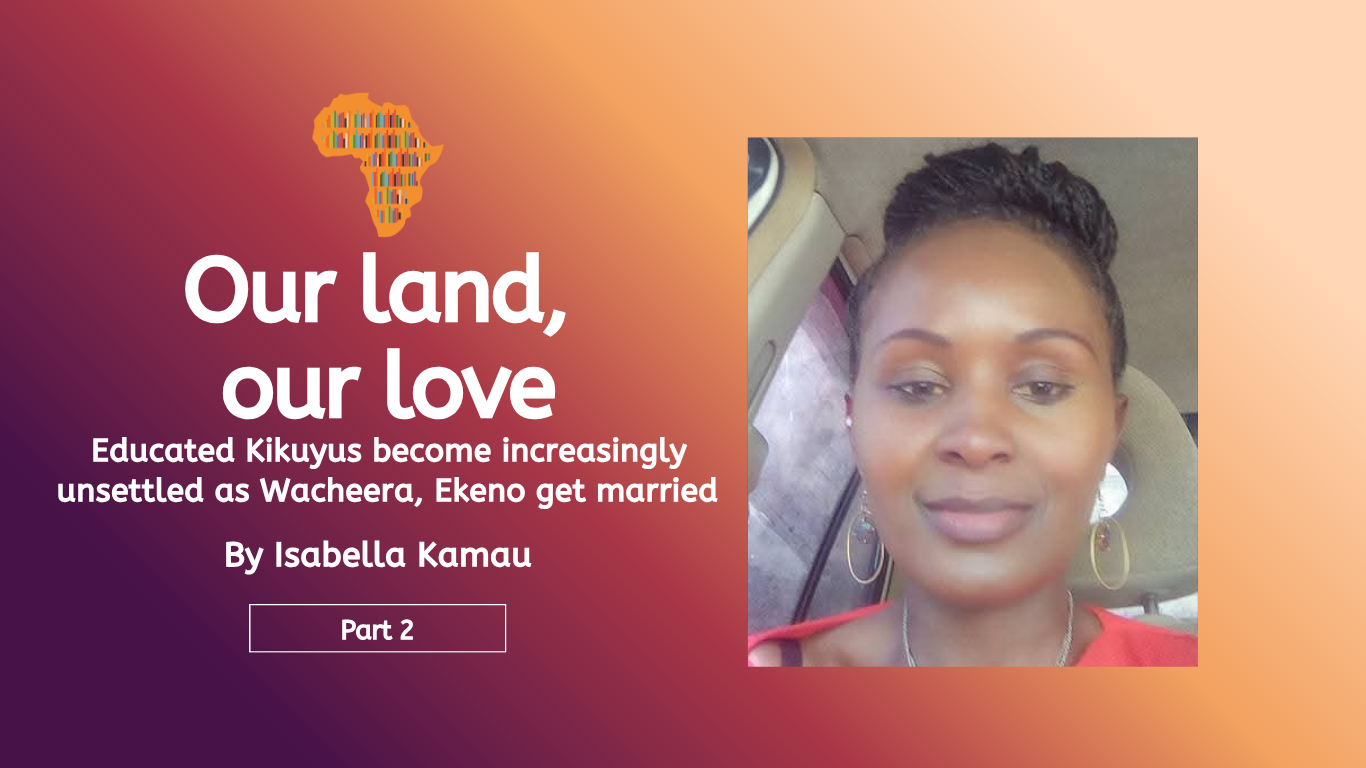
That evening, when he returned, their home felt different—both warmer and heavier. And in the quiet of that small room, as the winds stirred the grass outside and the fire crackled its last, Ekeno clung to her like a man holding onto the last piece of a beautiful dream. He knew his days as a passive observer were ending. Soon, he would join the movement—quietly at first, then fully, body and soul. And if fate demanded it, he would give everything for her, for their unborn children, for the land that had raised him.
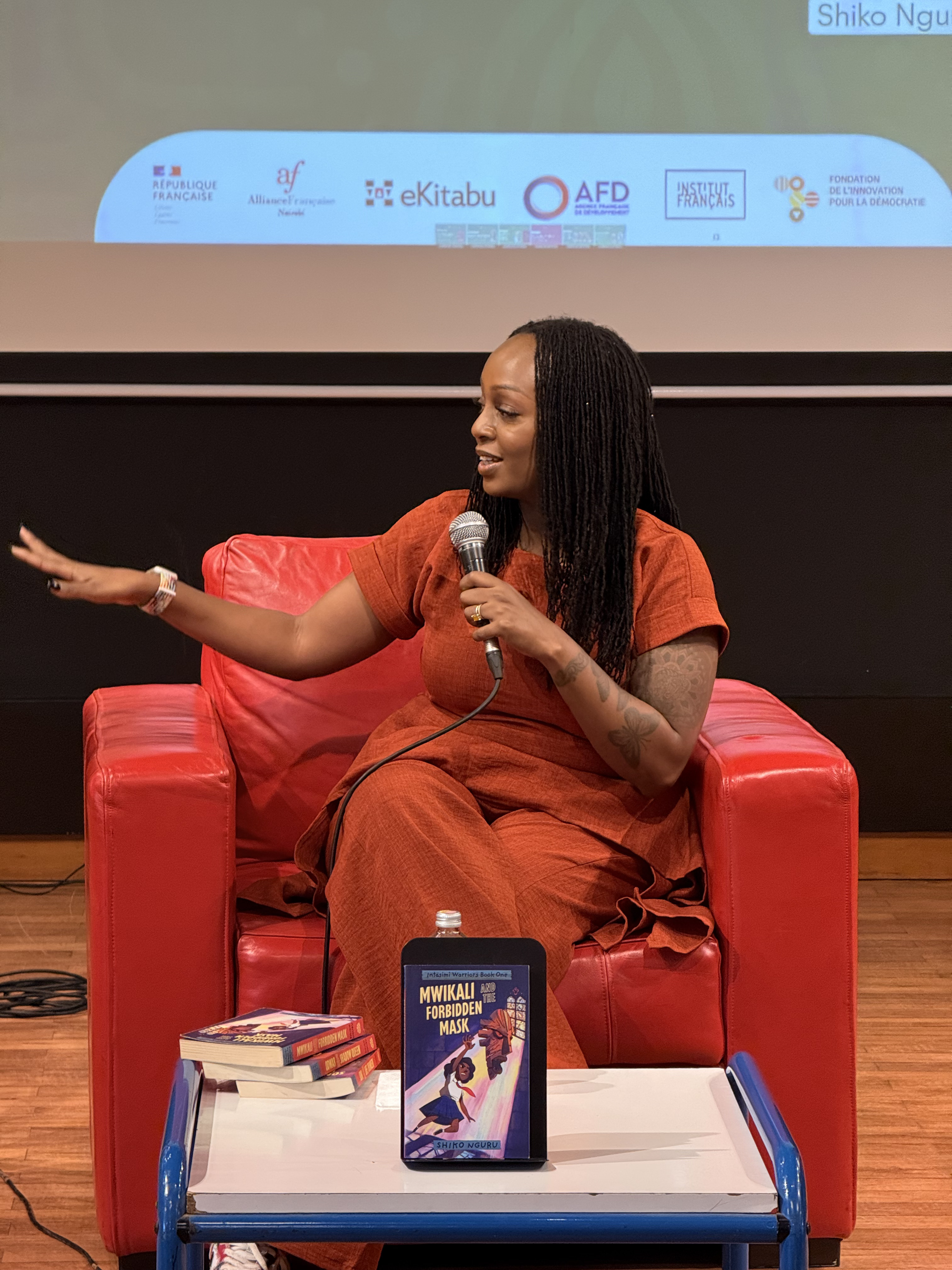
Shiko’s passion for books began in childhood. As a child, she would sometimes fake being unwell at school just so she could sit in the secretary’s office and read the books kept there.
