
Latest Article
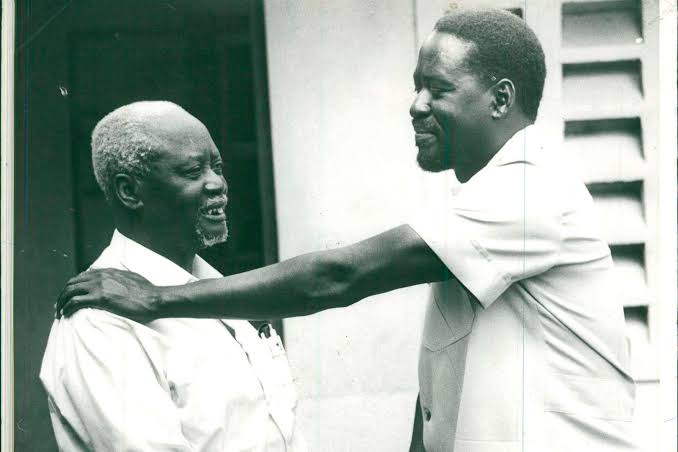
Baba, while you are away: the songs, struggles and contradictions of Raila Odinga
In death, Raila was accorded a state funeral, and the country watched as a man who had spent decades seeking the presidency received the ceremonial honours of a former national leader. The symbolism was striking. He never became president, yet his death occasioned the rituals, public mourning and national attention usually reserved for figures who had occupied the highest office.
Filter

This book is utterly charming, laugh‑out‑loud funny, and deeply moving. It portrays resilience — how children raised by grandparents in the countryside, by a nanny in the city and then at boarding school, with little parental presence, can grow up self‑reliant and perceptive. It’s a voice seldom heard in children’s literature and one that heralds a new and powerful wave of African storytelling by Africans, for Africans
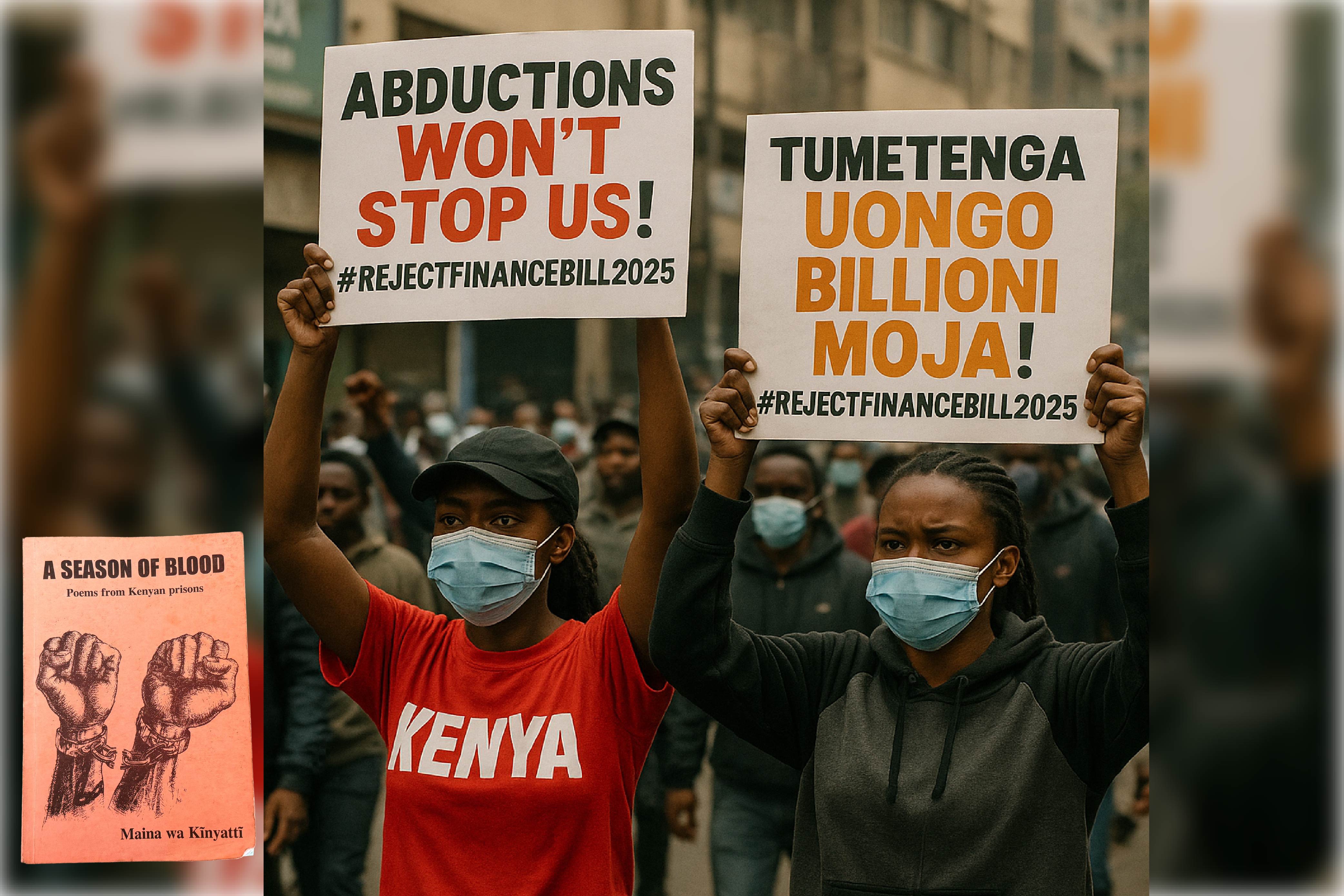
Kinyatti, who was himself taken prisoner for six and a half years in 1982 for writing on the Mau Mau movement during Daniel arap Moi’s regime, intimates the hard conditions and torture prisoners faced.

The challenging aspect of children’s books, says Robert Dersley, is timing. One can throw so much love into the illustrations it can never end.

Flipping through the pages of After 4.30, you’ll find yourself seated beside Emili, Lili, and Beti, women who feel eerily familiar. Women you might recognise. As you read, faces come to mind; some alive, some lost.

Representation in children’s literature is more than just numbers. It is about creating a world where every child can see themselves, in the characters they encounter and the authors who create them.

Kari’s inspiration also drew from the oral stories her mother used to tell — tales filled with ogres, village life and mystical animals. These folk memories, deeply rooted in Kenyan tradition, became the seedbed for her literary world.
