
Latest Article
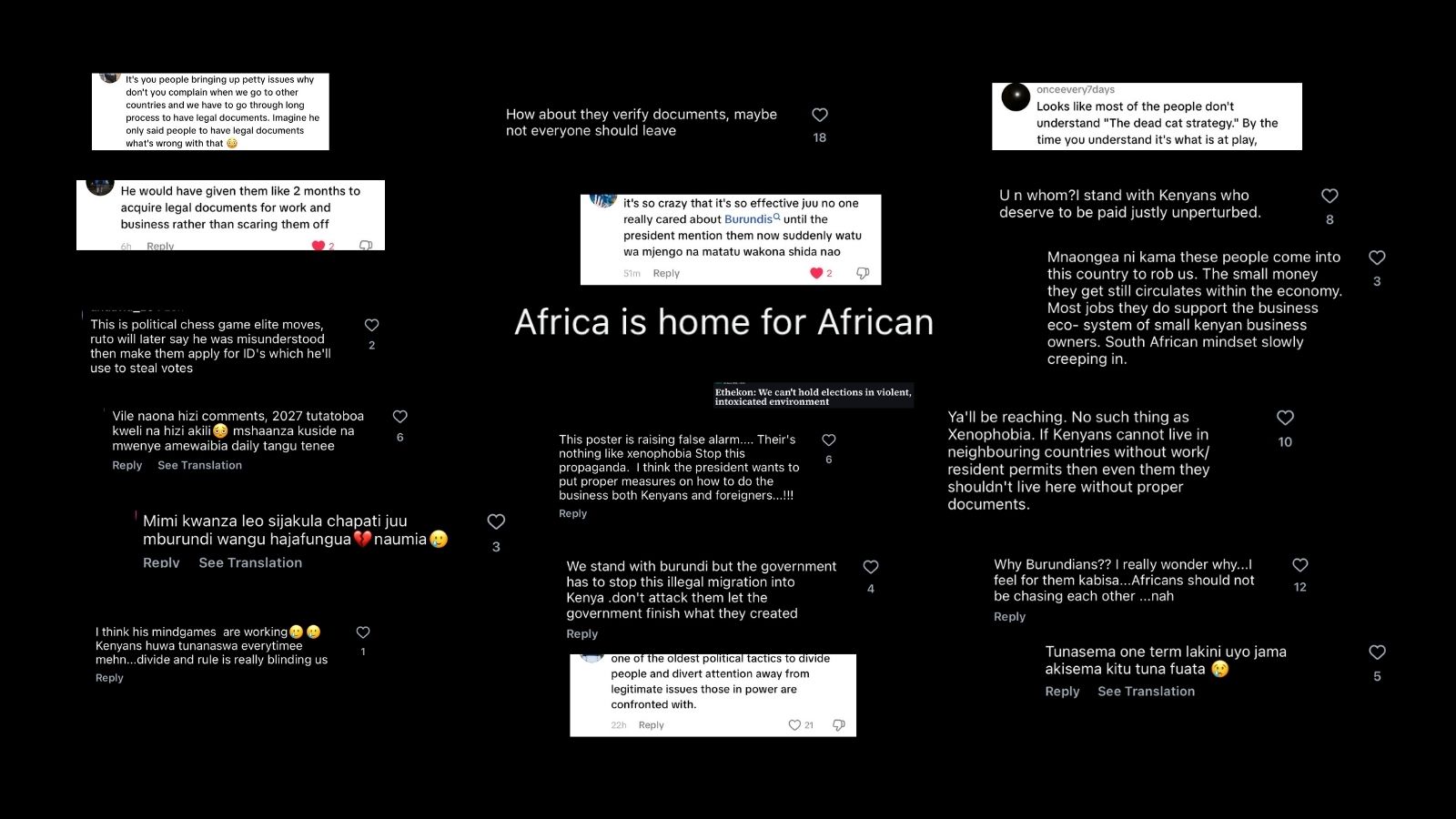
Race and class feature prominently as Kenyan President issues directive that spawns confusion, xenophobic attacks
What happens when a government tests how easily economic frustration can be redirected towards an identifiable group? What happens when people who should be asking why their economy is failing instead begin asking why another African is allowed to sell goods on the same street? What happens when a population is so economically exhausted that all it needs is a target?
Filter

At the heart of Kenya’s literary scene lies a reverence for the past, especially for what Kwani? represented. Its legacy is undeniable, and its contribution to literature in East Africa deserves to be acknowledged. But how long can we keep circling the same conversations?

"There's a market, and there's curiosity about African stories by Africans. We must find our way into that market," says Empress Ciku Kimani-Mwaniki.

Story is an intrinsic part of being human. Whether recounting a challenging ordeal to our friends, explaining why something wasn’t our fault or closing a deal, the fabric of our daily life is woven through story.

This year’s theme, “A Decade of Kenyan Stories – Past, Present & Beyond,” invites reflection not only on what Kenyan writers have accomplished, but where their stories are heading.

If international success is the more viable route, what does that mean for the future of African literature and its relationship with homegrown audiences?

Imagine a time when topics like abortion, sexual harassment, and even women demanding equality in the bedroom were almost unspeakable—yet Maillu dared to write about them.
