
Latest Article
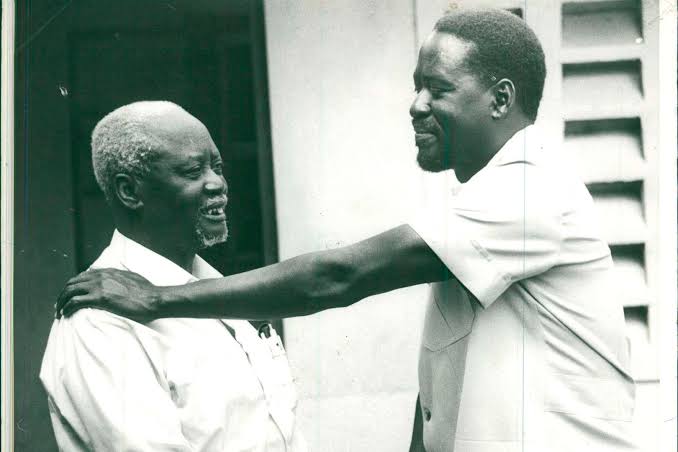
Baba, while you are away: the songs, struggles and contradictions of Raila Odinga
In death, Raila was accorded a state funeral, and the country watched as a man who had spent decades seeking the presidency received the ceremonial honours of a former national leader. The symbolism was striking. He never became president, yet his death occasioned the rituals, public mourning and national attention usually reserved for figures who had occupied the highest office.
Filter
.png)
Kavuki earned a new name—Queen of the Village; this was because they felt she had become the model of the village. She was consulted on various issues, but the conservative village church remained undecided on whether to declare her a woman of God or something else. Her single way of living symbolised great temptation. They would rather hear she was under MuthengI's care. But religious or not, Kavuki had many people who defended her. More voices were coming up to say, "Kavuki is a modern woman."
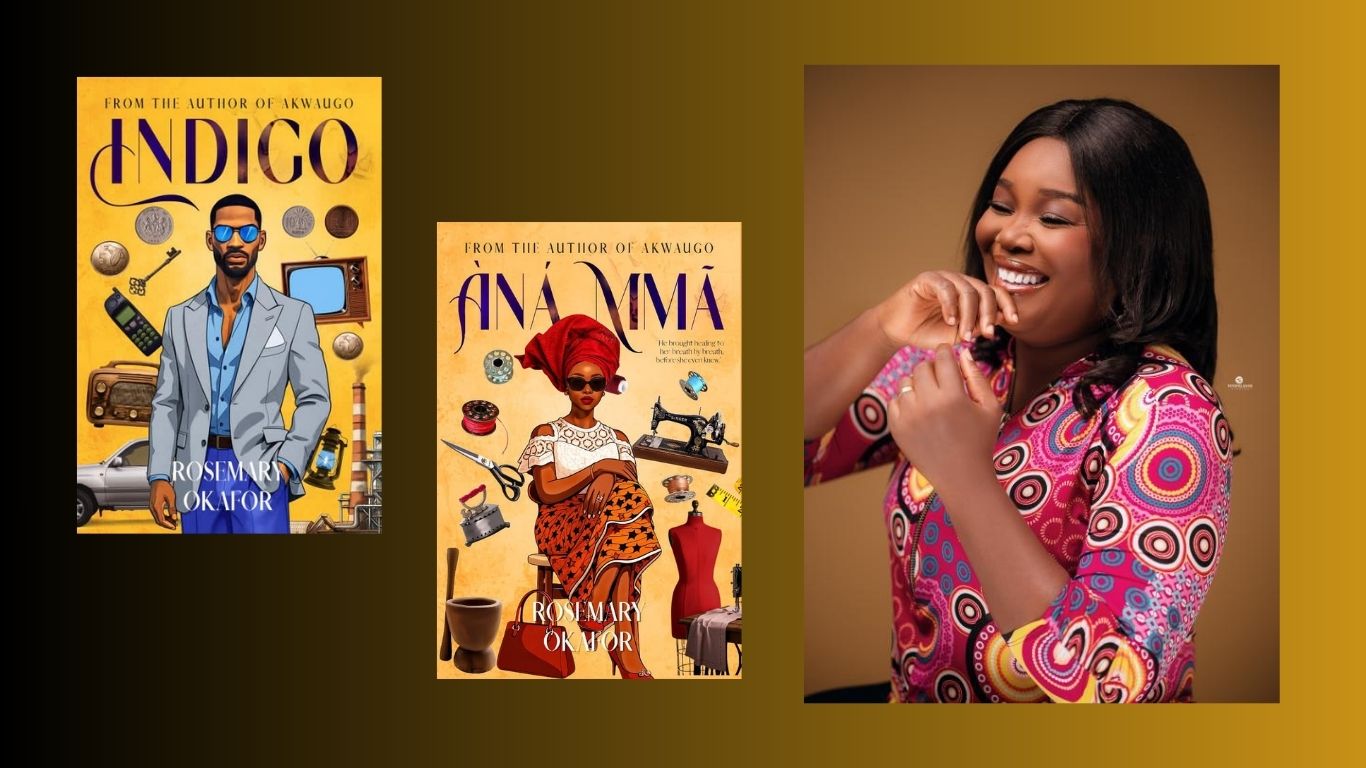
We also need more emotionally mature romance, stories that do not rush to resolution, or reduce love to chemistry alone. Love can be tender and still be complicated. It can be beautiful and still require difficult decisions.
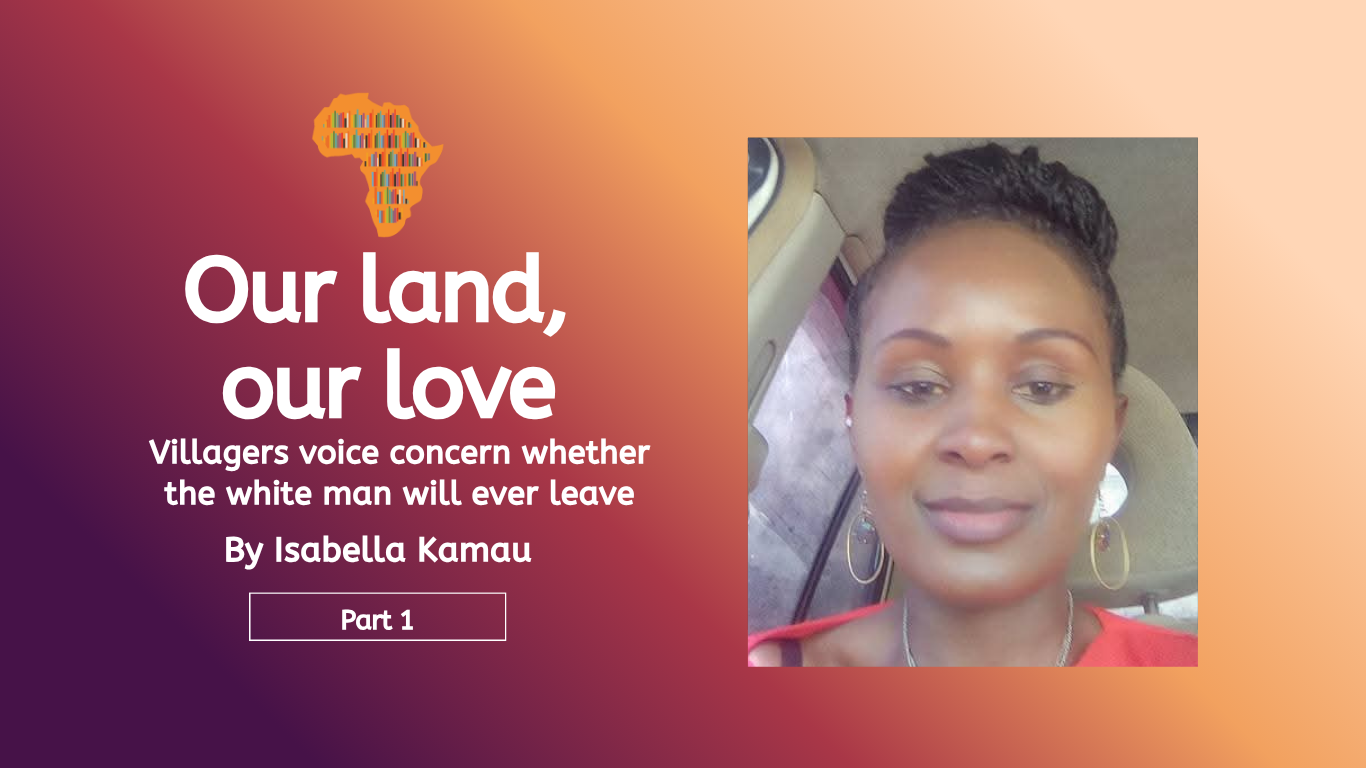
Wacheera remembered the way her grandmother’s voice had dropped into something softer, heavier. “When they finally came, they were few. We welcomed them with open hands and warm food. We believed they were only passing through. But little by little, they planted their feet and their flags. And before we knew it, we were the ones asking for space on land that remembered only our footsteps.”
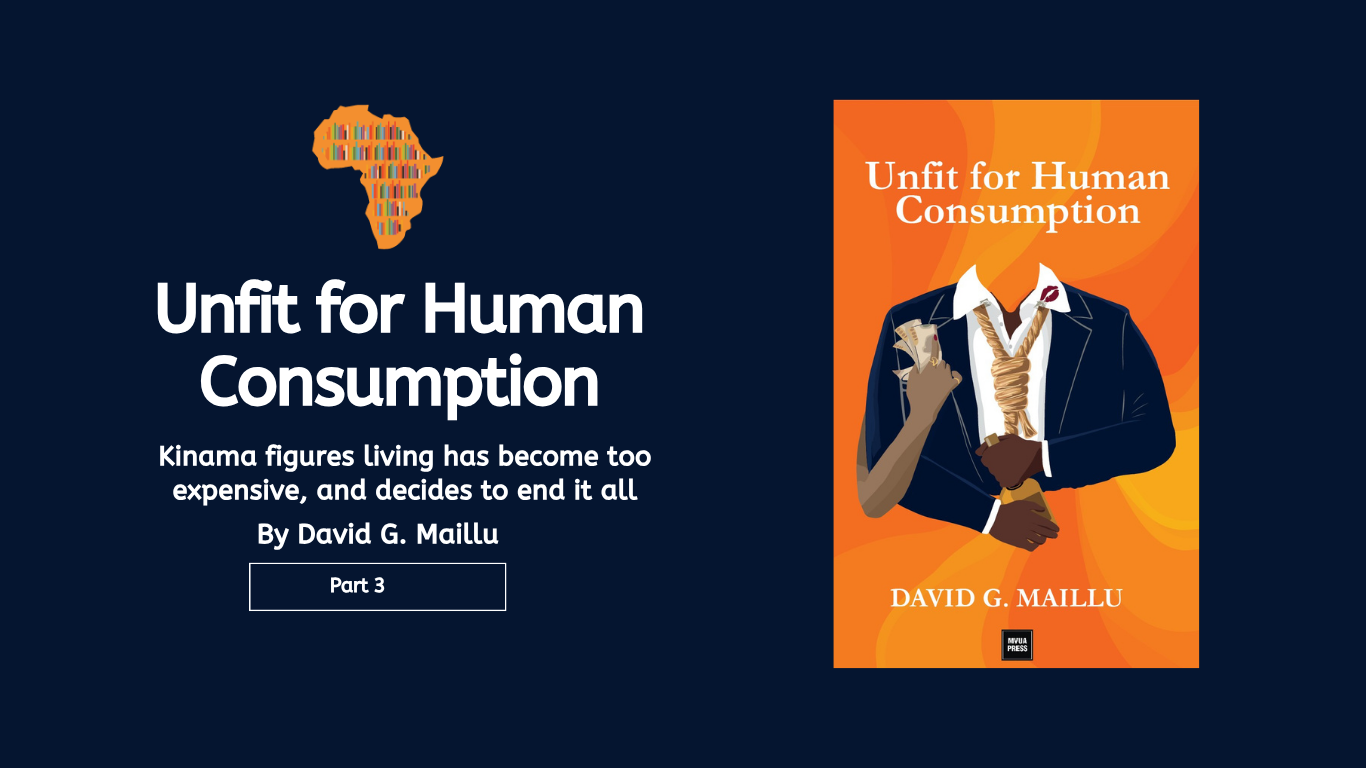
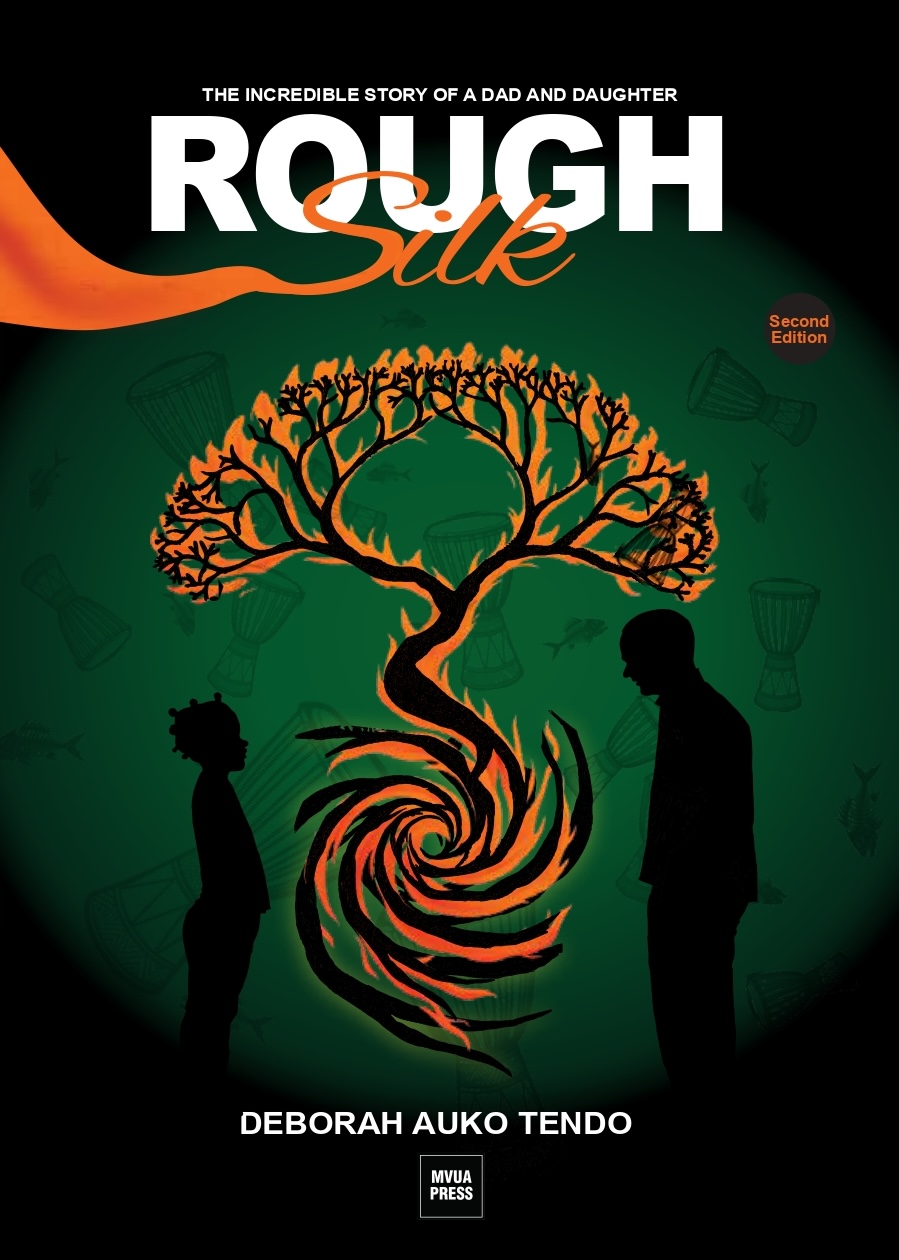
Spanning 69 years, Rough Silk traces the life of George Auko—a man whose very birth feels steeped in myth. When Achieng Nyongalo gives birth beneath the Otho tree, her blood feeding into the soil as she takes her last breath, Auko’s life begins as hers ends. It is a moment that feels less like coincidence and more like design—an intervention of Juok, the unseen hand that shapes destiny in Luo cosmology.
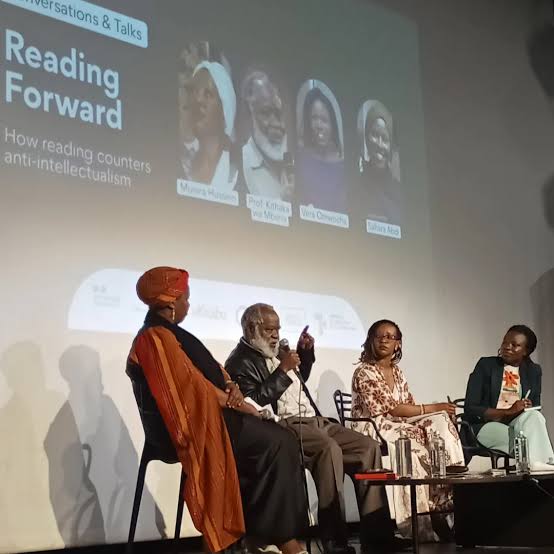
Panellists shared how social media has made us have “brain rot”. It has shaped our perceptions and ideologies and made us rely on small talk and conversations that don’t build but rather take away our knowledge.
