
Latest Article
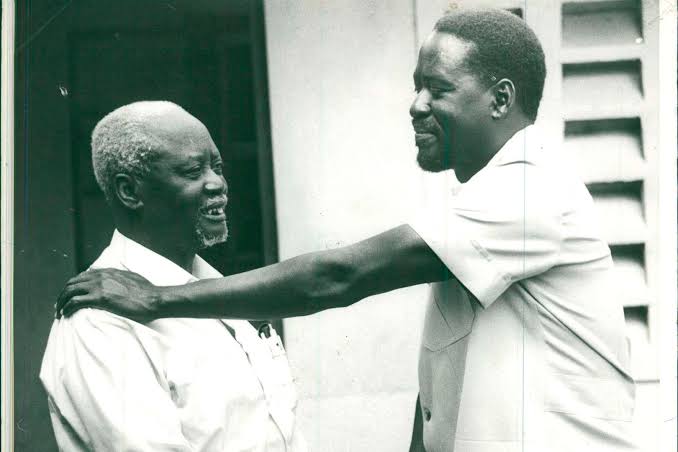
Baba, while you are away: the songs, struggles and contradictions of Raila Odinga
In death, Raila was accorded a state funeral, and the country watched as a man who had spent decades seeking the presidency received the ceremonial honours of a former national leader. The symbolism was striking. He never became president, yet his death occasioned the rituals, public mourning and national attention usually reserved for figures who had occupied the highest office.
Filter

In many ways, the festival became a space where women’s contributions to liberation movements were repositioned from the margins to the centre. Rather than appearing as secondary figures within nationalist narratives, women were discussed as organisers, strategists, educators, and custodians of collective memory

From 7 to 9 May, the Alliance Française de Nairobi will host the fifth edition of Africa Forward Fest, now expanded into a pan-African platform that brings together writers, publishers, translators, and cultural thinkers from across the continent. Timed ahead of the Africa Forward Summit, the festival arrives with a clear sense of intent: To move beyond celebration and into the harder work of connection, circulation, and influence.
Perhaps, after all, he had been in love with her despite her loose life. Such a beautiful woman, he lamented. Her voice haunted him, Oh Jona, you’re such a wonderful man Jona, you know your job, she cried whenever they were making love. Unfortunately, Anita had a mysterious character named Maruka who “kept” her. Perhaps, after the bitter incident that nearly cost Kinama his life, Maruka had decided to hide Anita in a secret place. Or perhaps he had murdered her; he was the kind of man who would murder a woman if provoked seriously
Now I have become a man, he thought. Dear Eve, where is that Ema now so we can play darts together? But his mind could not dwell on one thought for a minute anymore. Why should he waste his time thinking about a woman who could as well be somebody’s wife? With that thought, he started walking automatically, yet hunting with his eyes… or just waiting for the right thought. A pretty, small girl with round features passed by him fast, sounding her heels on the pavement. He thought she walked elegantly and seductively. What about her? He was thinking about her when he collided with a man shoulder-to-shoulder.
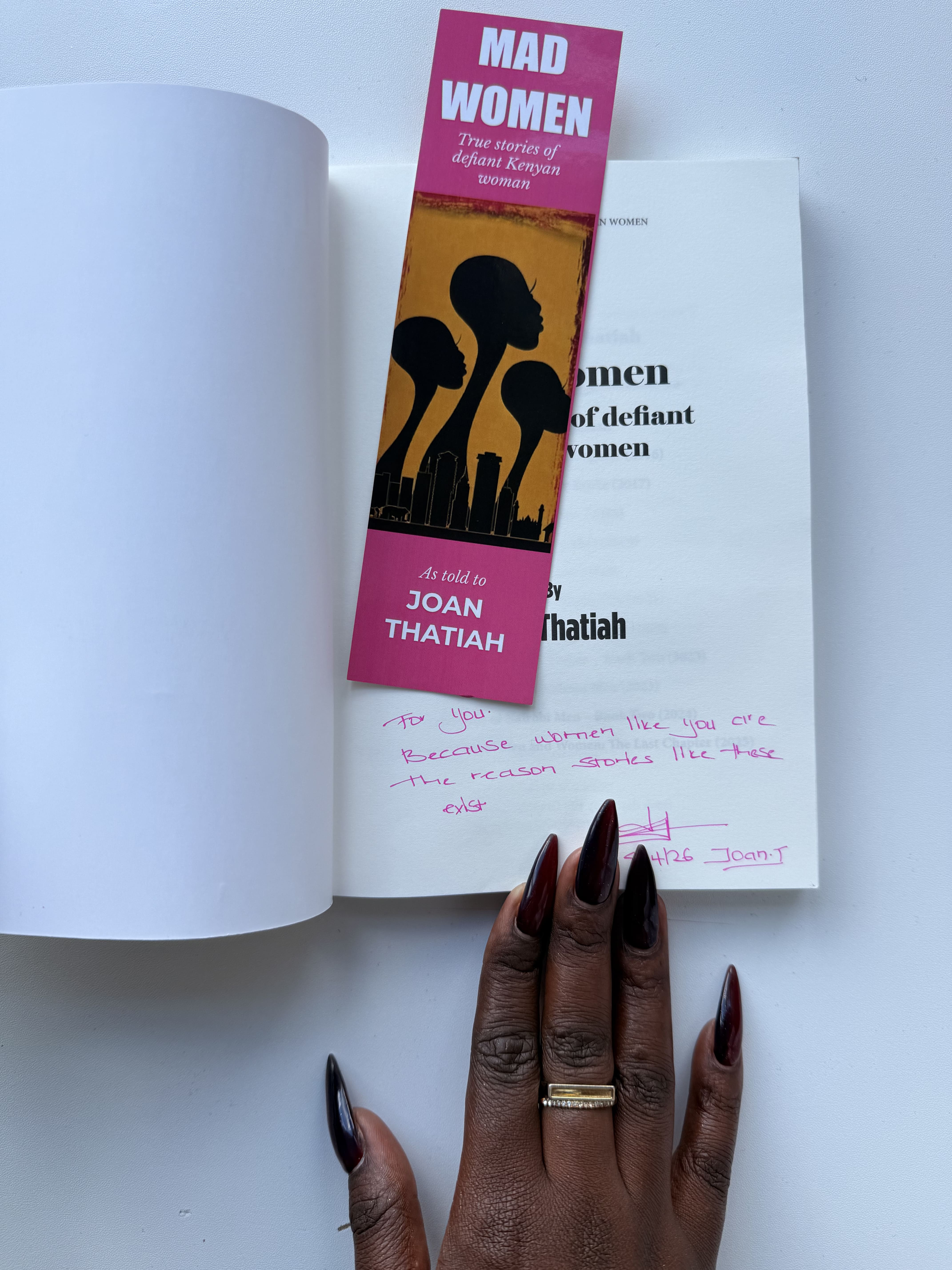
Last week, while writing about Joan Thatiah’s Mad Women, I returned again and again to Zawadi, a young woman whose life ends after a clandestine abortion in a residential apartment. This week, reality has caught up with literature. The Court of Appeal in Kenya has overturned the 2022 High Court decision that had recognised access to abortion under limited constitutional circumstances, holding instead that abortion is not a standalone fundamental right under the Constitution of Kenya 2010.
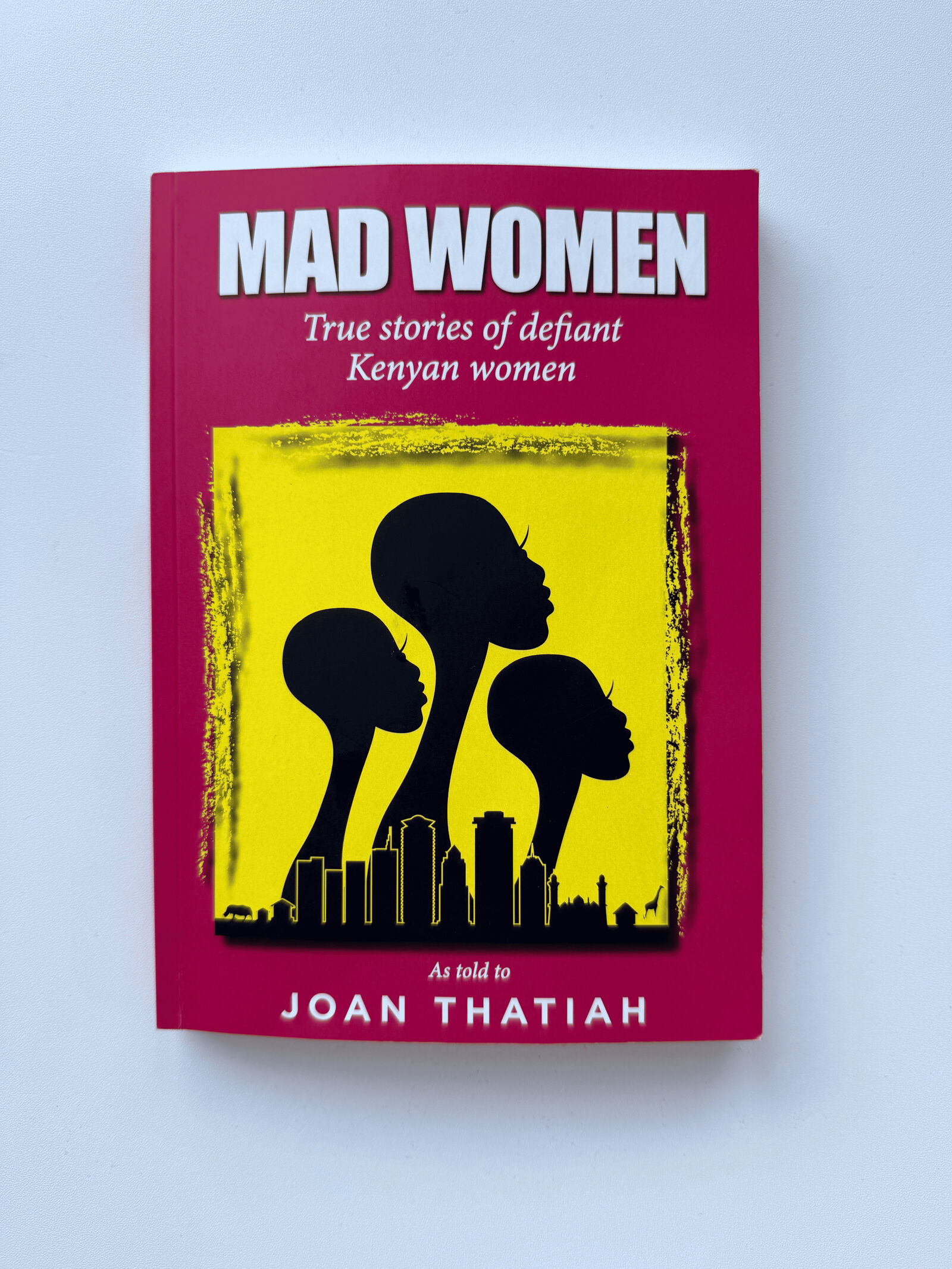
These are not just stories, they are recognisable and lived realities. The topic of abortion remains a hushed one spoken in codes and euphemisms on platforms like TikTok, where creators, anonymous or not, refer to pregnancy as “the stranger in my womb”, quietly building communities of support for women navigating impossible choices.
