
Latest Article

Women are the ones doing the work, so why are they not involved in determining who gets to lead?
Writing in My Life on the Road, Gloria Steinem reflected on the cost of this uneven distribution of opportunity, saying she was “angry about the human talent that was lost just because it was born into a female body, and the mediocrity that was rewarded because it was born into a male one.” It is a particularly useful way of thinking about the leadership gap because what is lost is not simply a woman's promotion or a seat at a table. It is the talent an institution may never discover because it did not give that person the opportunity to exercise authority in the first place.
Filter
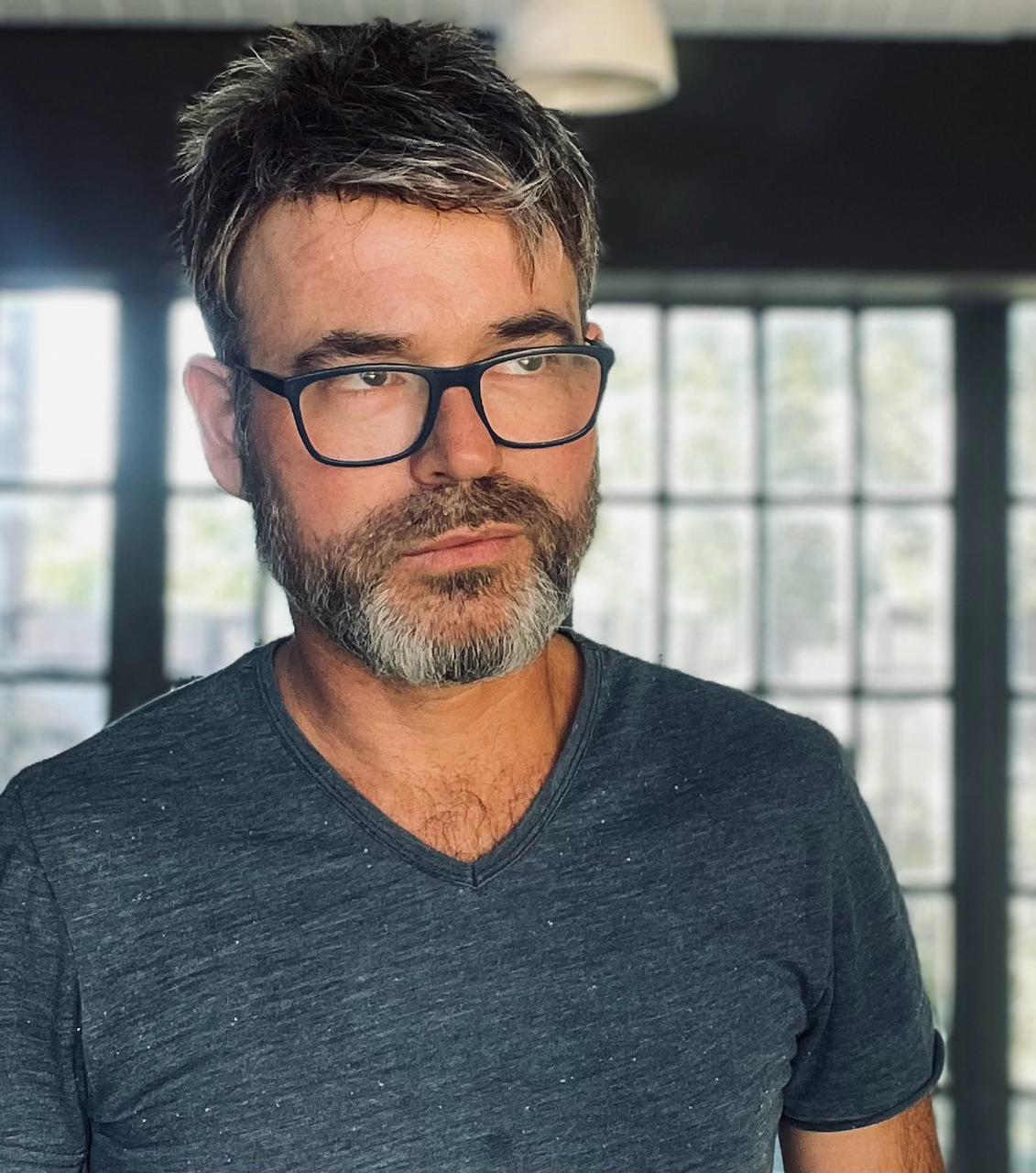
The challenging aspect of children’s books, says Robert Dersley, is timing. One can throw so much love into the illustrations it can never end.

Flipping through the pages of After 4.30, you’ll find yourself seated beside Emili, Lili, and Beti, women who feel eerily familiar. Women you might recognise. As you read, faces come to mind; some alive, some lost.

Representation in children’s literature is more than just numbers. It is about creating a world where every child can see themselves, in the characters they encounter and the authors who create them.

Kari’s inspiration also drew from the oral stories her mother used to tell — tales filled with ogres, village life and mystical animals. These folk memories, deeply rooted in Kenyan tradition, became the seedbed for her literary world.

Promoting Marxism was the turning point of Ngugi in ruffling feathers with President Jomo Kenyatta, who was pro-capitalism. Kenyatta went after Ngugi and threw him into detention for interfering with the political kitchen.

The revised edition stays true to the raw, unfiltered emotion that made the original book such a hit. Nothing fundamental has changed in the book, and that’s the beauty of it. The stories remain intact: bold, unapologetic, and true to Maillu’s original voice. What’s new is the editorial sprucing up.
