
Whose Right to Life? Reading Kenya’s Abortion Ruling Through Mad Women
Whose Right to Life? Reading Kenya’s Abortion Ruling Through Mad Women
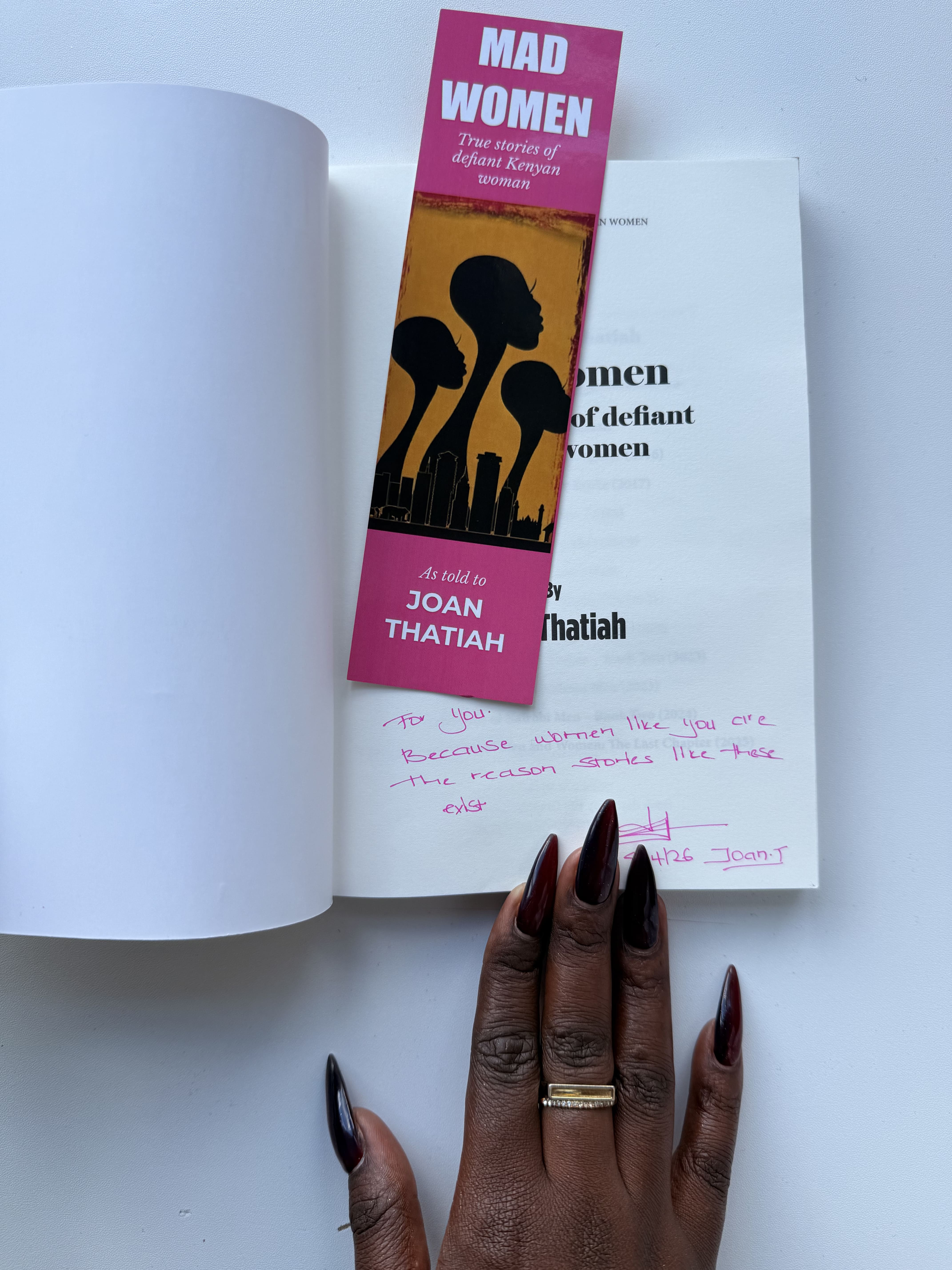
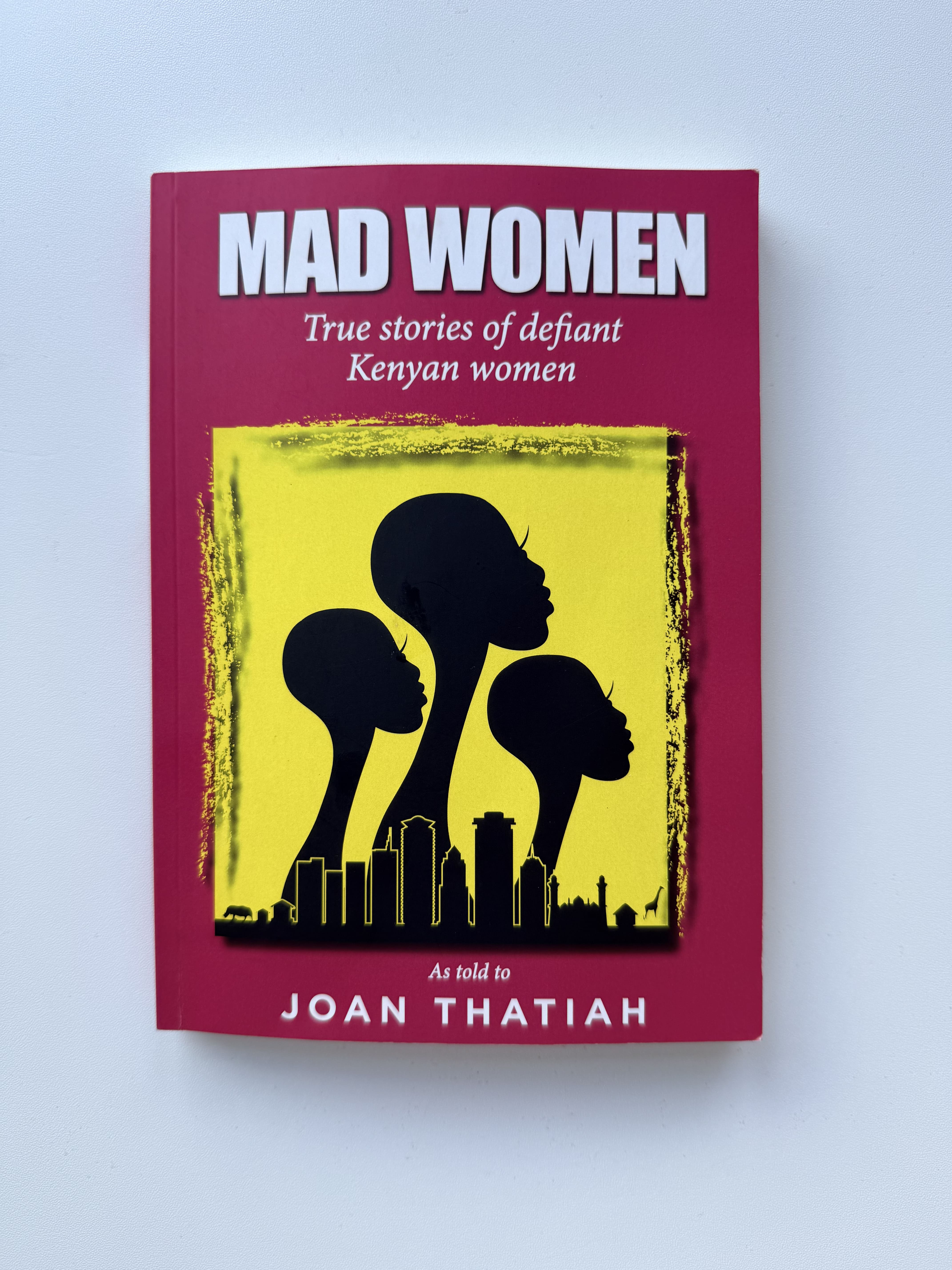
Last week, while writing about Joan Thatiah’s Mad Women, I returned again and again to Zawadi, a young woman whose life ends after a clandestine abortion in a residential apartment. This week, reality has caught up with literature. The Court of Appeal in Kenya has overturned the 2022 High Court decision that had recognised access to abortion under limited constitutional circumstances, holding instead that abortion is not a standalone fundamental right under the Constitution of Kenya 2010.
The court further reaffirmed that the right to life begins at conception. It is a phrase that carries immense moral and political weight. Yet phrases, however solemn, do not bleed, panic, haemorrhage, or die on makeshift tables. Women do.
That is what Mad Women understood so sharply. The book is not interested in abstraction. It is interesting in consequence. In the distance between law and life. What happens when policy speaks in principles while women are left to navigate fear, secrecy, violence, poverty, coercion, rape, abandonment, and medical emergencies in real time?
Whenever abortion is debated, the conversation is often framed as a contest between two lives: the foetus and the mother. But this framing can flatten the reality of pregnancy itself. Pregnancy is not a philosophical exercise. It is a physical condition that can transform quickly into a crisis. It can threaten health, derail education, deepen poverty, expose women to violence or in some cases become fatal.
So when we speak of the right to life, whose life do we mean in practice? The life that already exists in the world with relationships, responsibilities, dreams, and vulnerabilities or the life that may come into being? This is not an argument against unborn life. It is an argument against treating the woman carrying it as secondary.
A society serious about life would not stop at conception. It would ask harder questions: What healthcare is available? Can girls report rape safely? Are mothers supported materially? Is emergency obstetric care accessible? Are contraception and counselling affordable? Are women criminalised for seeking help? Is maternal mortality being reduced?
Without the well-being of the mother, talk of protecting life risks becoming incomplete. Without her health, autonomy, and survival, the quality of life of any future child is placed on unstable ground.
This is where the new ruling feels unsettling when read alongside Mad Women. Zawadi’s story is a fictionalised truth: the kind of truth that emerges when silence, stigma, and restriction do not end abortion, but merely push it into the shadows. Laws may prohibit procedures, but they do not erase desperation. They often only decide who can access safety and who cannot.
Kenya now faces a familiar and difficult struggle: How to reconcile moral conviction, constitutional interpretation, and public health reality. That debate will continue in courts, churches, homes, and hospitals.
It should.
But it must include the voices most affected, women themselves.
Perhaps the deeper lesson of Mad Women is this: If we claim to defend life, we must begin by caring for the lives that are already here. Only then can we honestly speak about the lives to come.
Tracy Ochieng is a staff writer with Books in Africa. Email: tracy.ochieng@ekitabu.com

Related Book
Get to know more about the mentioned books
Related Article
Whose Right to Life? Reading Kenya’s Abortion Ruling Through Mad Women
By
Whose Right to Life? Reading Kenya’s Abortion Ruling Through Mad Women
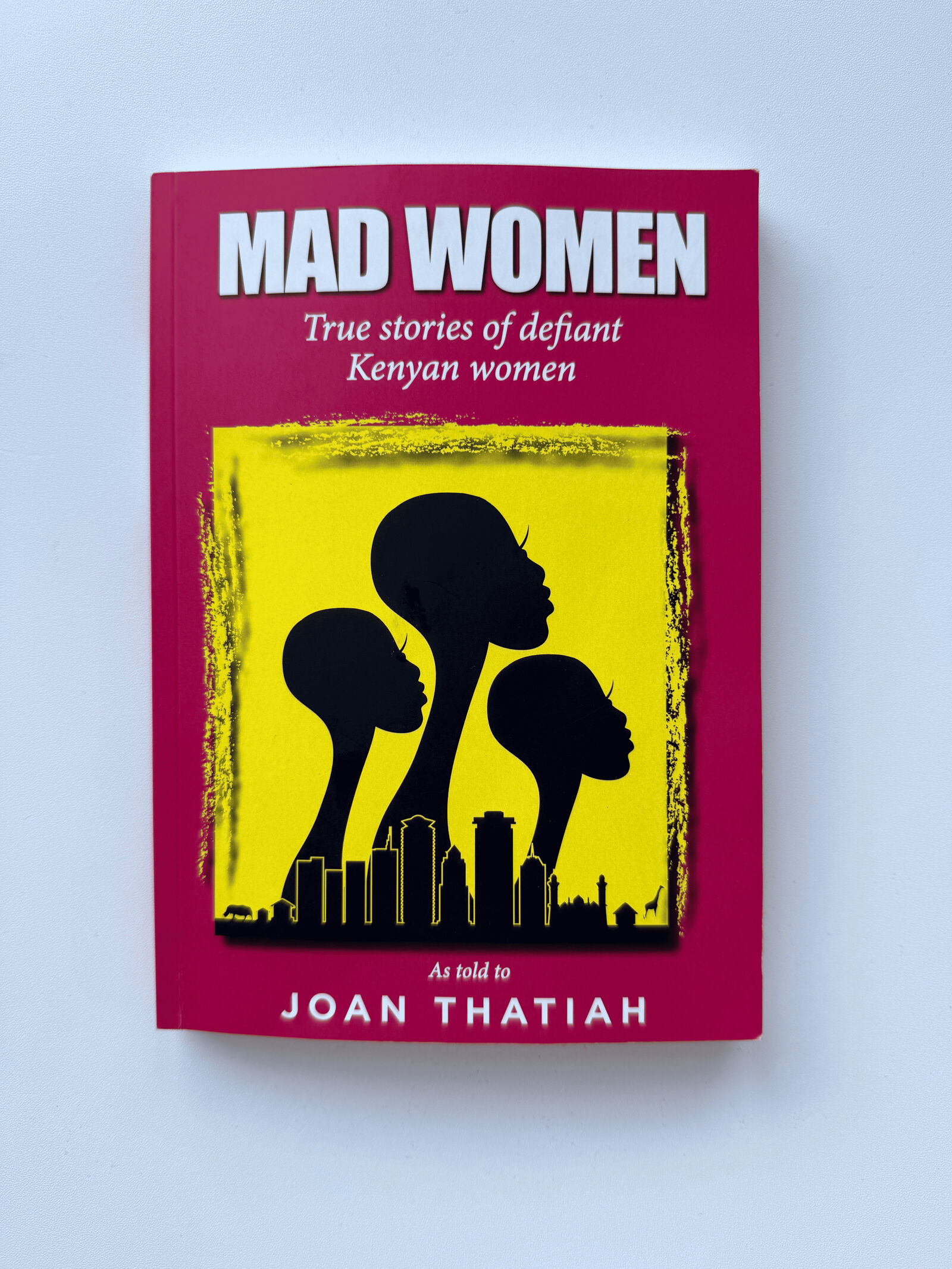
Last week, while writing about Joan Thatiah’s Mad Women, I returned again and again to Zawadi, a young woman whose life ends after a clandestine abortion in a residential apartment. This week, reality has caught up with literature. The Court of Appeal in Kenya has overturned the 2022 High Court decision that had recognised access to abortion under limited constitutional circumstances, holding instead that abortion is not a standalone fundamental right under the Constitution of Kenya 2010.
The court further reaffirmed that the right to life begins at conception. It is a phrase that carries immense moral and political weight. Yet phrases, however solemn, do not bleed, panic, haemorrhage, or die on makeshift tables. Women do.
That is what Mad Women understood so sharply. The book is not interested in abstraction. It is interesting in consequence. In the distance between law and life. What happens when policy speaks in principles while women are left to navigate fear, secrecy, violence, poverty, coercion, rape, abandonment, and medical emergencies in real time?
Whenever abortion is debated, the conversation is often framed as a contest between two lives: the foetus and the mother. But this framing can flatten the reality of pregnancy itself. Pregnancy is not a philosophical exercise. It is a physical condition that can transform quickly into a crisis. It can threaten health, derail education, deepen poverty, expose women to violence or in some cases become fatal.
So when we speak of the right to life, whose life do we mean in practice? The life that already exists in the world with relationships, responsibilities, dreams, and vulnerabilities or the life that may come into being? This is not an argument against unborn life. It is an argument against treating the woman carrying it as secondary.
A society serious about life would not stop at conception. It would ask harder questions: What healthcare is available? Can girls report rape safely? Are mothers supported materially? Is emergency obstetric care accessible? Are contraception and counselling affordable? Are women criminalised for seeking help? Is maternal mortality being reduced?
Without the well-being of the mother, talk of protecting life risks becoming incomplete. Without her health, autonomy, and survival, the quality of life of any future child is placed on unstable ground.
This is where the new ruling feels unsettling when read alongside Mad Women. Zawadi’s story is a fictionalised truth: the kind of truth that emerges when silence, stigma, and restriction do not end abortion, but merely push it into the shadows. Laws may prohibit procedures, but they do not erase desperation. They often only decide who can access safety and who cannot.
Kenya now faces a familiar and difficult struggle: How to reconcile moral conviction, constitutional interpretation, and public health reality. That debate will continue in courts, churches, homes, and hospitals.
It should.
But it must include the voices most affected, women themselves.
Perhaps the deeper lesson of Mad Women is this: If we claim to defend life, we must begin by caring for the lives that are already here. Only then can we honestly speak about the lives to come.
Tracy Ochieng is a staff writer with Books in Africa. Email: tracy.ochieng@ekitabu.com
Share :


Lorem ipsum dolor sit amet, consectetur adipiscing elit. Suspendisse varius enim in eros elementum tristique. Duis cursus, mi quis viverra ornare, eros dolor interdum nulla, ut commodo diam libero vitae erat. Aenean faucibus nibh et justo cursus id rutrum lorem imperdiet. Nunc ut sem vitae risus tristique posuere.
Lorem ipsum dolor sit amet, consectetur adipiscing elit. Suspendisse varius enim in eros elementum tristique. Duis cursus, mi quis viverra ornare, eros dolor interdum nulla, ut commodo diam libero vitae erat. Aenean faucibus nibh et justo cursus id rutrum lorem imperdiet. Nunc ut sem vitae risus tristique posuere.