
Latest Article
.jpg)
10 books every Kenyan should read to understand memory, resistance and democracy
The problem is not that young people have forgotten. It is that too few of us have been taught what came before. History and Government is treated as an elective in our schools, even though understanding a nation's past is as essential to citizenship as reading or writing. A society that leaves its history to choice should not be surprised when collective memory begins to fade.
Filter

Apart from these wild musings, Aliet was surprisingly calm. The contrast between his measured presence and the provocation of his ideas perhaps explains both his devoted following and the unease he stirs in others. Walking beside him made one thing clear: Aliet’s worldview is not merely a set of opinions; it is a mirror reflecting the anxieties and contradictions of modern masculinity. Men claim supremacy yet depend on women for emotional stability; women shrink themselves to be chosen, even when the choosing devalues them; and the narratives we cling to continue to reinforce the very traps we complain about. Aliet may be controversial, but he exposes a truth that many would rather avoid: our relationships are shaped not just by love but by the power we fear losing.
%20(1)%20(1)%20(1).jpg)
The “crazy” things our Gen Z do are no different from what we, our parents or grandparents did. My grandpa, for one, thought my father was an idiot for buying furniture instead of cattle. My father thought I was a numbskull for spending the equivalent of five months' pay on a music system instead of, wait for it, buying cattle! Mark you, clean-shaven I, who once pranced around with a bushy afro to my father’s chagrin, couldn’t stand the strings my son carried around on his head.
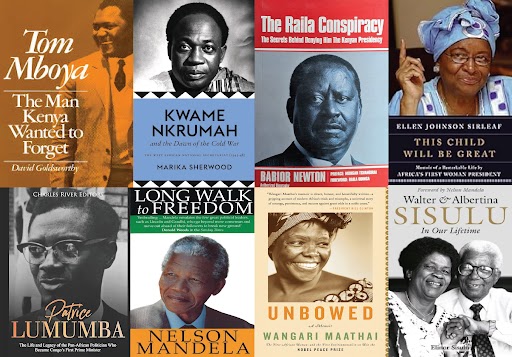
A more fitting legacy would be to immortalize Raila Odinga's thoughts and ideas in books, libraries, documentaries and films.
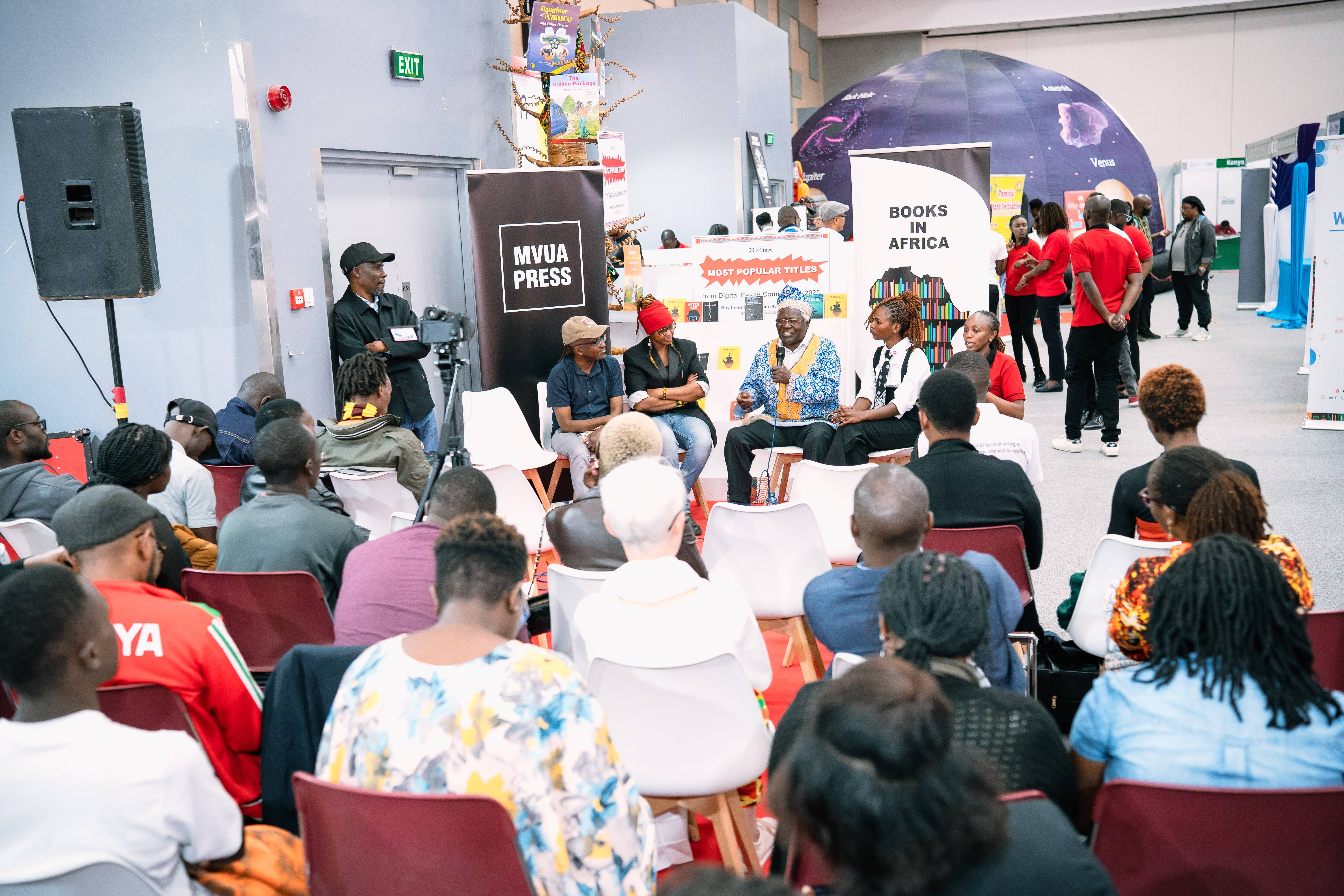
The youthful generation is yearning for information, as times have shown that everyone needs to be updated to avoid making the mistakes that our forefathers made when they were colonised and made to think that they couldn’t think on their own or make sane decisions.
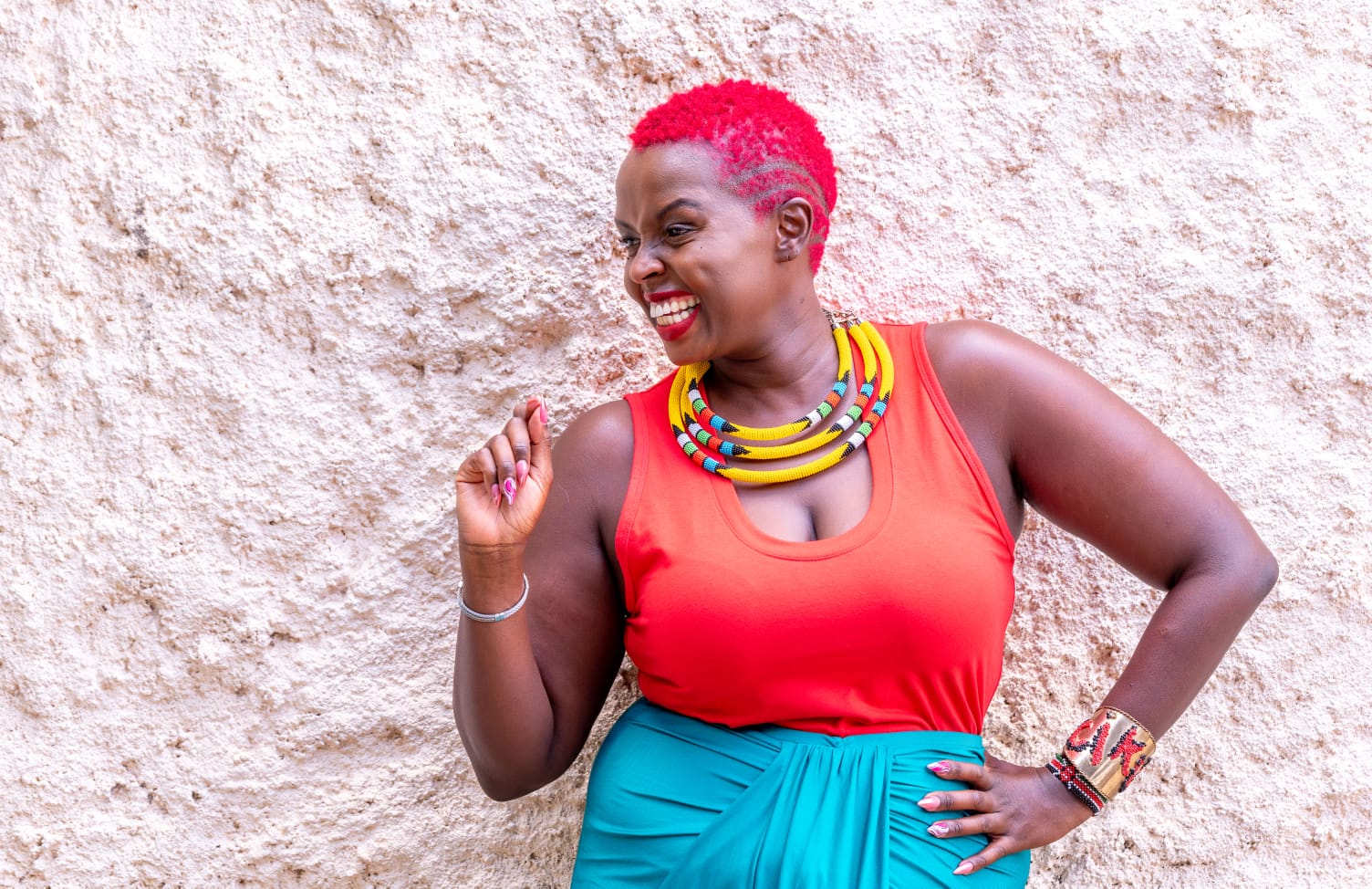
Social media has been transformative. It’s allowing Africans to reclaim stories in real-time—whether it’s TikTokers teaching indigenous languages or Instagram creators reviving ancient textile traditions. Technology is helping bypass traditional gatekeepers, making it easier to tell our stories from our perspective.
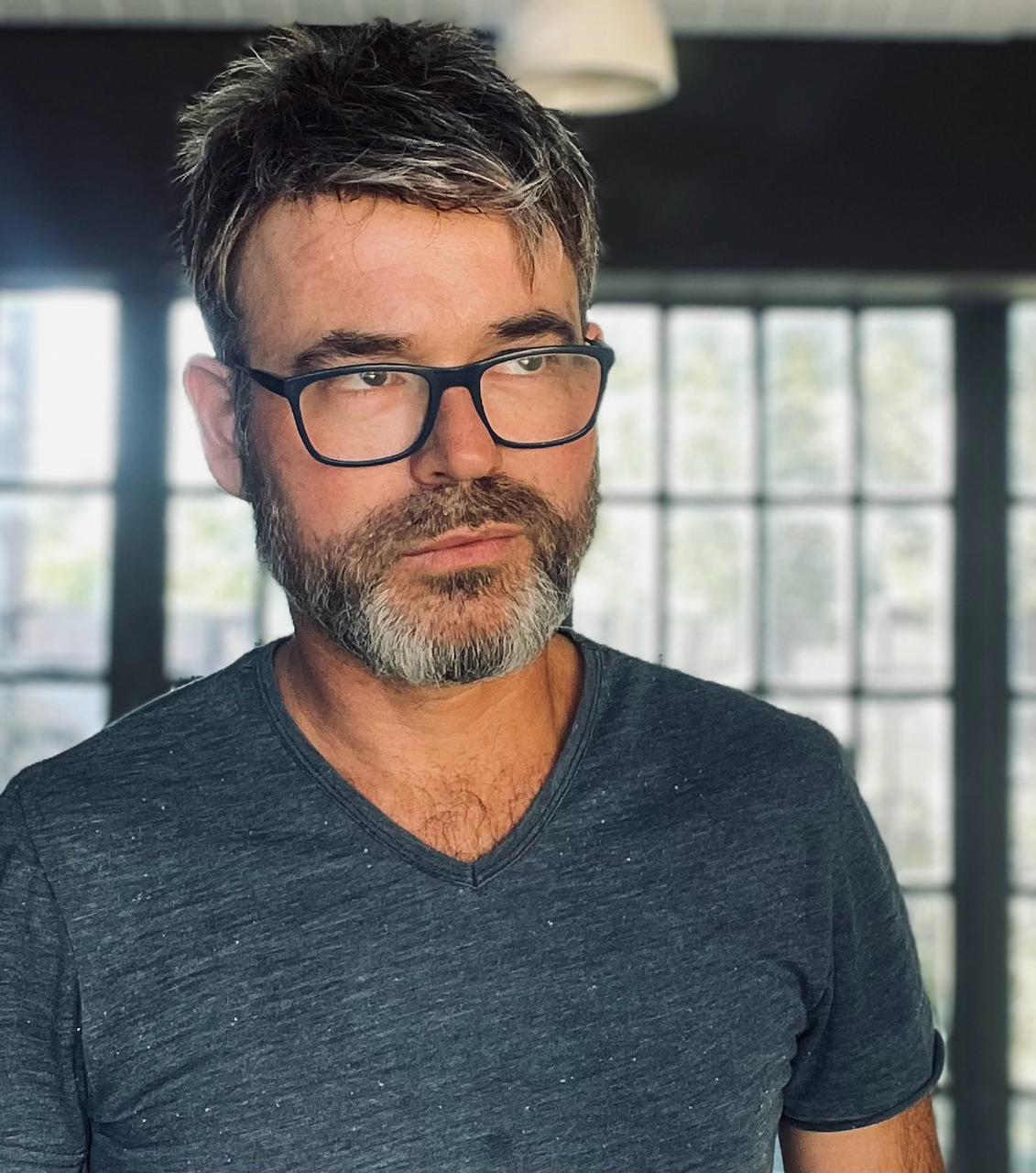
The challenging aspect of children’s books, says Robert Dersley, is timing. One can throw so much love into the illustrations it can never end.
