
Latest Article
Women are the ones doing the work, so why are they not involved in determining who gets to lead?
Writing in My Life on the Road, Gloria Steinem reflected on the cost of this uneven distribution of opportunity, saying she was “angry about the human talent that was lost just because it was born into a female body, and the mediocrity that was rewarded because it was born into a male one.” It is a particularly useful way of thinking about the leadership gap because what is lost is not simply a woman's promotion or a seat at a table. It is the talent an institution may never discover because it did not give that person the opportunity to exercise authority in the first place.
Filter
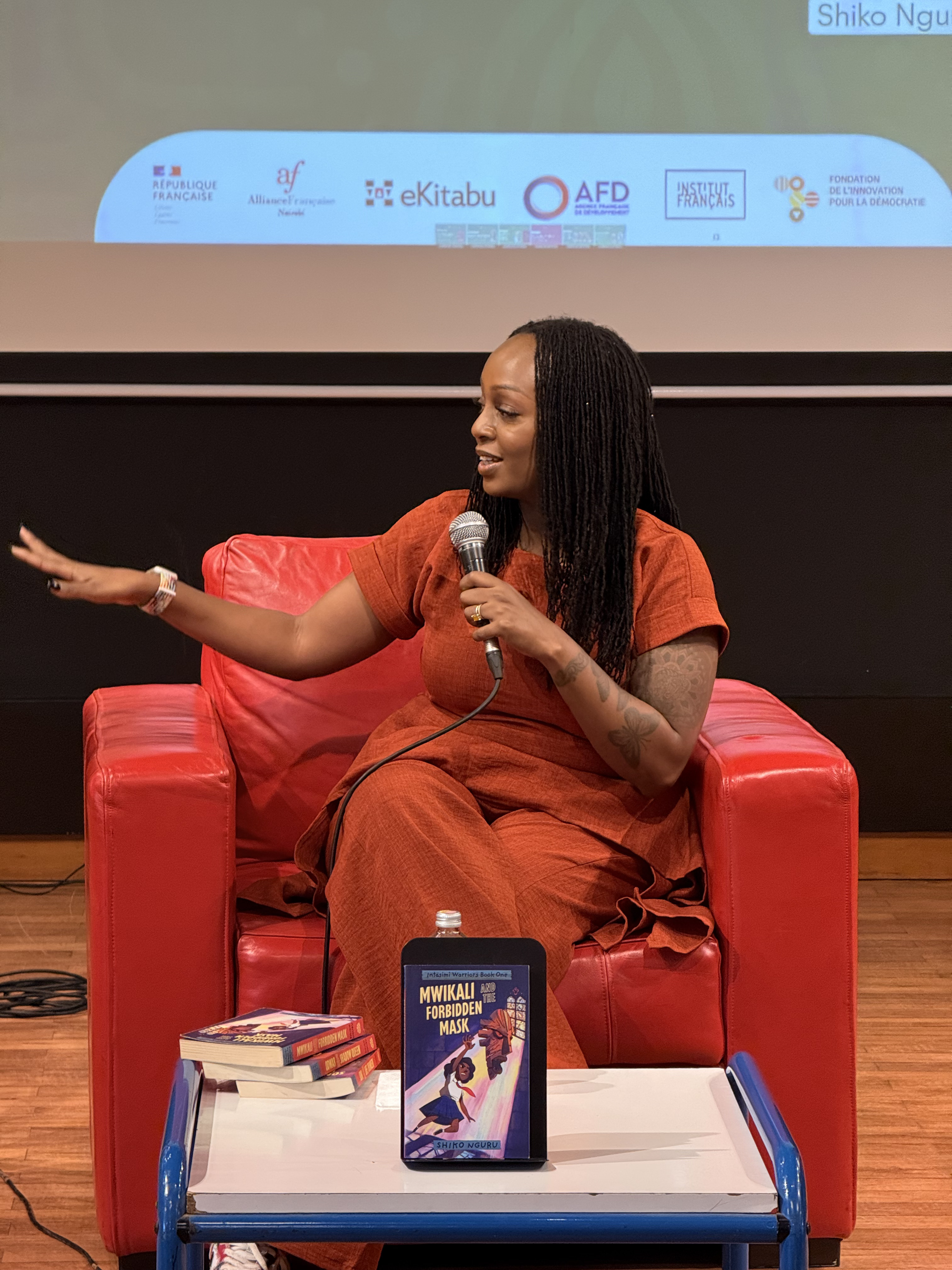
Shiko’s passion for books began in childhood. As a child, she would sometimes fake being unwell at school just so she could sit in the secretary’s office and read the books kept there.
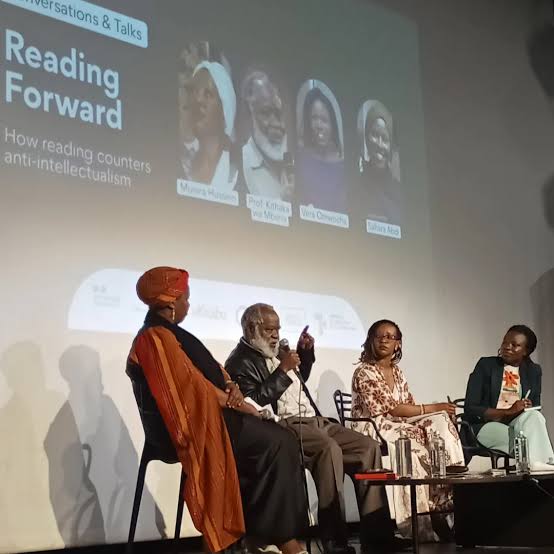
Panellists shared how social media has made us have “brain rot”. It has shaped our perceptions and ideologies and made us rely on small talk and conversations that don’t build but rather take away our knowledge.

In many ways, the festival became a space where women’s contributions to liberation movements were repositioned from the margins to the centre. Rather than appearing as secondary figures within nationalist narratives, women were discussed as organisers, strategists, educators, and custodians of collective memory

From 7 to 9 May, the Alliance Française de Nairobi will host the fifth edition of Africa Forward Fest, now expanded into a pan-African platform that brings together writers, publishers, translators, and cultural thinkers from across the continent. Timed ahead of the Africa Forward Summit, the festival arrives with a clear sense of intent: To move beyond celebration and into the harder work of connection, circulation, and influence.
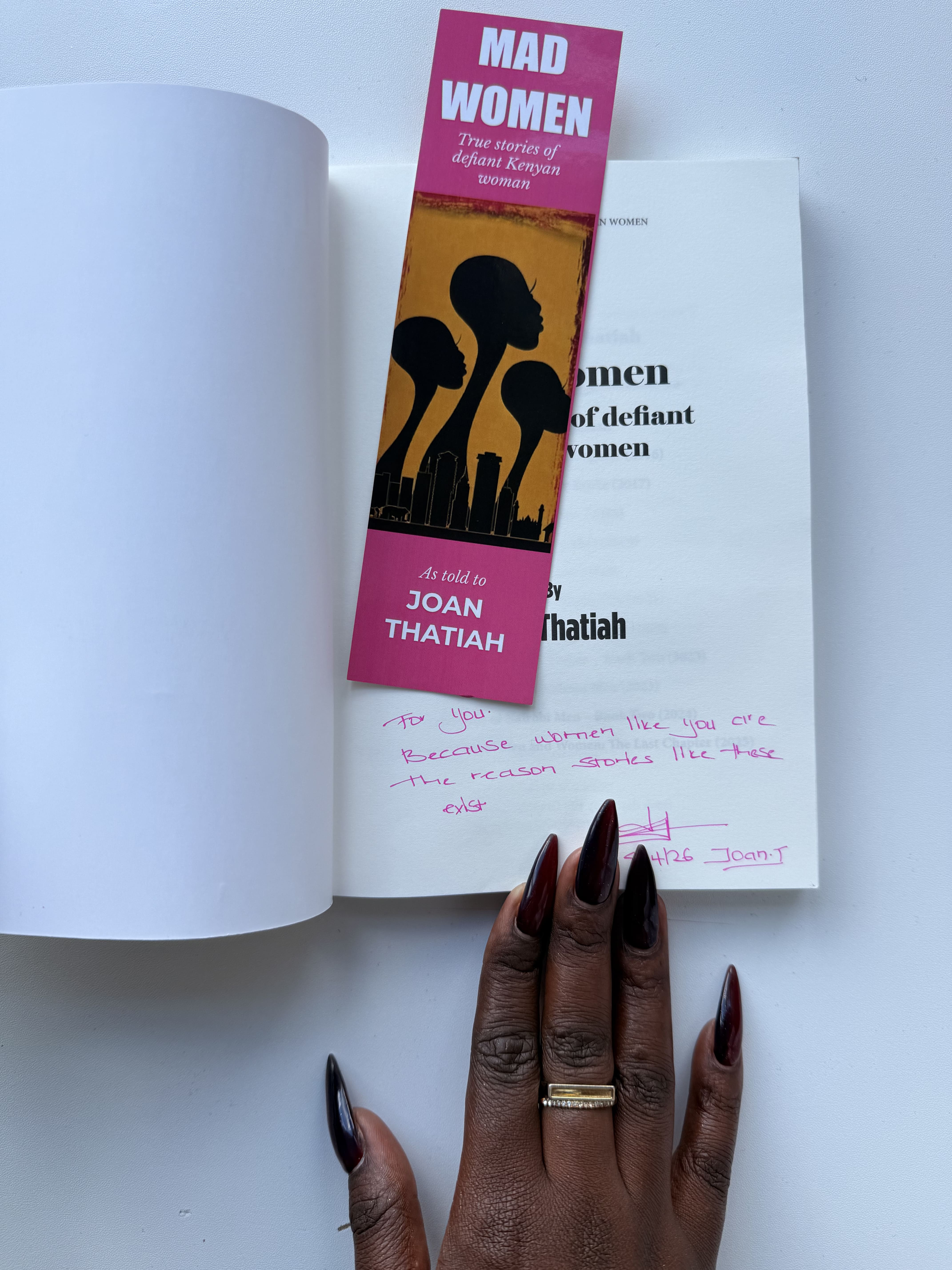
Last week, while writing about Joan Thatiah’s Mad Women, I returned again and again to Zawadi, a young woman whose life ends after a clandestine abortion in a residential apartment. This week, reality has caught up with literature. The Court of Appeal in Kenya has overturned the 2022 High Court decision that had recognised access to abortion under limited constitutional circumstances, holding instead that abortion is not a standalone fundamental right under the Constitution of Kenya 2010.
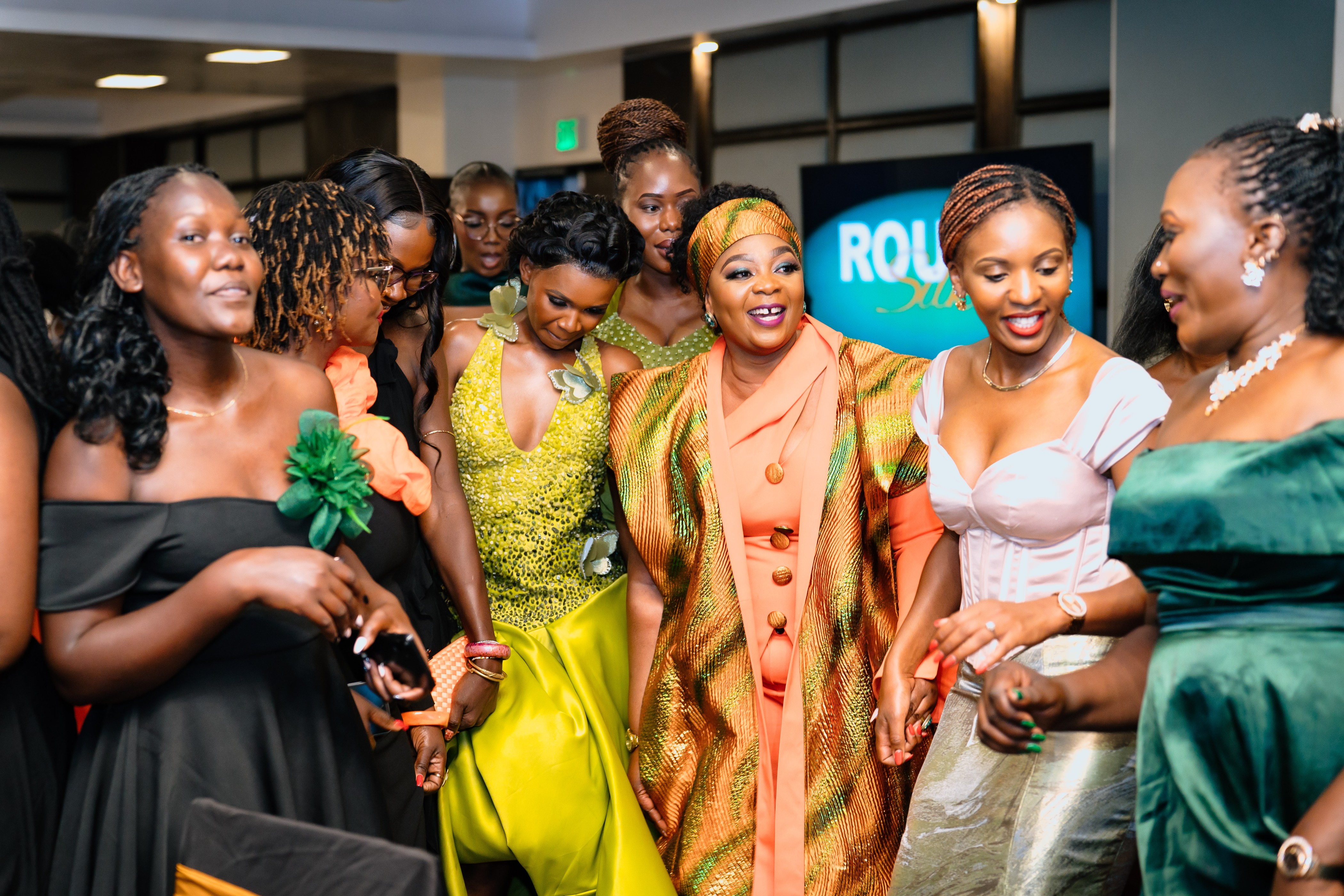
In a region where loss, resilience, and survival are tightly interwoven, stories such as Rough Silk carry a particular weight. They speak not only to personal journeys, but to collective histories shaped by adversity.
