
Latest Article
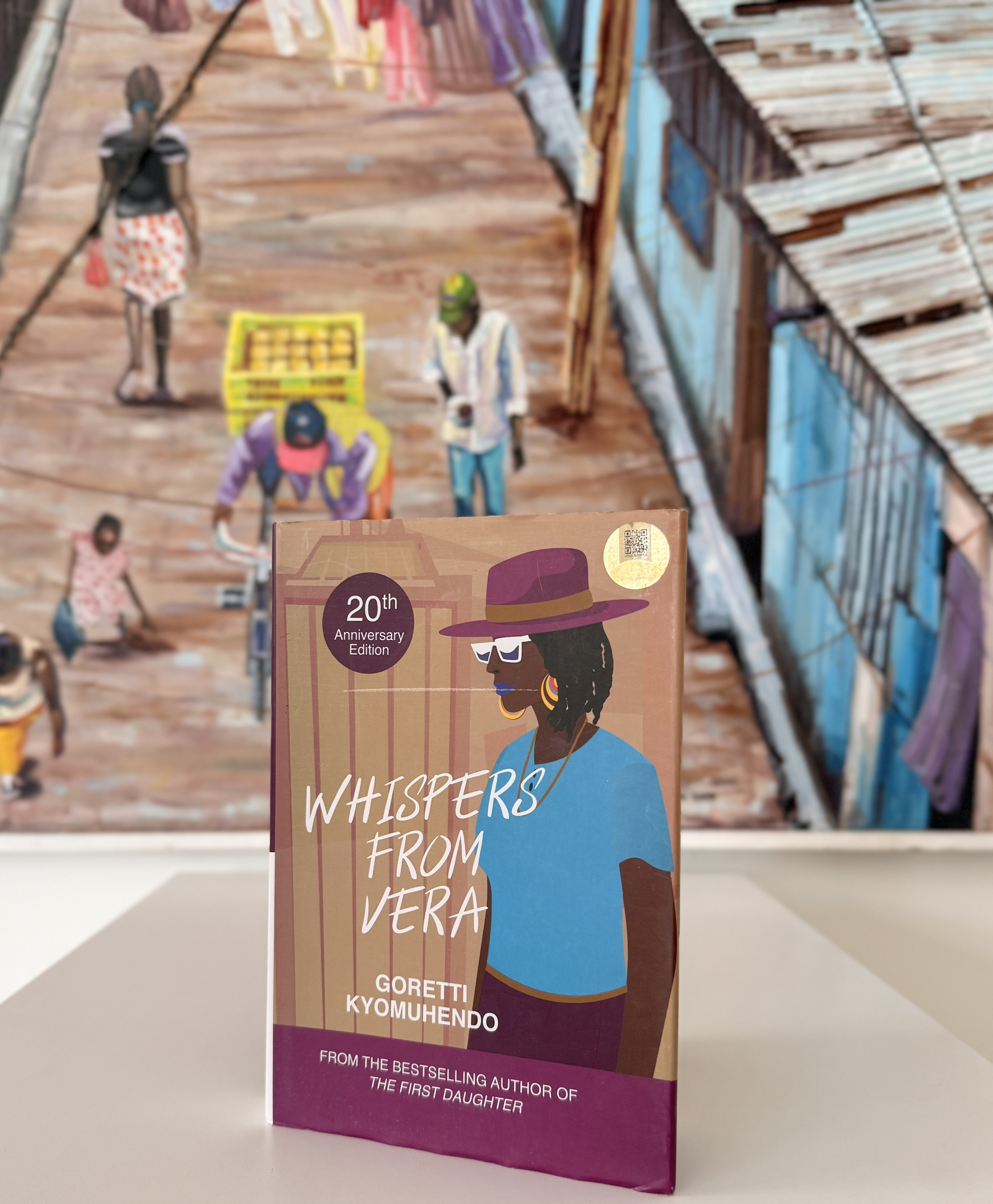
From Kampala, the twists and tales of modern womanhood
Vera’s life takes an unexpected turn when she meets Eric, a polished, seemingly successful corporate executive who embodies everything she has been taught to hope for. Their romance, laced with charm and optimism, offers Vera a glimpse into the future she has long imagined: a stable partnership, a home, and the promise of the life she believes she deserves. Yet, as Kyomuhendo reveals, appearances can be deceptive. Eric is guarding a secret of immense consequence, one that threatens to upend Vera’s plans and challenges her understanding of what she truly wants.
Filter

This year, the Nobel Prize in Literature has been awarded to Hungarian author László Krasznahorkai, and as the announcement makes its global rounds, the question lingers: why does Africa still look to Stockholm for validation? What would it take to build a prize and a reading culture that recognises our brilliance without waiting for the world’s permission? But perhaps, it’s time we asked: why do we still crave that stamp? What would it take for Africa to build its own literary validation, one rooted in its people, its readership, and its histories?
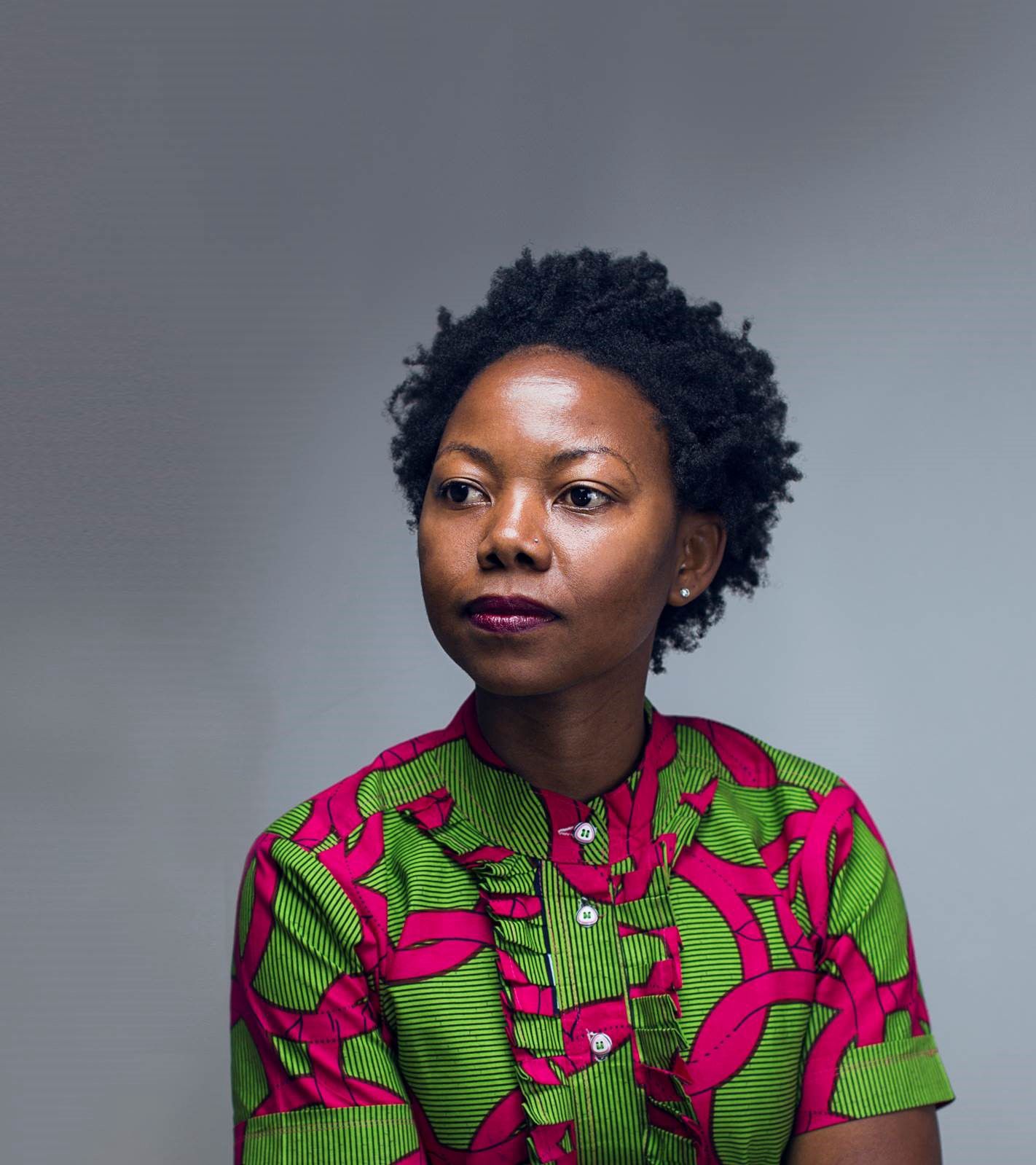
Bulawayo’s win was not simply about recognition. It was about the arrival of a new voice; sharp, urgent, and unwilling to romanticise hardship. The children in Hitting Budapest are not abstract symbols of poverty; they are fully alive, funny, cruel, curious, and unforgettable.

Traditionally, the nyatiti was reserved for initiated men. For a young Japanese woman to not only learn it but master it was unthinkable.

Social media has been transformative. It’s allowing Africans to reclaim stories in real-time—whether it’s TikTokers teaching indigenous languages or Instagram creators reviving ancient textile traditions. Technology is helping bypass traditional gatekeepers, making it easier to tell our stories from our perspective.
.png)
His Only Wife by Peace Adzo Medie begins with Elikem absent on his wedding day, represented instead by his brother Richard. It is a story that peels back the curtain on marriage, family pressure, and the politics of beauty in African society.

This book is utterly charming, laugh‑out‑loud funny, and deeply moving. It portrays resilience — how children raised by grandparents in the countryside, by a nanny in the city and then at boarding school, with little parental presence, can grow up self‑reliant and perceptive. It’s a voice seldom heard in children’s literature and one that heralds a new and powerful wave of African storytelling by Africans, for Africans
