
Latest Article
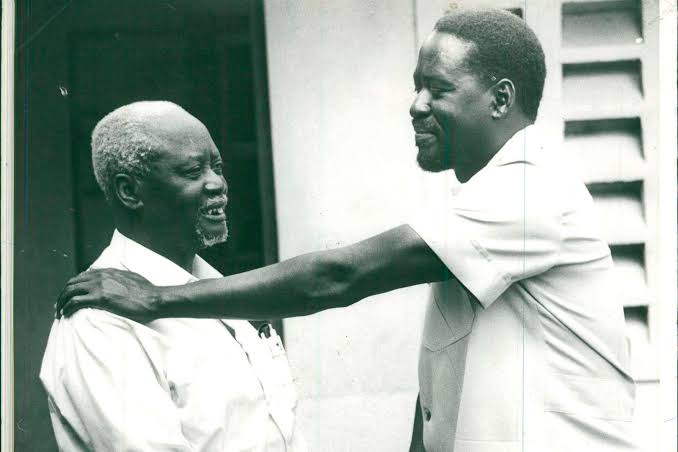
Baba, while you are away: the songs, struggles and contradictions of Raila Odinga
In death, Raila was accorded a state funeral, and the country watched as a man who had spent decades seeking the presidency received the ceremonial honours of a former national leader. The symbolism was striking. He never became president, yet his death occasioned the rituals, public mourning and national attention usually reserved for figures who had occupied the highest office.
Filter
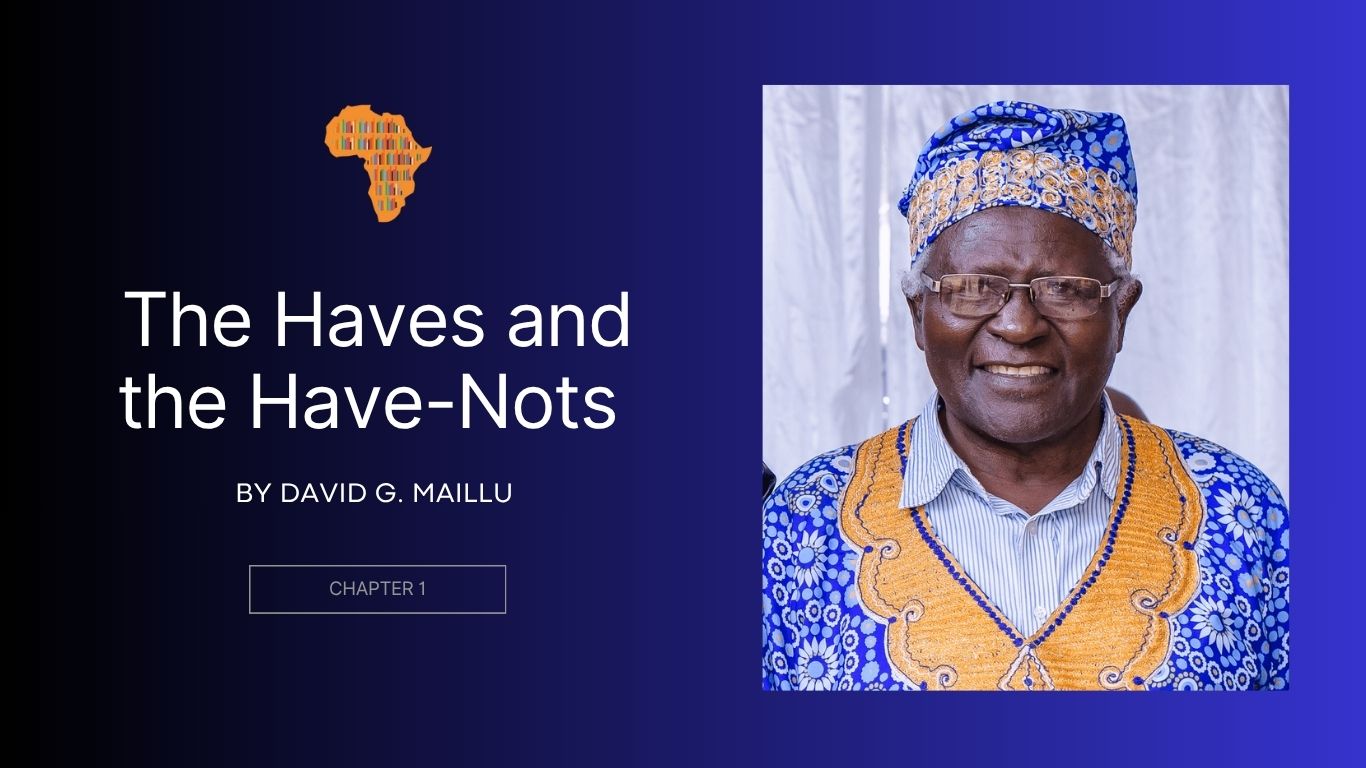
This first instalment of David Maillu’s upcoming novel 'The Haves and the Have-Nots' opens our new book serialisation series. The novel dissects the dynamics of social relationships in Kenya’s immediate post-independence period, during which the divisions arising from the freedom struggle continued to have a profound effect on the young nation.
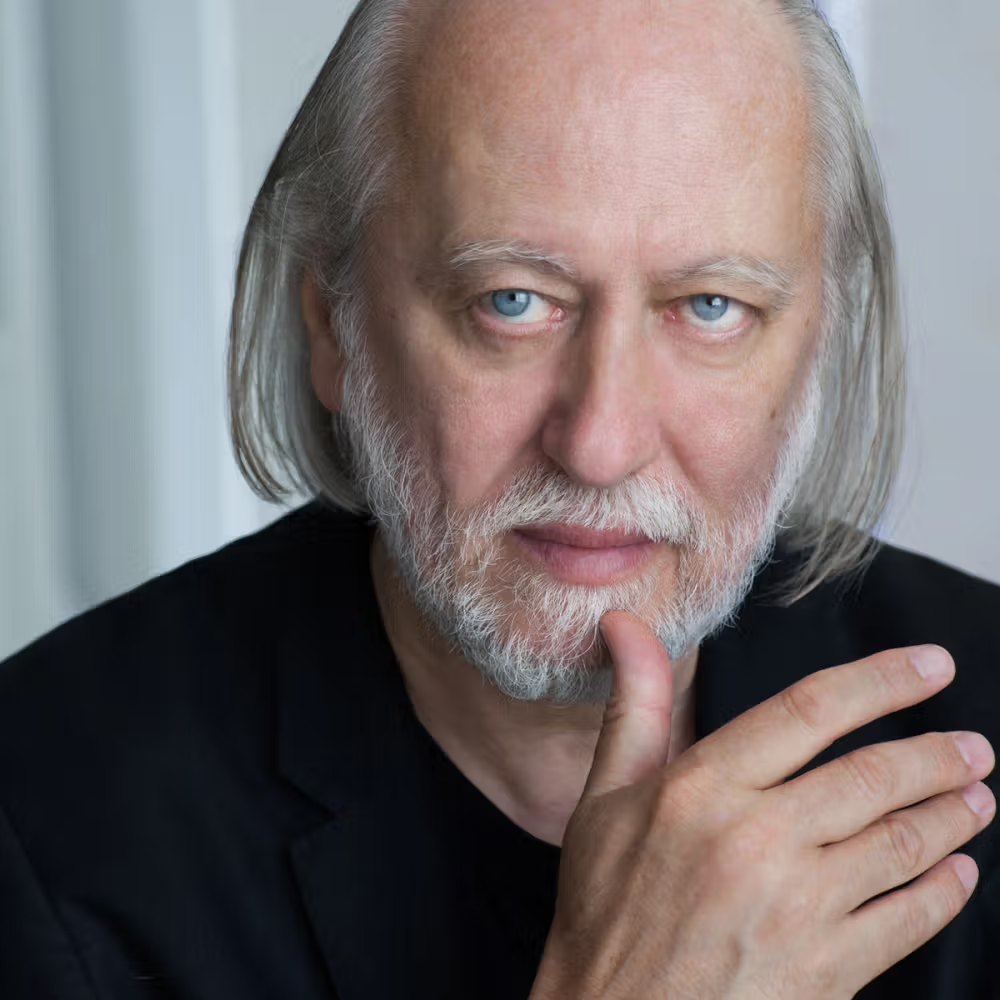
This year, the Nobel Prize in Literature has been awarded to Hungarian author László Krasznahorkai, and as the announcement makes its global rounds, the question lingers: why does Africa still look to Stockholm for validation? What would it take to build a prize and a reading culture that recognises our brilliance without waiting for the world’s permission? But perhaps, it’s time we asked: why do we still crave that stamp? What would it take for Africa to build its own literary validation, one rooted in its people, its readership, and its histories?
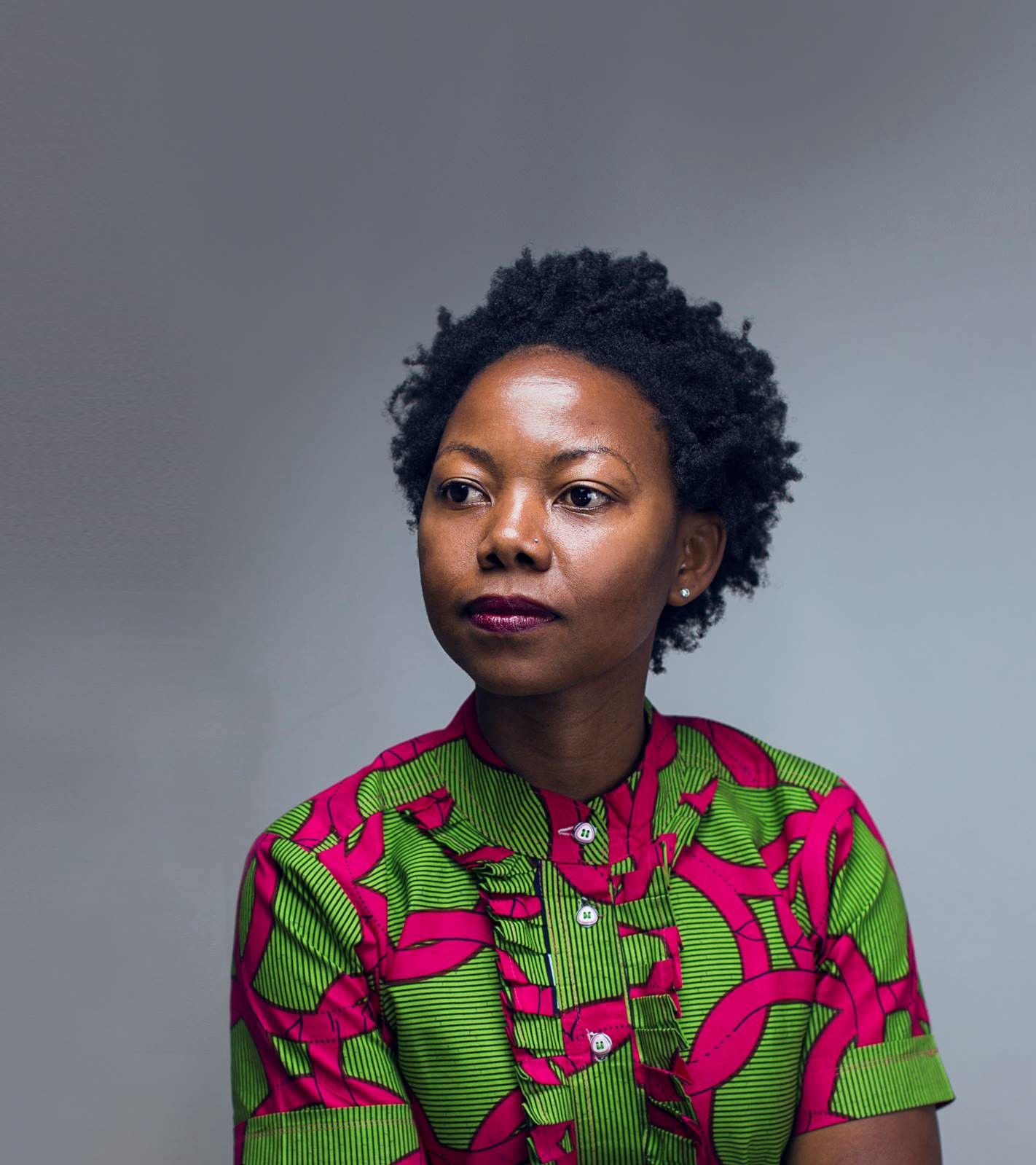
Bulawayo’s win was not simply about recognition. It was about the arrival of a new voice; sharp, urgent, and unwilling to romanticise hardship. The children in Hitting Budapest are not abstract symbols of poverty; they are fully alive, funny, cruel, curious, and unforgettable.

Traditionally, the nyatiti was reserved for initiated men. For a young Japanese woman to not only learn it but master it was unthinkable.
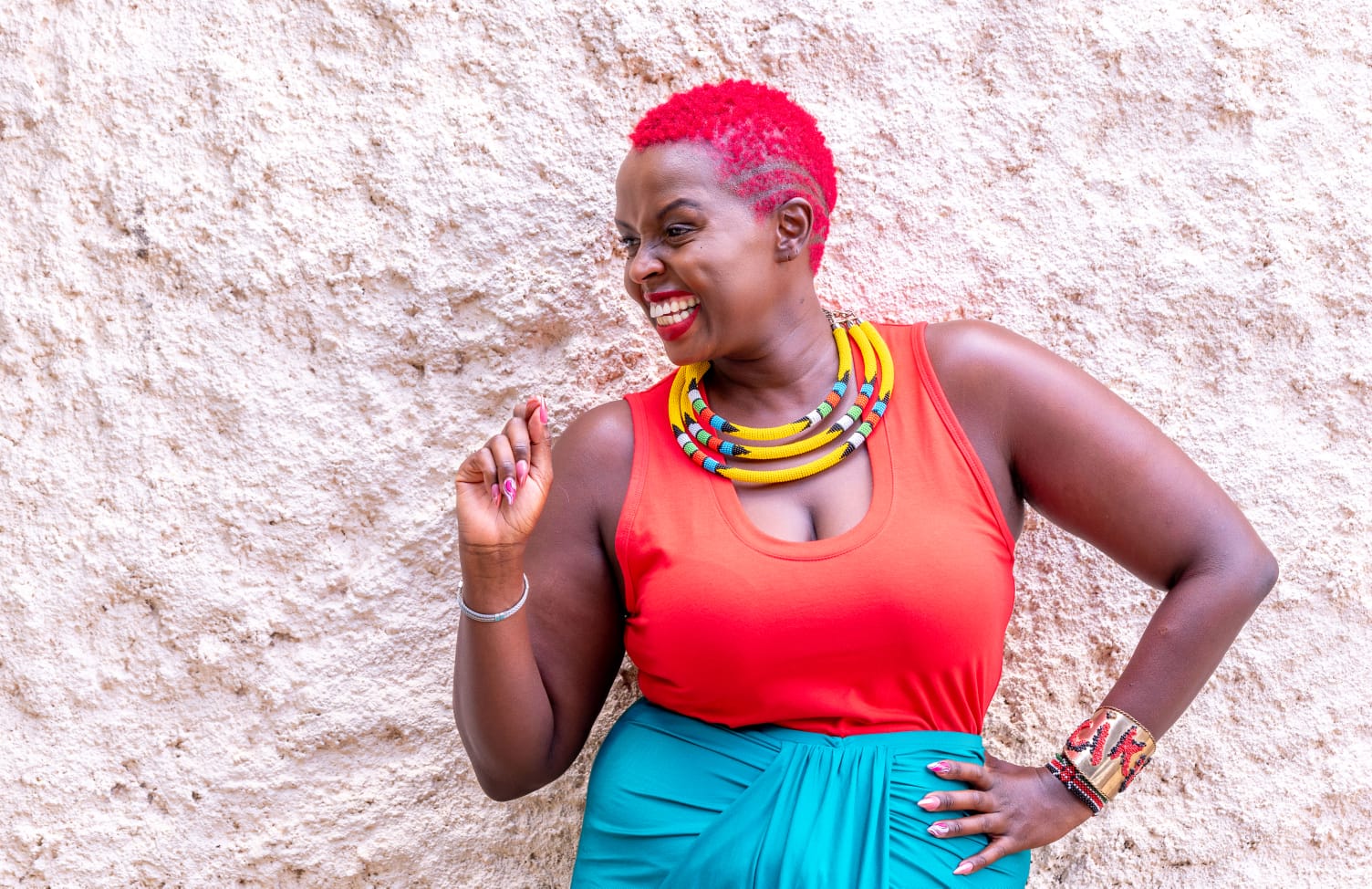
Social media has been transformative. It’s allowing Africans to reclaim stories in real-time—whether it’s TikTokers teaching indigenous languages or Instagram creators reviving ancient textile traditions. Technology is helping bypass traditional gatekeepers, making it easier to tell our stories from our perspective.

His Only Wife by Peace Adzo Medie begins with Elikem absent on his wedding day, represented instead by his brother Richard. It is a story that peels back the curtain on marriage, family pressure, and the politics of beauty in African society.
