
Latest Article
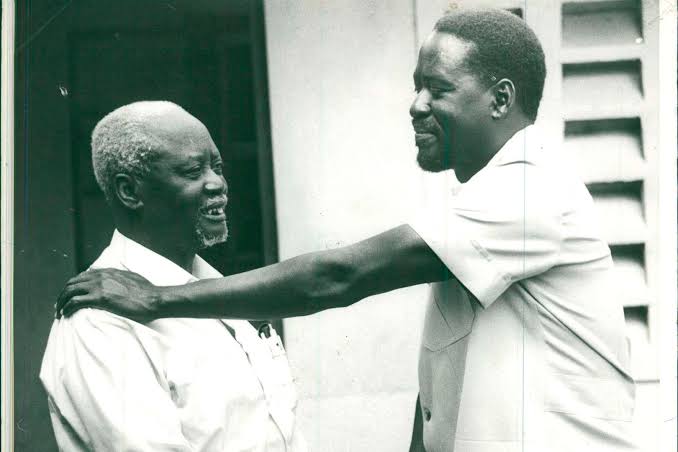
Baba, while you are away: the songs, struggles and contradictions of Raila Odinga
In death, Raila was accorded a state funeral, and the country watched as a man who had spent decades seeking the presidency received the ceremonial honours of a former national leader. The symbolism was striking. He never became president, yet his death occasioned the rituals, public mourning and national attention usually reserved for figures who had occupied the highest office.
Filter
.png)
“Wes, I want a divorce.” Muna’s words poured out through her morning breath in a whisper. Wesonga did not hear her but she immensely enjoyed the relief of letting them out after they had been stuck in her throat for years, perpetually threatening to purge the same way she purged after eating boiled eggs, but unlike the eggs, she always managed to push down the words.
Writing in My Life on the Road, Gloria Steinem reflected on the cost of this uneven distribution of opportunity, saying she was “angry about the human talent that was lost just because it was born into a female body, and the mediocrity that was rewarded because it was born into a male one.” It is a particularly useful way of thinking about the leadership gap because what is lost is not simply a woman's promotion or a seat at a table. It is the talent an institution may never discover because it did not give that person the opportunity to exercise authority in the first place.
.jpg)
That is when I stumbled upon data from the Kenya National Bureau of Statistics and the Kenya Demographic Survey of 2022. Goddamn it. The kids are sleeping with the enemy, and it isn’t working. Surprise? Apparently, 34% of all households in Kenya are led by women. Divorce is huge. Eleven per cent of married women and 5% of married men are choosing to walk, instead of strangling each other (hurrah!).
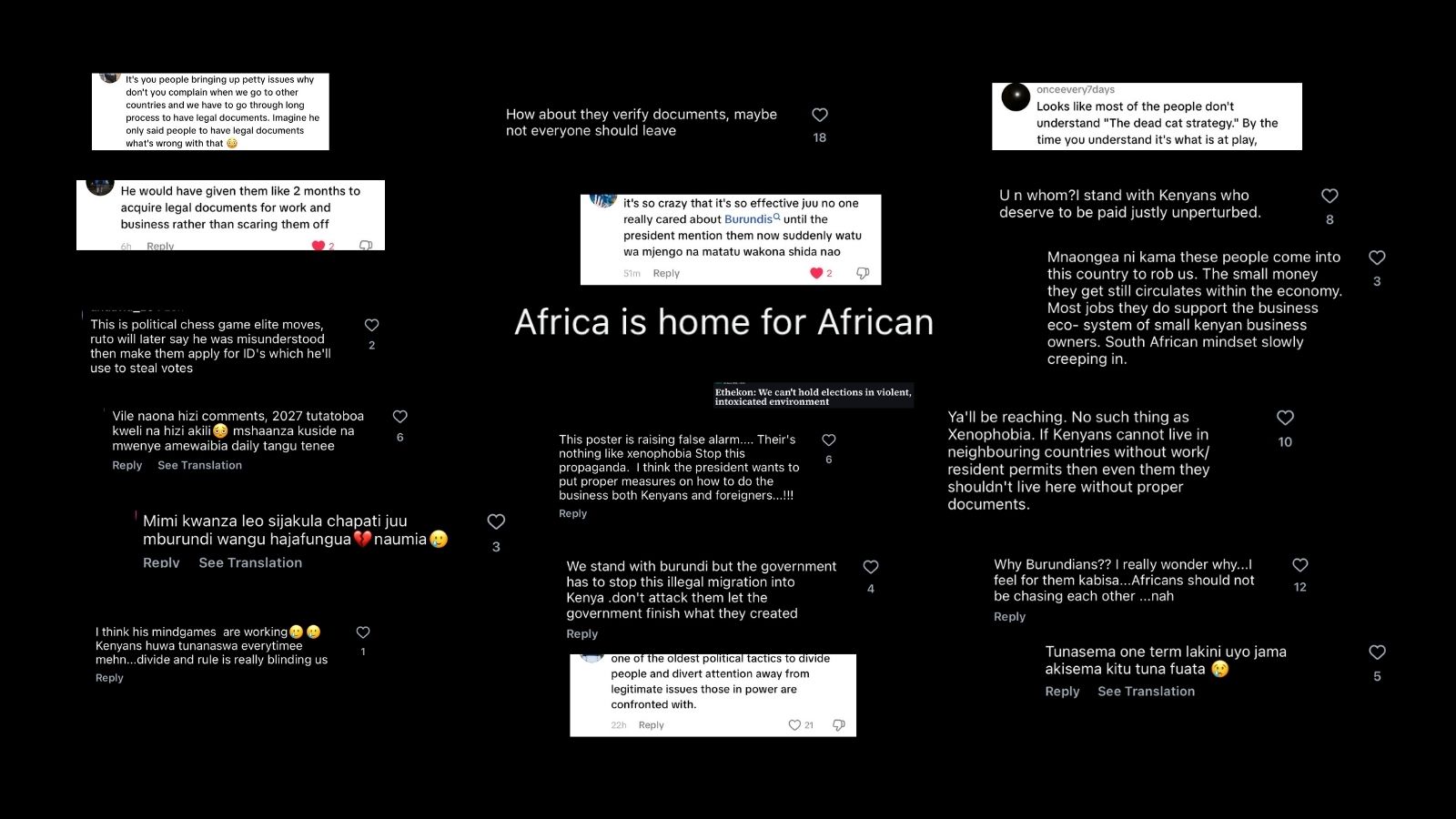
What happens when a government tests how easily economic frustration can be redirected towards an identifiable group? What happens when people who should be asking why their economy is failing instead begin asking why another African is allowed to sell goods on the same street? What happens when a population is so economically exhausted that all it needs is a target?

We take a comprehensive approach to publishing by editing or re-editing manuscripts, creating fresh and consistent designs for both print and digital editions, recording audiobooks in our award-winning in-house studio, digitizing ebooks, and adapting content into accessible formats such as braille and sign languages.
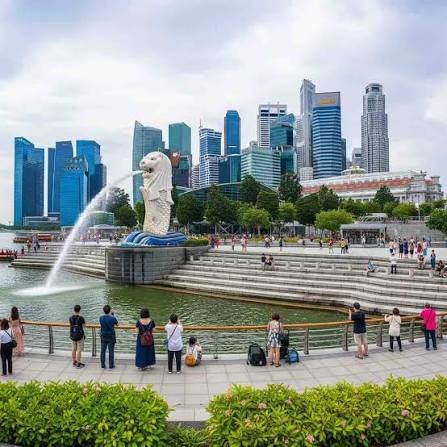
There is also something deliciously ironic about this happening while Kenya is being encouraged to look towards Singapore as the benchmark for development. Ruto's Singapore is supposed to represent efficiency, prosperity and modernity. At Books in Africa, however, Singapore currently represents something much simpler: Someone over there is reading us and the real question is why.
