
Latest Article
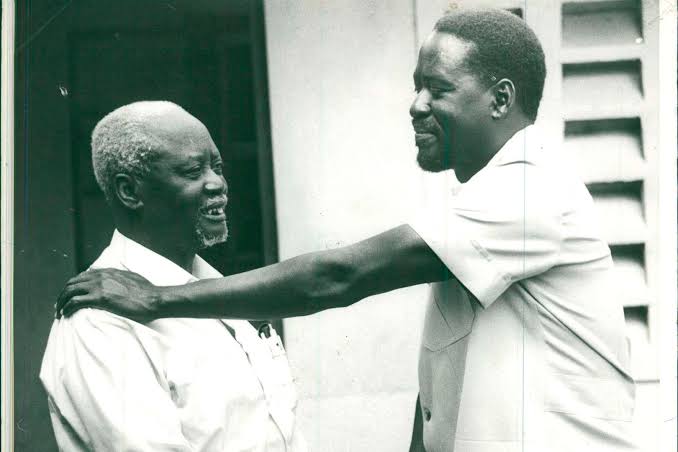
Baba, while you are away: the songs, struggles and contradictions of Raila Odinga
In death, Raila was accorded a state funeral, and the country watched as a man who had spent decades seeking the presidency received the ceremonial honours of a former national leader. The symbolism was striking. He never became president, yet his death occasioned the rituals, public mourning and national attention usually reserved for figures who had occupied the highest office.
Filter
“But why don’t all these Kenyans, if they are so miserable, go back home?” she asked.“Pride. You have been here only a few months, and you hate it, but if I asked you to go back, would you?”“Of course not,” she said curtly. “Europe may not be all that, but it is better than being stuck in Mukuru kwa Reuben. At least now, I can send my mother enough money to get her off the daily, punishing market grind.”It was hard to explain how she could hate London so much, yet have no desire to return home. It was like refusing to walk out on an abusive relationship.
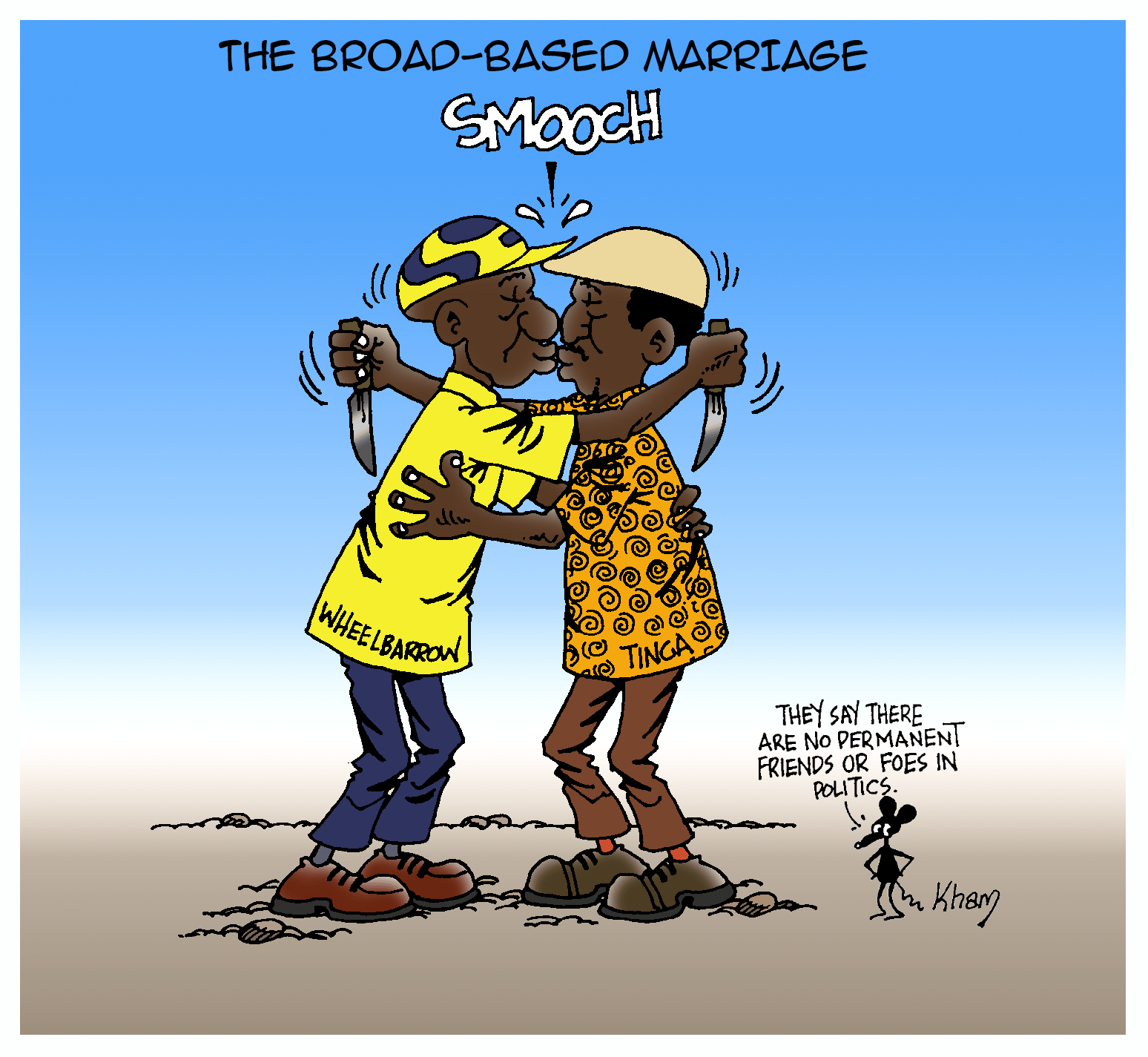
Strangely, William Ruto, a political fox if there was one, missed the lesson. Against advice, he bypassed his Tom Hagen, Prof Kithure Kindiki, for Rigathi Gachagua – a Santino with a fist – as running mate.
It was a job at the reception, in a company that sold land. Nothing to do with what she had spent too much of Mr Muthama’s money studying. She hated the job on the first day, and every day after that. Within a couple of months, she started to seriously consider leaving the country. To America. So she started saving money for a passport, for a visa application, to improve her bank account.She had been ill-equipped for the interview, and it had taken the immigration officer at the American Embassy less than a minute to decide she was a flight risk.A friend had advised her to get another passport under a different name, which she did with no qualms once she realised she would not be the first, nor the last. Biometric technology had not made a global mark, 9/11 had not happened, thus the world was not as suspicious.

If some men were honest about their desire to maintain multiple relationships, would the betrayal wound feel less deeply when discovered? Or would such honesty simply expose how fragile many marriages already are? But then there is an even more complicated question beneath that one. Who are the women who choose to remain in marriages where respect has clearly eroded? Is it love? Shared history? Children? Economic reality? Social expectation? Or is the title of Mrs. so powerful that many would rather remain married than confront the humiliation of walking away?
In September, I wouldn’t be going to City Hall as the new legislative councillor from Nairobi West, but to the “Twin Towers” of Kimathi Street as the new arts editor of the Weekly Review magazine. On Sunday, I would pay Danny Boy and his crew to undo everything we had done over the past couple of months—take posters off the street walls, get the banners off the roads, and so on. In short, I would be doing “the Lord’s work” in the eyes of my rivals, some of whom had already been doing it for themselves (Satan also helps those who help themselves, as I have come to learn in this lifetime).But first, I had one last commitment to keep.
Esther had been told, now and then, that she had a beautiful smile, but it was not often that she found a reason to smile. As she looked at her passport, she knew that not only had Lady Luck smiled upon her, she had, for good measure, also thrown in a happy giggle. In her little palms, she held her passage to the United Kingdom – wealth and good life were beckoning. She thought about how it would be like to not live in poverty, which had stalked her life like a shadow. It was the same poverty that had stalked generations before her.
