
Latest Article

Women are the ones doing the work, so why are they not involved in determining who gets to lead?
Writing in My Life on the Road, Gloria Steinem reflected on the cost of this uneven distribution of opportunity, saying she was “angry about the human talent that was lost just because it was born into a female body, and the mediocrity that was rewarded because it was born into a male one.” It is a particularly useful way of thinking about the leadership gap because what is lost is not simply a woman's promotion or a seat at a table. It is the talent an institution may never discover because it did not give that person the opportunity to exercise authority in the first place.
Filter
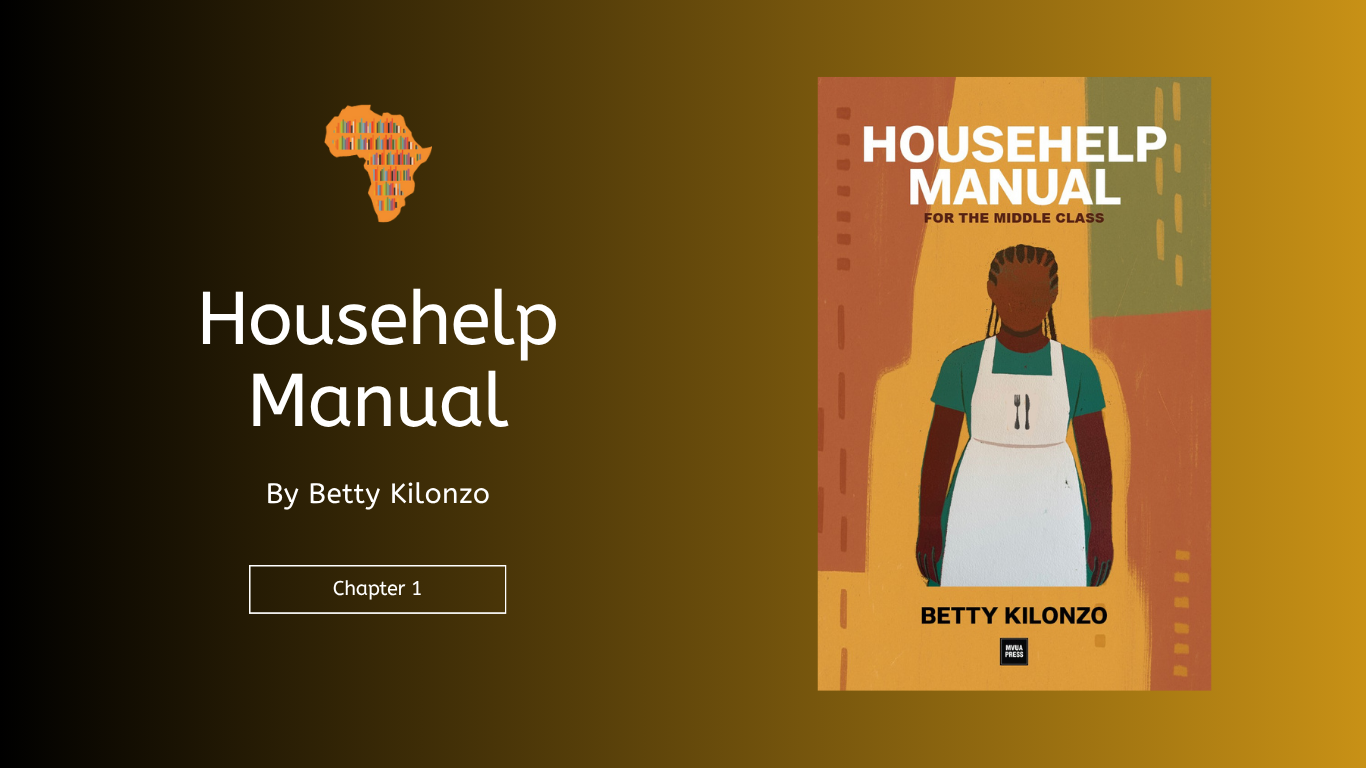
Bringing someone into your home as a househelp is a major decision. This is a person who will share your space, care for your children, and interact with your family daily. A careful hiring and onboarding process ensures that you choose the right person and establish a healthy working relationship from the very beginning.
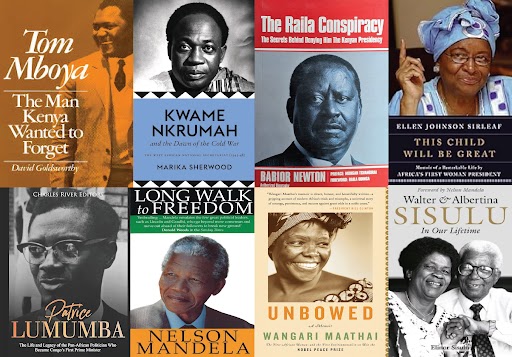
A more fitting legacy would be to immortalize Raila Odinga's thoughts and ideas in books, libraries, documentaries and films.
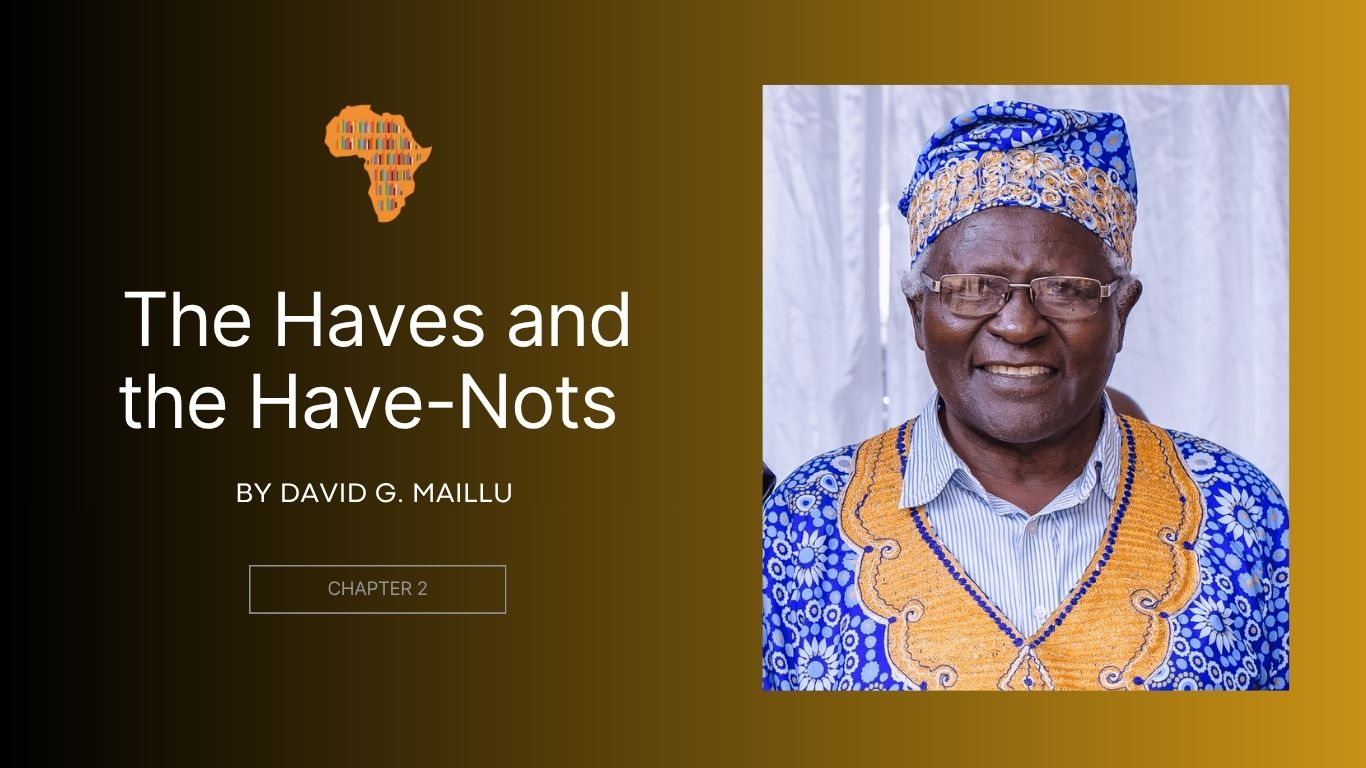
The Macharia family had every reason to hate Kenyatta. Their appeal for restoration of their land had failed, only to boost the success of Chief Waruingi’s family. They could not forgive the Kenyatta’s government for not pardoning Macharia but instead letting him die after years of detention. They had nursed the hope, in collaboration with the disgruntled freedom fighters, that the new government of President Daniel arap Moi would help them find justice.
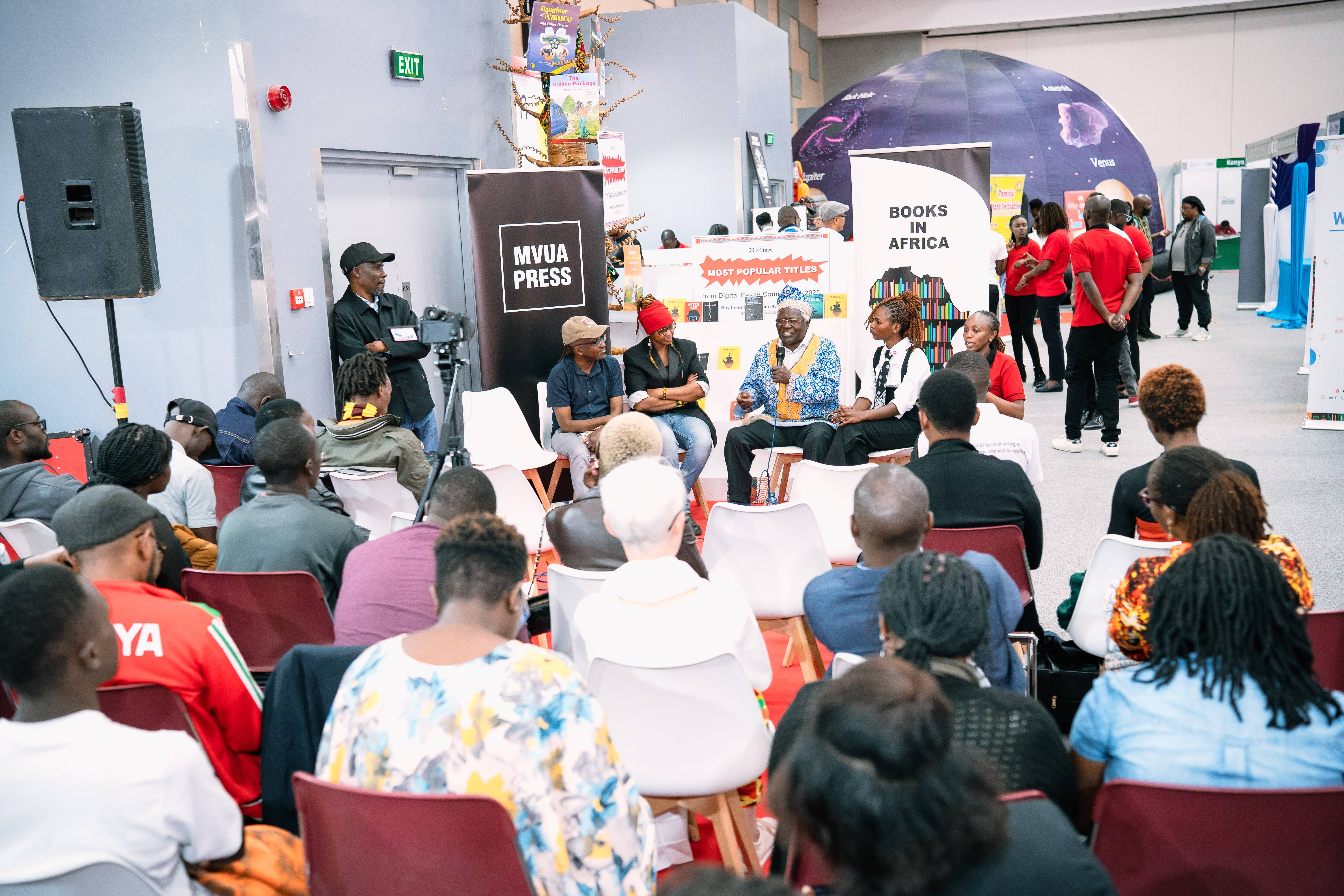
The youthful generation is yearning for information, as times have shown that everyone needs to be updated to avoid making the mistakes that our forefathers made when they were colonised and made to think that they couldn’t think on their own or make sane decisions.
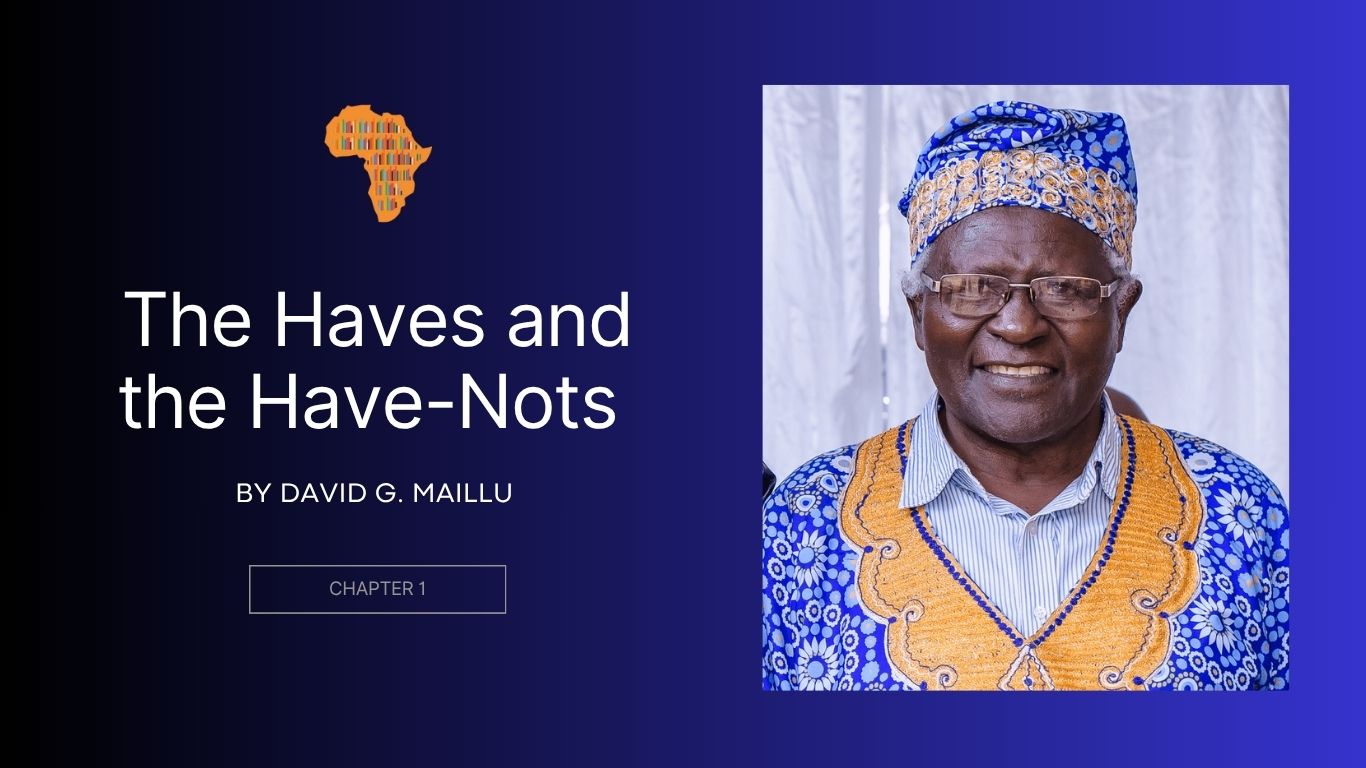
This first instalment of David Maillu’s upcoming novel 'The Haves and the Have-Nots' opens our new book serialisation series. The novel dissects the dynamics of social relationships in Kenya’s immediate post-independence period, during which the divisions arising from the freedom struggle continued to have a profound effect on the young nation.
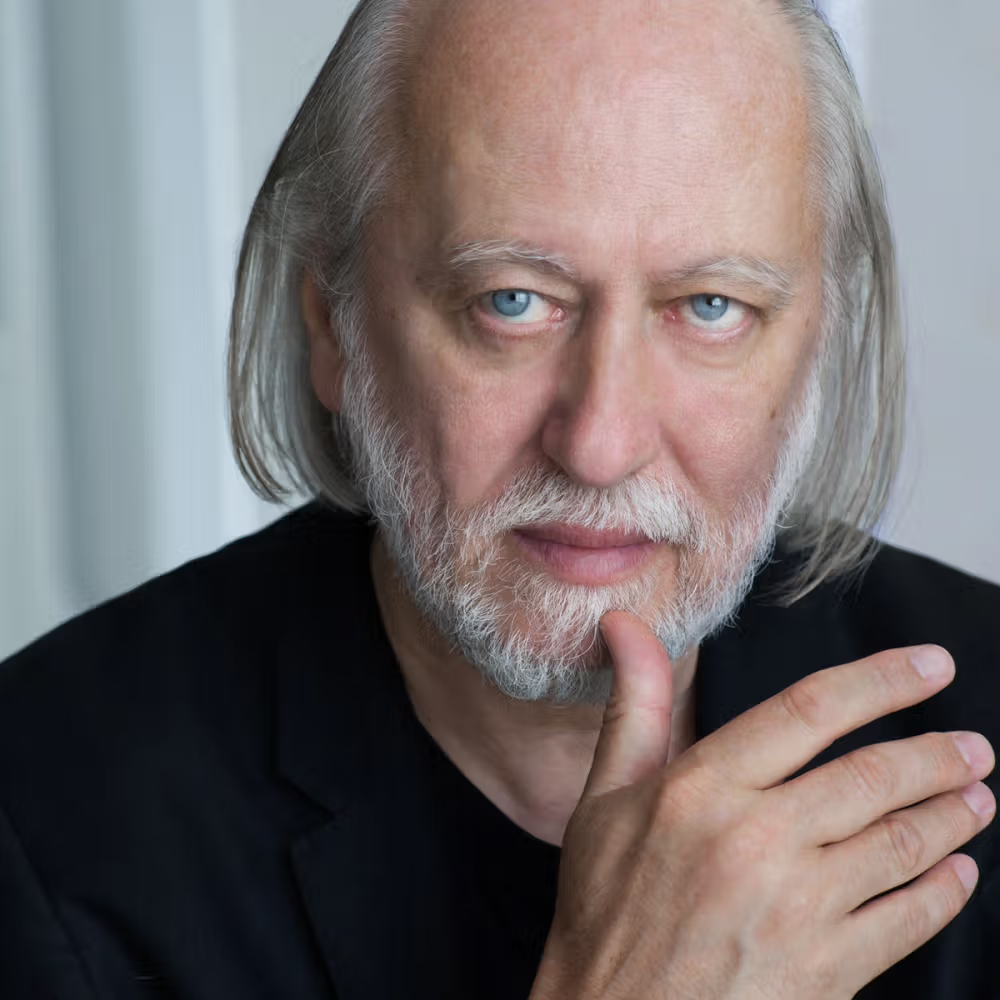
This year, the Nobel Prize in Literature has been awarded to Hungarian author László Krasznahorkai, and as the announcement makes its global rounds, the question lingers: why does Africa still look to Stockholm for validation? What would it take to build a prize and a reading culture that recognises our brilliance without waiting for the world’s permission? But perhaps, it’s time we asked: why do we still crave that stamp? What would it take for Africa to build its own literary validation, one rooted in its people, its readership, and its histories?
