
Latest Article

Women are the ones doing the work, so why are they not involved in determining who gets to lead?
Writing in My Life on the Road, Gloria Steinem reflected on the cost of this uneven distribution of opportunity, saying she was “angry about the human talent that was lost just because it was born into a female body, and the mediocrity that was rewarded because it was born into a male one.” It is a particularly useful way of thinking about the leadership gap because what is lost is not simply a woman's promotion or a seat at a table. It is the talent an institution may never discover because it did not give that person the opportunity to exercise authority in the first place.
Filter
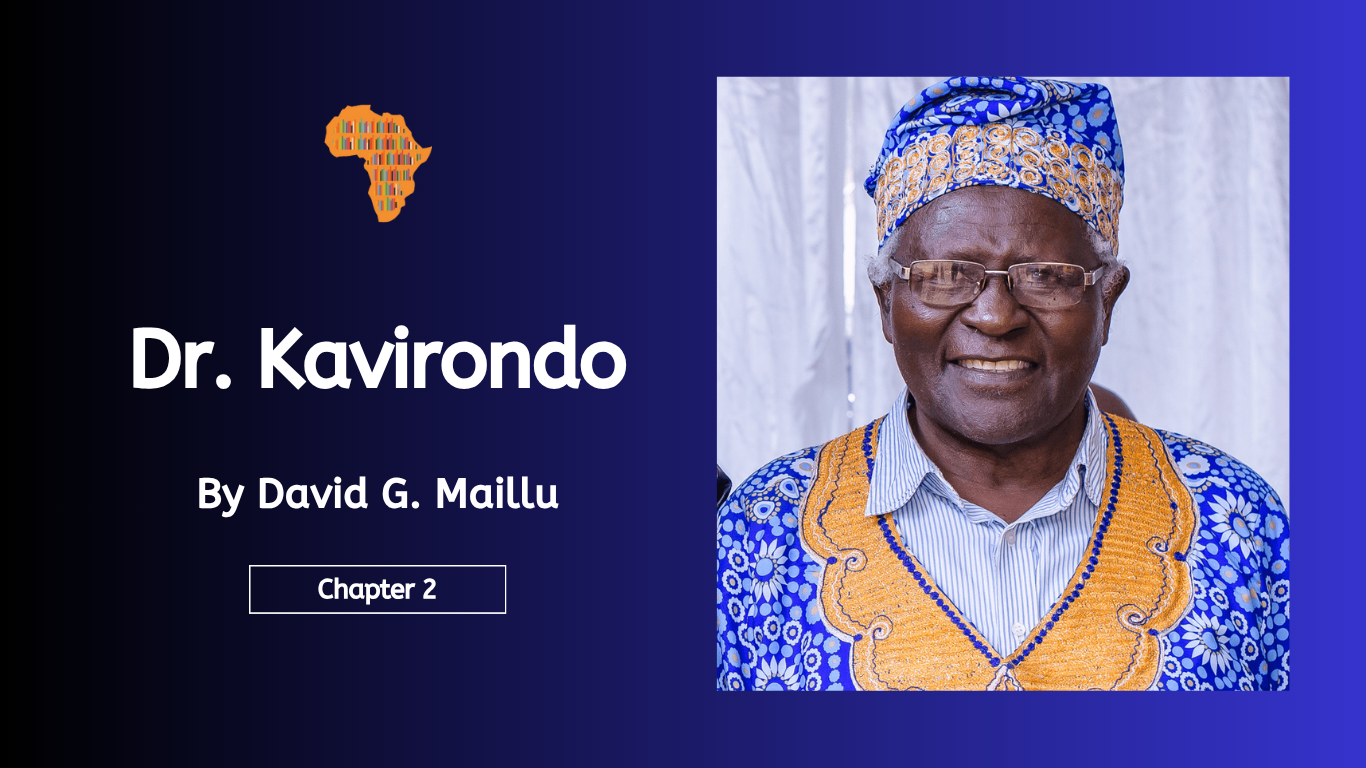
As it had become the tradition of later days of postcolonial politics, funeral functions were harvest times for politicians. They attended funeral functions heavily loaded in the mouth to capitalise on silent funeral crowds, where they enthusiastically marketed their so-called ideologies to the masses. It was where they talked out their spirits and spilt beans of their competitors. No politician worth his salt missed funeral functions. Since the entry of the culture of materialism, the respect and solid attention given to the deceased and the family mourners had been left and forgotten in the forest of tradition.

Your mother is going to need your protection desperately when your father dies. Your useless Uncle Okelo has a dangerous design to inherit your mother at whatever cost. You know how much the Luo culture has been corrupted by materially oriented persons. Okelo is going to cause chaos because I know that only over your mother’s dead body would she accept being inherited by such a skunk.
%20(1)%20(1)%20(1).jpg)
The “crazy” things our Gen Z do are no different from what we, our parents or grandparents did. My grandpa, for one, thought my father was an idiot for buying furniture instead of cattle. My father thought I was a numbskull for spending the equivalent of five months' pay on a music system instead of, wait for it, buying cattle! Mark you, clean-shaven I, who once pranced around with a bushy afro to my father’s chagrin, couldn’t stand the strings my son carried around on his head.
.png)
In our final instalment of Betty Kilonzo's newly published Househelp Manual, we delve into the relationship between employer and househelp.
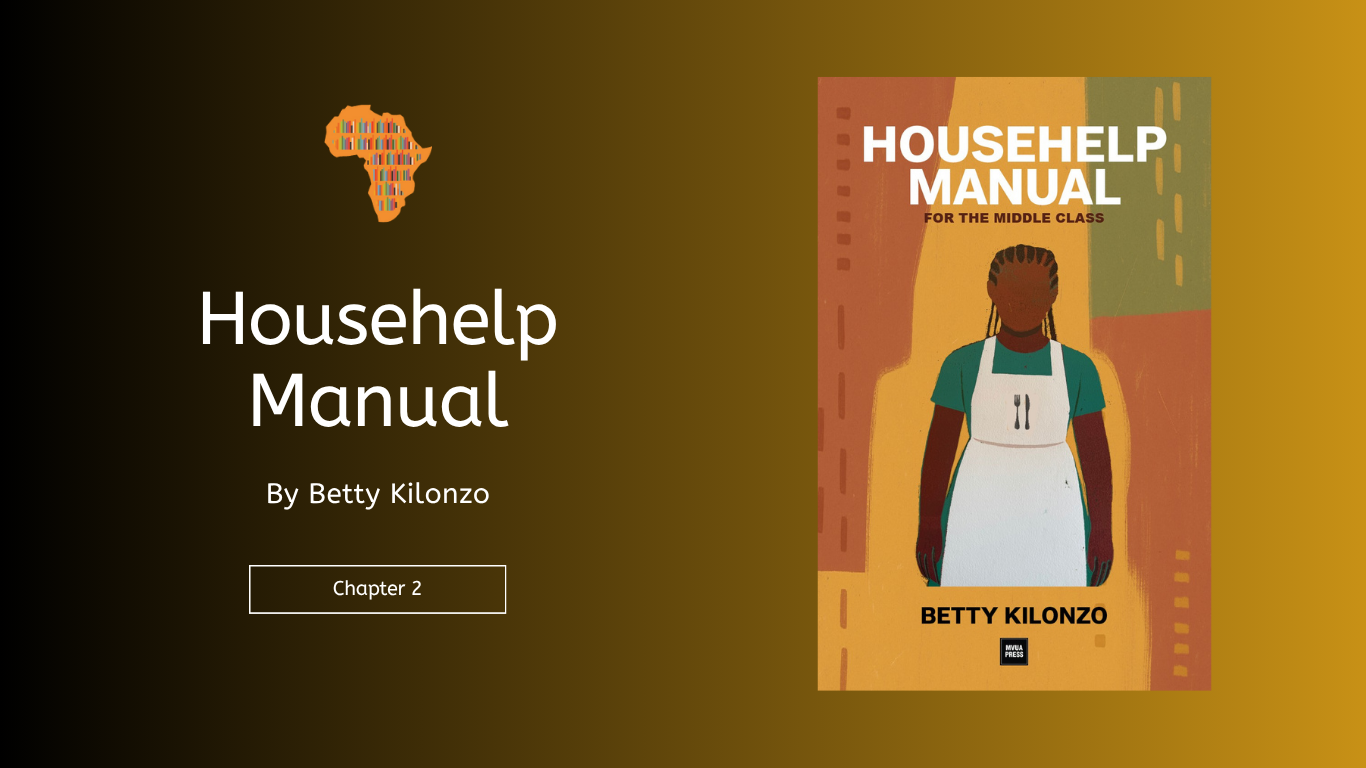
Every home functions best when there are clear expectations. House rules are not meant to control but to create harmony and clarity for both the employer and the househelp. They also prevent misunderstandings and protect both parties.
.jpg)
Would the kithitu oath make Waruingi’s family surrender the land to the Macharias? All Macha knew was that he would never surrender; he would keep trying—not once or twice but many times.
