
Latest Article

Women are the ones doing the work, so why are they not involved in determining who gets to lead?
Writing in My Life on the Road, Gloria Steinem reflected on the cost of this uneven distribution of opportunity, saying she was “angry about the human talent that was lost just because it was born into a female body, and the mediocrity that was rewarded because it was born into a male one.” It is a particularly useful way of thinking about the leadership gap because what is lost is not simply a woman's promotion or a seat at a table. It is the talent an institution may never discover because it did not give that person the opportunity to exercise authority in the first place.
Filter
The United Nations Office of the High Commissioner for Human Rights claimed it had received preliminary information from an anonymous witness that the Kenya Defence Forces were, for several weeks, on the offensive towards civilian locals in El Adde before the massacre.
The United Nations Office of the High Commissioner for Human Rights claimed it had received preliminary information from an anonymous witness that the Kenya Defence Forces were, for several weeks, on the offensive towards civilian locals in El Adde before the massacre.
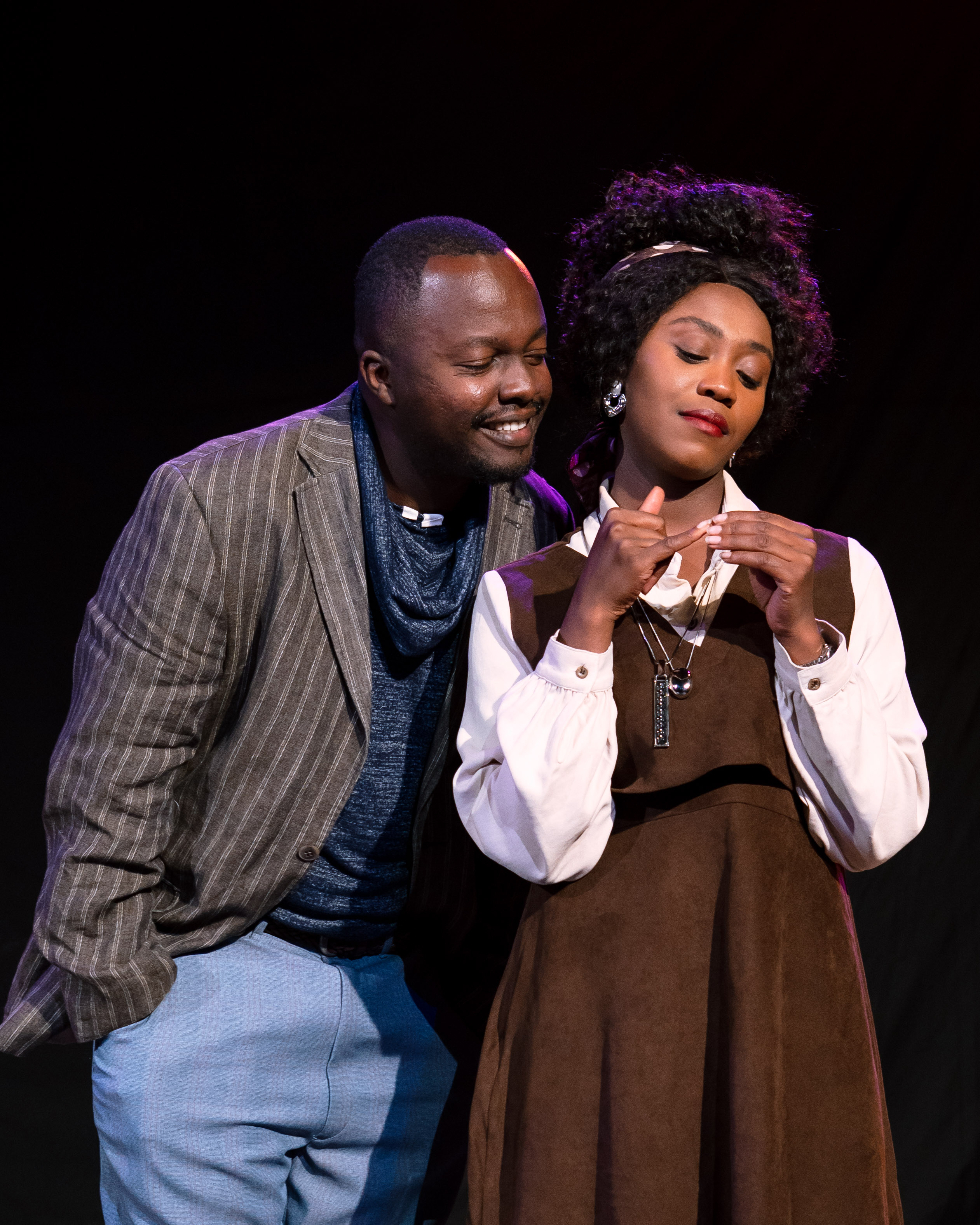
Published barely eleven years after Kenya’s independence, the novel entered a society that was undergoing rapid transformation. Women were beginning to occupy offices, secretarial pools, and professional spaces in greater numbers. Yet with that entry into the workforce came complicated negotiations of power—between ambition and vulnerability, between economic independence and social expectation.

Bill Odhiambo is a survivor of the 2016 military massacre in El Adde, which wiped out over a hundred Kenyan soldiers and left him crippled. Ostracised from the public by the Miles’ regime and forced to lead a quiet life in Busia Town, Bill suffers from post-traumatic stress disorder, constantly blaming himself for what took place in Somalia. He desires to reveal the faces and truth behind the bloodbath and find justice for himself and his fellow fallen soldiers. The UN’s claim that a survivor is under constraints by the Kenyan government breathes new life into the saga.
“But why don’t all these Kenyans, if they are so miserable, go back home?” she asked.“Pride. You have been here only a few months, and you hate it, but if I asked you to go back, would you?”“Of course not,” she said curtly. “Europe may not be all that, but it is better than being stuck in Mukuru kwa Reuben. At least now, I can send my mother enough money to get her off the daily, punishing market grind.”It was hard to explain how she could hate London so much, yet have no desire to return home. It was like refusing to walk out on an abusive relationship.
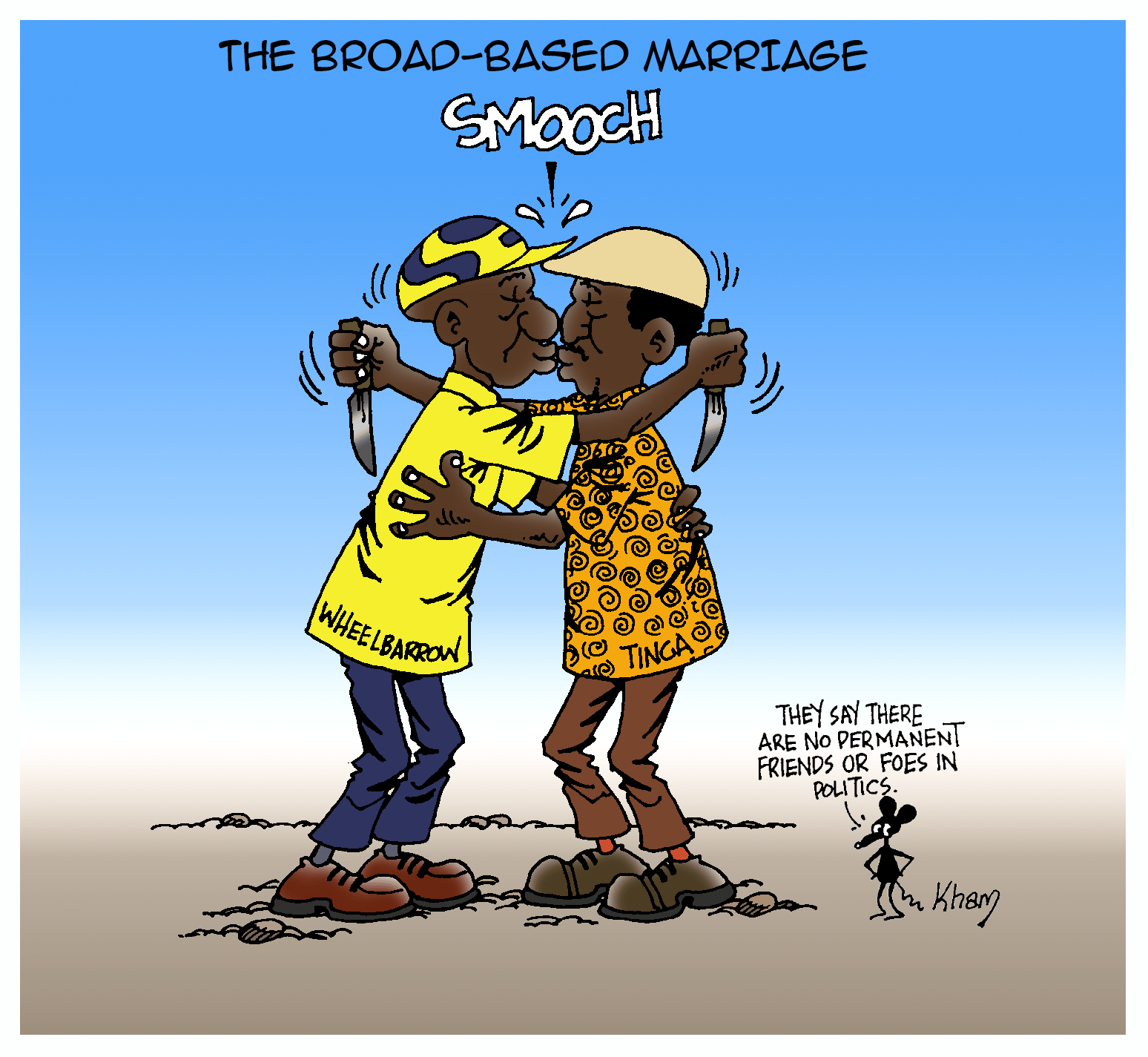
Strangely, William Ruto, a political fox if there was one, missed the lesson. Against advice, he bypassed his Tom Hagen, Prof Kithure Kindiki, for Rigathi Gachagua – a Santino with a fist – as running mate.
