
Latest Article

Women are the ones doing the work, so why are they not involved in determining who gets to lead?
Writing in My Life on the Road, Gloria Steinem reflected on the cost of this uneven distribution of opportunity, saying she was “angry about the human talent that was lost just because it was born into a female body, and the mediocrity that was rewarded because it was born into a male one.” It is a particularly useful way of thinking about the leadership gap because what is lost is not simply a woman's promotion or a seat at a table. It is the talent an institution may never discover because it did not give that person the opportunity to exercise authority in the first place.
Filter
It was a job at the reception, in a company that sold land. Nothing to do with what she had spent too much of Mr Muthama’s money studying. She hated the job on the first day, and every day after that. Within a couple of months, she started to seriously consider leaving the country. To America. So she started saving money for a passport, for a visa application, to improve her bank account.She had been ill-equipped for the interview, and it had taken the immigration officer at the American Embassy less than a minute to decide she was a flight risk.A friend had advised her to get another passport under a different name, which she did with no qualms once she realised she would not be the first, nor the last. Biometric technology had not made a global mark, 9/11 had not happened, thus the world was not as suspicious.
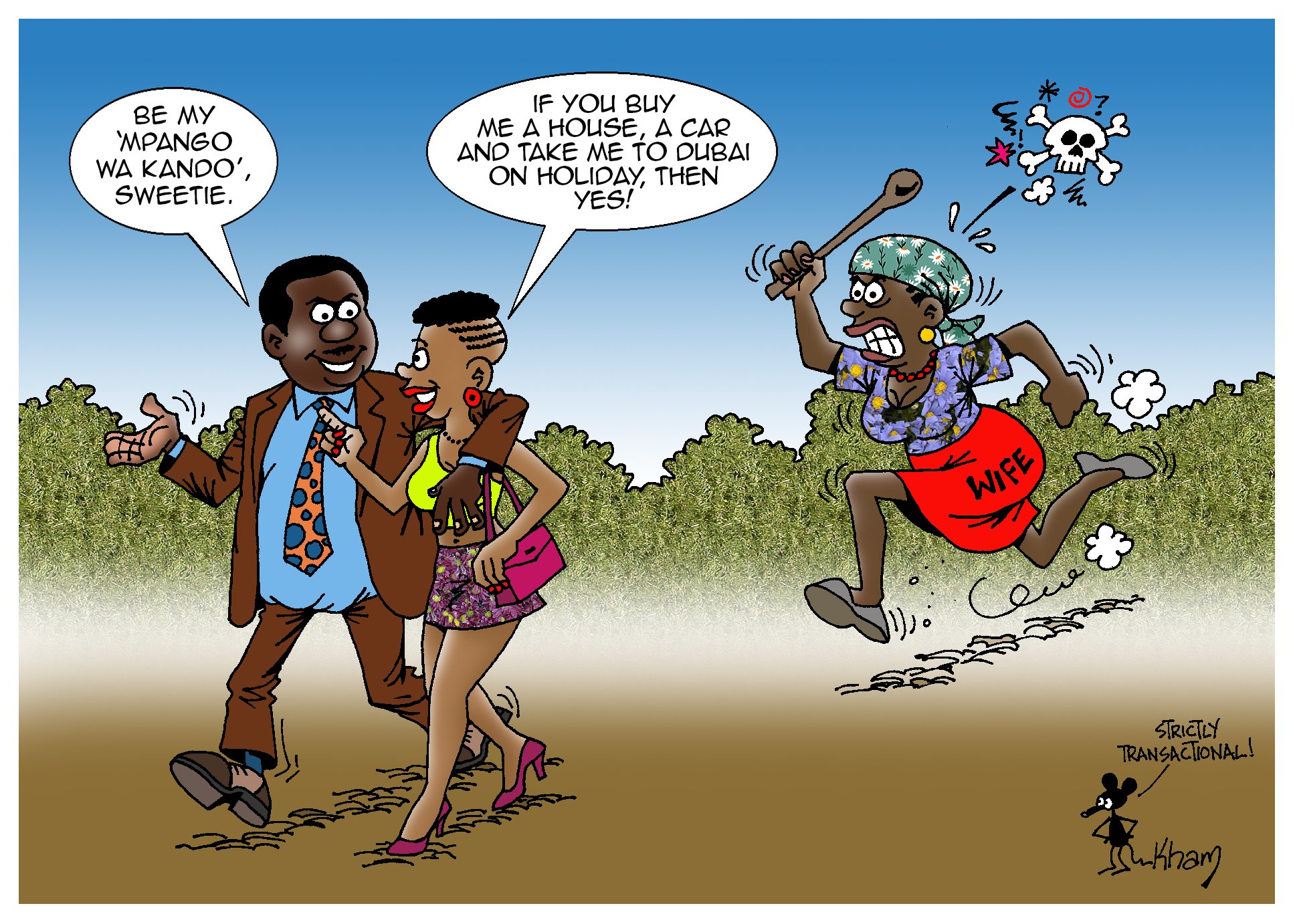
If some men were honest about their desire to maintain multiple relationships, would the betrayal wound feel less deeply when discovered? Or would such honesty simply expose how fragile many marriages already are? But then there is an even more complicated question beneath that one. Who are the women who choose to remain in marriages where respect has clearly eroded? Is it love? Shared history? Children? Economic reality? Social expectation? Or is the title of Mrs. so powerful that many would rather remain married than confront the humiliation of walking away?
In September, I wouldn’t be going to City Hall as the new legislative councillor from Nairobi West, but to the “Twin Towers” of Kimathi Street as the new arts editor of the Weekly Review magazine. On Sunday, I would pay Danny Boy and his crew to undo everything we had done over the past couple of months—take posters off the street walls, get the banners off the roads, and so on. In short, I would be doing “the Lord’s work” in the eyes of my rivals, some of whom had already been doing it for themselves (Satan also helps those who help themselves, as I have come to learn in this lifetime).But first, I had one last commitment to keep.
Esther had been told, now and then, that she had a beautiful smile, but it was not often that she found a reason to smile. As she looked at her passport, she knew that not only had Lady Luck smiled upon her, she had, for good measure, also thrown in a happy giggle. In her little palms, she held her passage to the United Kingdom – wealth and good life were beckoning. She thought about how it would be like to not live in poverty, which had stalked her life like a shadow. It was the same poverty that had stalked generations before her.
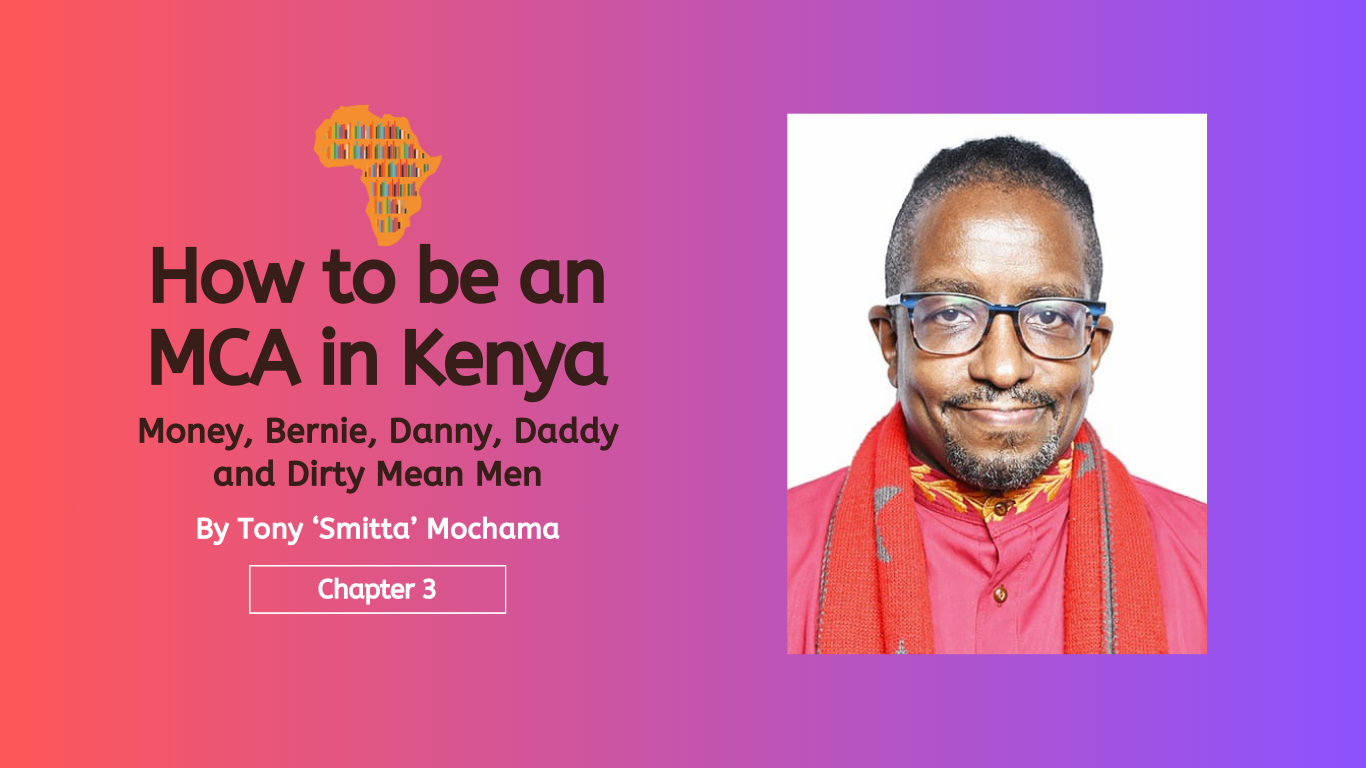
The first item on the menu for any politician, big or small, is printing costs: posters, flyers, banners, caps, T-shirts, and even motorcycle reflector jackets for the boda-boda riders so they recognize your name early. I will tell you more about the posters and reflectors—the tortuous processes and the “colourful” characters and low-down weasels who inhabit these spaces—in the next chapter. Suffice it to say that, thanks to a Communist Party comrade, I was able to find a good man called Maxwell deep in the bowels of River Road. In his dusty, third-floor office with a window facing smoggy skies, we bargained for posters, flyers, and banners for Ksh85,046.
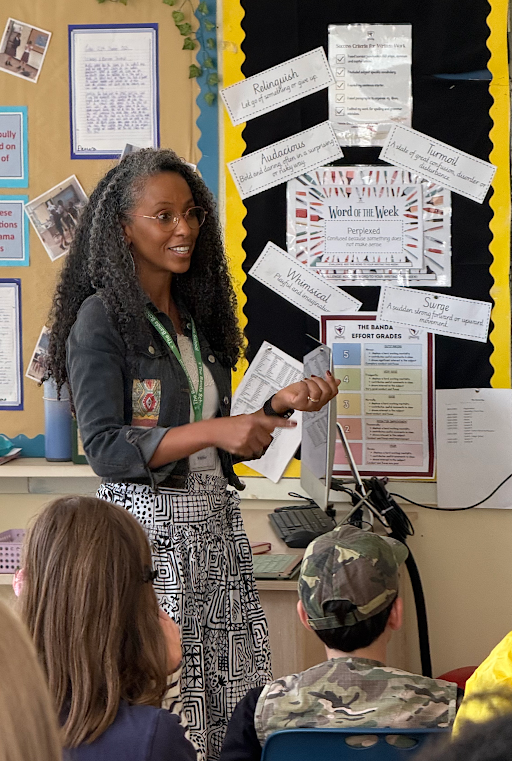
The goal of the Banda Book Day celebration was to connect pupils with children’s authors, encourage reading for pleasure, and help young people tap into their own creative potential.
