
Latest Article

Women are the ones doing the work, so why are they not involved in determining who gets to lead?
Writing in My Life on the Road, Gloria Steinem reflected on the cost of this uneven distribution of opportunity, saying she was “angry about the human talent that was lost just because it was born into a female body, and the mediocrity that was rewarded because it was born into a male one.” It is a particularly useful way of thinking about the leadership gap because what is lost is not simply a woman's promotion or a seat at a table. It is the talent an institution may never discover because it did not give that person the opportunity to exercise authority in the first place.
Filter
Perhaps, after all, he had been in love with her despite her loose life. Such a beautiful woman, he lamented. Her voice haunted him, Oh Jona, you’re such a wonderful man Jona, you know your job, she cried whenever they were making love. Unfortunately, Anita had a mysterious character named Maruka who “kept” her. Perhaps, after the bitter incident that nearly cost Kinama his life, Maruka had decided to hide Anita in a secret place. Or perhaps he had murdered her; he was the kind of man who would murder a woman if provoked seriously
Now I have become a man, he thought. Dear Eve, where is that Ema now so we can play darts together? But his mind could not dwell on one thought for a minute anymore. Why should he waste his time thinking about a woman who could as well be somebody’s wife? With that thought, he started walking automatically, yet hunting with his eyes… or just waiting for the right thought. A pretty, small girl with round features passed by him fast, sounding her heels on the pavement. He thought she walked elegantly and seductively. What about her? He was thinking about her when he collided with a man shoulder-to-shoulder.
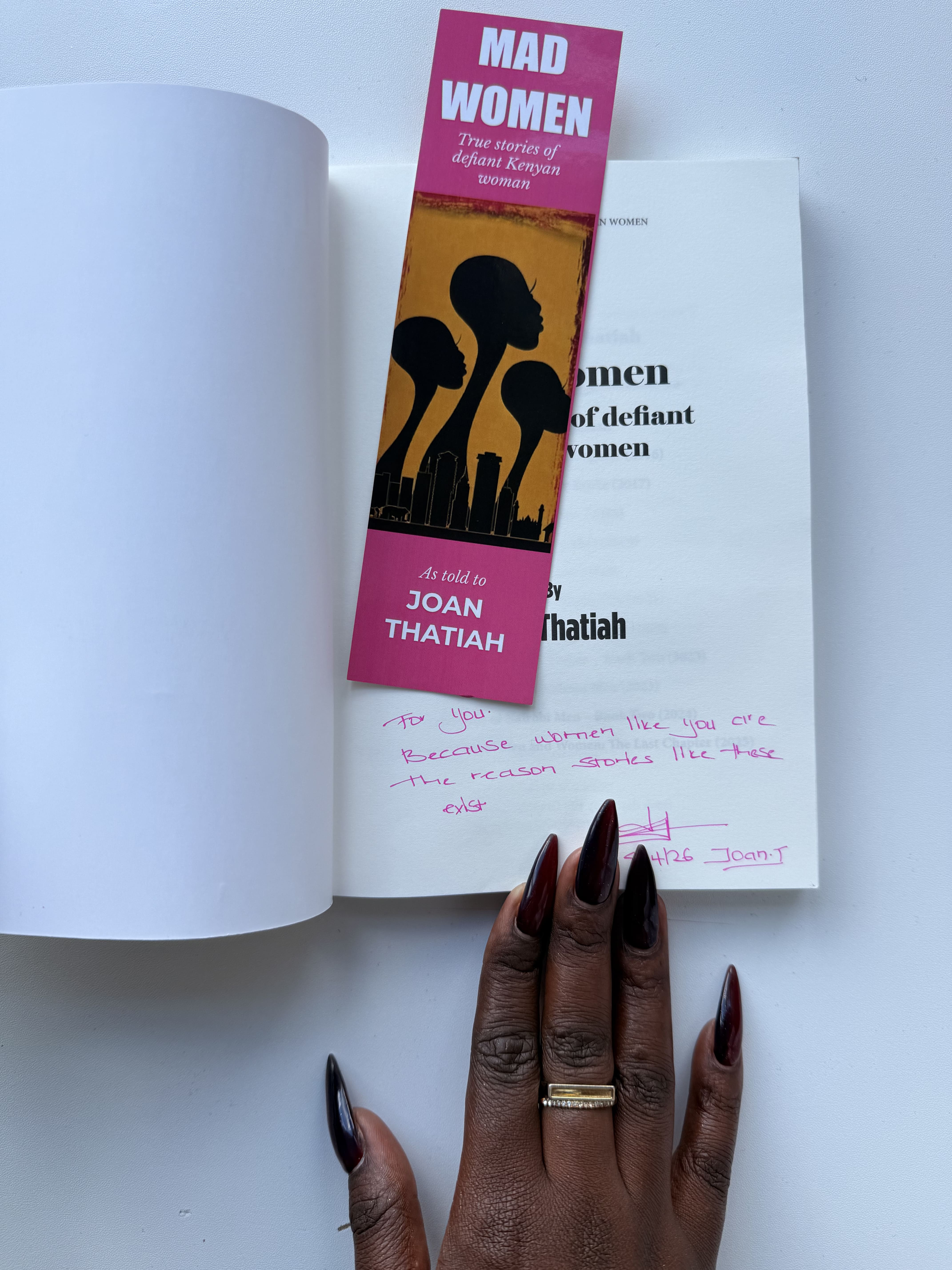
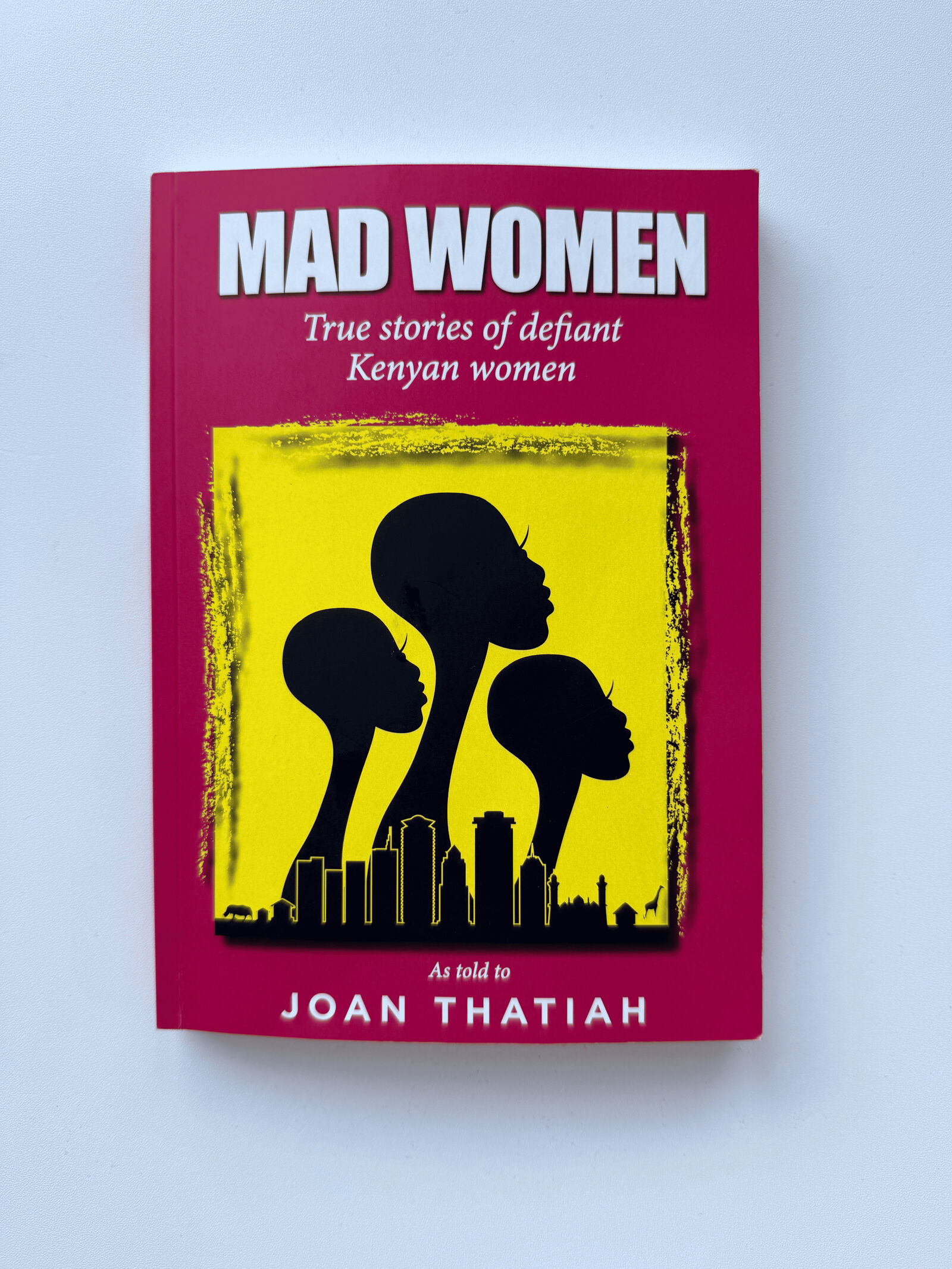
Last week, while writing about Joan Thatiah’s Mad Women, I returned again and again to Zawadi, a young woman whose life ends after a clandestine abortion in a residential apartment. This week, reality has caught up with literature. The Court of Appeal in Kenya has overturned the 2022 High Court decision that had recognised access to abortion under limited constitutional circumstances, holding instead that abortion is not a standalone fundamental right under the Constitution of Kenya 2010.
These are not just stories, they are recognisable and lived realities. The topic of abortion remains a hushed one spoken in codes and euphemisms on platforms like TikTok, where creators, anonymous or not, refer to pregnancy as “the stranger in my womb”, quietly building communities of support for women navigating impossible choices.

The CS Interior had termed the exercise an internal affair, which was still at a premature stage, and claimed that bringing the matter to light would only help fan flames of malevolence from the rest of Kenyans.
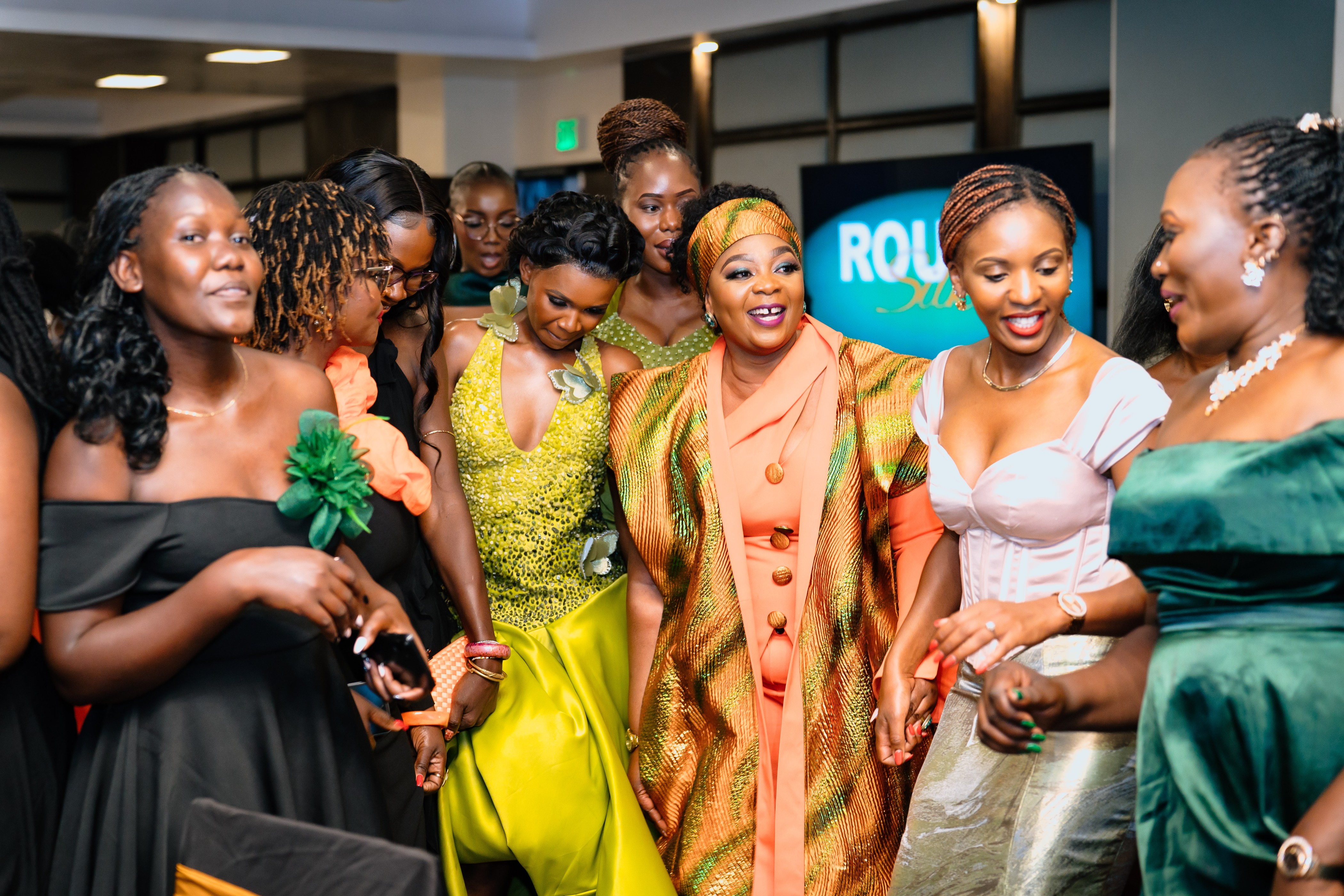
In a region where loss, resilience, and survival are tightly interwoven, stories such as Rough Silk carry a particular weight. They speak not only to personal journeys, but to collective histories shaped by adversity.
